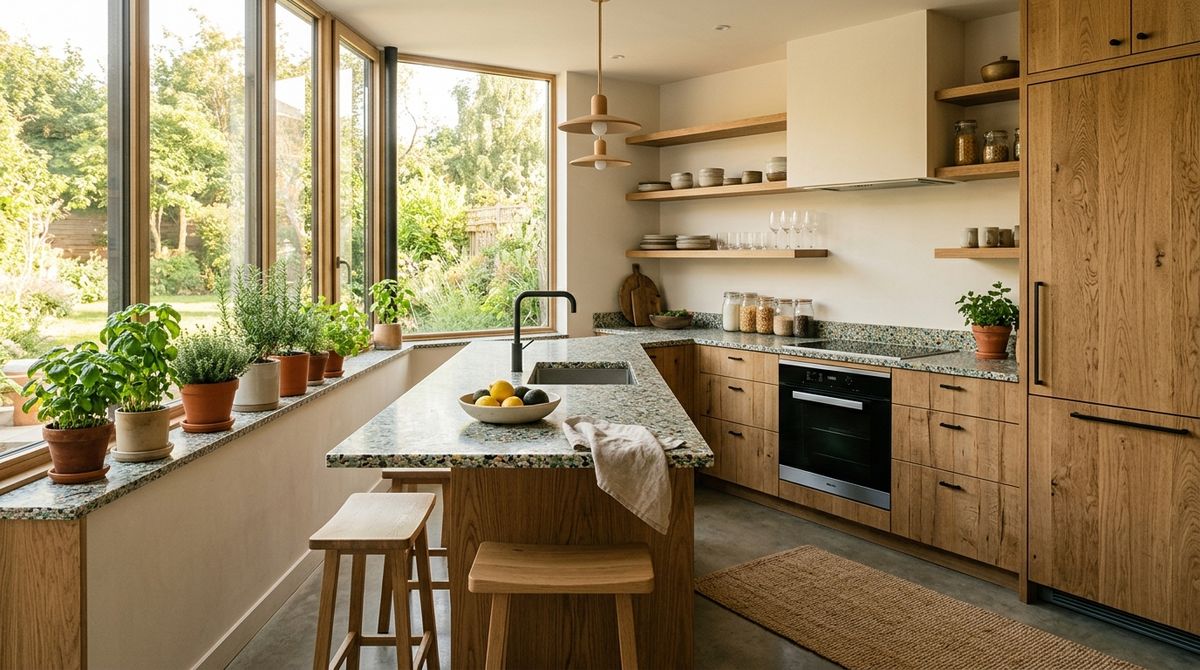
Cooking is often viewed as a creative outlet, a way to nourish ourselves, and a method for bringing loved ones together. However, viewing your kitchen through a more deliberate lens can transform your relationship with food, turning it into a practice that balances artistic expression with practical management. When you approach your culinary efforts with intention, you create a space that is not only productive but also sustainable for the long term. This approach involves more than just selecting recipes; it requires a deep dive into how you organize your space, manage your resources, and evaluate your time spent at the stove.
Setting Up for Long-Term Culinary Success
Creating a functional foundation in your kitchen begins with understanding your goals. Whether you are aiming to simplify daily meals, experiment with complex techniques, or prepare food for others, a clear vision helps you avoid unnecessary expenditures and clutter. Many cooks find that by refining their approach and focusing on essential skills, they can achieve better outcomes with fewer resources.
Consistency is key to establishing a rhythm that minimizes waste and maximizes efficiency. Start by evaluating your current habits and identifying where effort is being duplicated. Consider the time you spend on meal preparation, the tools you frequently use, and the techniques you want to master. By focusing your efforts on these core areas, you create a structure that allows for steady improvement. For those who find themselves deeply invested in these processes, there are many ways to turn your cooking hobby profitable, allowing you to share your skills more broadly while maintaining your personal standards and quality.
Smart Sourcing and Kitchen Resource Management
A mindful kitchen starts with how you acquire your ingredients. Conscious sourcing does not always mean buying the most expensive items; rather, it involves finding value through informed decisions. Understanding where your ingredients come from and learning about their seasonality can lead to better flavors and a more manageable food budget. By being aware of your needs before you head to the store, you can avoid impulse buys that often go to waste and undermine your budgetary goals.
There are numerous resources available that offer strategies for managing your resources effectively. Exploring these options can provide fresh perspectives on how to handle your household budget in relation to your culinary needs. Websites like Wow Golds often provide practical insights and tips that can help you find creative ways to manage your money efficiently, which is a useful skill when you are trying to maintain a high-quality kitchen on a consistent basis. Managing your resources well ensures that you have the flexibility to invest in the ingredients that truly make a difference in your cooking while keeping your overall expenses in check.
Essential Practices for Ingredient Longevity
- Store dry goods in clear, airtight containers to maintain freshness and make inventory easier to track.
- Label everything with the date of purchase or preparation to ensure you use items in the correct order.
- Keep a running list of staples to prevent over-purchasing and to identify patterns in your consumption over time.
- Plan meals around items that are already in your pantry to minimize the need for extra trips to the store and reduce food waste.
Structuring Your Kitchen for Efficiency and Growth
Efficiency in the kitchen is often the result of careful organization and a clear understanding of your workspace. A cluttered kitchen can hinder your creativity and lead to unnecessary stress, while a well-organized space allows you to work with focus and precision. Think about the flow of your kitchen—how you move from the pantry to the prep area and finally to the cooking surface. Every movement should feel deliberate and streamlined, minimizing the effort required to prepare even the simplest meals.
Investing time in organizing your tools and ingredients is not just a one-time task; it is an ongoing process of refinement. When you know exactly where everything is, you save time and energy, which you can then redirect into refining your recipes or experimenting with new flavors. A well-structured kitchen is not about having the most expensive gadgets; it is about having the right tools that you actually use and maintaining them properly so they last for many years of daily use.
Understanding the Economics of Your Cooking
As you become more advanced in your cooking, you might begin to consider the economic aspects of your culinary projects more seriously. Even if you are not running a formal business, treating your cooking with a sense of financial awareness can help you manage your resources better and potentially expand your scope. Understanding basic concepts of cost management, supply chains, and planning can empower you to make smarter choices in the kitchen, ensuring that your passion remains a sustainable endeavor.

For those looking to deepen their understanding of these practical, logistical sides of their projects, platforms such as usacommercedaily.com offer valuable insights that can be applied to many different aspects of household management and project planning. By taking the time to learn these concepts, you can develop a more sophisticated approach to how you allocate your time, energy, and money, ensuring your passion for cooking remains sustainable and enjoyable over the long term without compromising the quality of your output.
Key Considerations for Economic Awareness
- Assess the true cost of the meals you prepare by considering the time and energy involved, not just the raw ingredients.
- Look for opportunities to reduce overhead by optimizing how you store and use ingredients to ensure minimal waste.
- Document your successes and areas where you can improve, using this information to plan your future culinary efforts with greater accuracy.
- Stay informed about general principles of resource management that can be applied to any endeavor, including your daily kitchen projects.
The Value of Sustainable Culinary Practices
Ultimately, a mindful kitchen is a sustainable kitchen. This sustainability extends beyond the ingredients themselves to include your own energy, time, and enthusiasm. By managing your kitchen operations with care, you avoid burnout and ensure that your passion for cooking continues to thrive. A sustainable practice is one that you can maintain over time, bringing you joy and satisfaction without becoming a source of stress or financial concern.
By integrating practical management skills into your culinary routine, you build a foundation that supports your growth. Whether you are simply looking to improve your daily meals or considering taking your cooking to the next level, the principles of mindfulness, efficiency, and resource management will serve you well. Your kitchen can become a place where creativity meets practicality, and where your love for food is nurtured by careful, deliberate action that sustains both your culinary output and your personal well-being.