Many home cooks find that their love for creating delicious meals naturally extends beyond the kitchen table. When you find yourself frequently preparing dishes that earn praise from friends and family, the thought of turning that passion into a more structured endeavor often arises. Whether you are considering selling artisanal baked goods, offering meal prep services, or sharing your kitchen techniques with others, moving from casual cooking to a side venture is an exciting step that requires careful planning and a shift in perspective. It involves more than just great flavors; it requires a commitment to consistency, organization, and a practical approach to managing your time and resources effectively.
Defining Your Unique Culinary Niche
The first step in exploring this path is to identify exactly what you want to offer. Your home kitchen is a space of comfort, but when you look to share your creations, you need to focus on what you do exceptionally well. A clear niche helps you stand out and ensures that you are not trying to do everything at once. Think about the dishes you cook most often or the ones that consistently receive the best feedback. Is it a particular type of bread, a specialized dessert, or perhaps a series of healthy, balanced meals designed for busy families?
Once you have identified your strength, consider the practical aspects of production. Can the dish be prepared in larger quantities without sacrificing quality? Does it travel well, or must it be consumed immediately? Understanding the limitations and strengths of your chosen niche allows you to develop a focused plan. It is often helpful to start small, testing your concept with a limited audience before attempting to reach a wider base. This allows you to refine your recipes and processes, ensuring that your final product is reliable and consistent every time.
Setting Up a Sustainable Kitchen Workflow
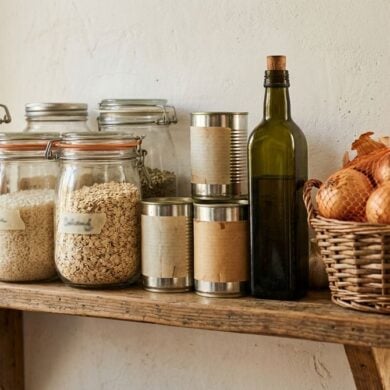
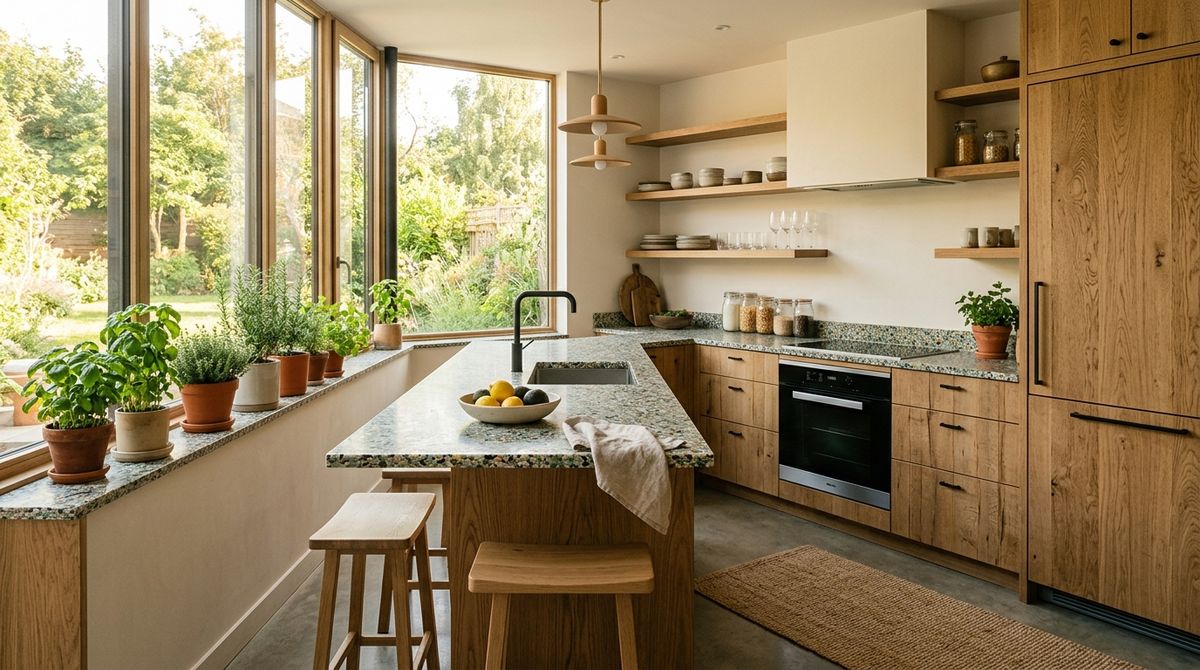
Transitioning to a more structured way of cooking requires a well-organized environment. Your kitchen workflow should be optimized for efficiency, ensuring that you can produce your items without feeling overwhelmed or cluttered. This might mean reorganizing your pantry, refining your prep schedule, or acquiring specialized tools that save time and effort. As you refine your setup, you might recall our tips on investing in high-quality kitchen gear to improve your daily consistency and produce better results over time.
Maintaining a clean and safe environment is paramount when you are producing food for others. Develop a routine that emphasizes food safety, proper storage, and organized documentation of your ingredients and processes. This not only keeps your kitchen functional but also helps you maintain quality control. A structured routine ensures that you spend less time searching for items or cleaning up messes, allowing you to focus entirely on the culinary task at hand. Consistency in your workflow is the foundation of any successful food-related venture, helping you to deliver excellence even when you are busy or working under pressure.
Managing Finances for Your Food Venture
Any endeavor involving the production and exchange of food should be handled with a professional mindset, especially regarding finances. It is easy to blur the lines between personal household expenses and the costs associated with your new project, but keeping these separate is crucial for understanding the true nature of your venture. Track your ingredient costs, packaging, and any other supplies carefully to understand what is being invested. This clarity is essential for making informed decisions about your future activities.
It is important to treat this as a serious endeavor, and consulting experts through resources like extramoneyinfo.net can provide valuable perspective on structuring your business operations. Understanding the fundamentals of managing your resources allows you to focus on growth rather than reacting to financial surprises. Start by creating a simple system to track your expenditures and any income generated. This doesn’t have to be complex, but it must be consistent. Having a clear view of your financial health helps you determine whether your current approach is sustainable and where adjustments might be needed to achieve your goals without putting undue strain on your household budget.
Navigating Growth and Scaling Your Efforts
As you gain momentum and your culinary projects begin to draw interest, the challenge shifts to scaling your efforts without sacrificing quality. This is a critical juncture where many people feel the pressure of balancing their love for cooking with the demands of an increasing workload. Scaling does not necessarily mean producing more volume; it can also mean improving your process to become more efficient. You might find that you need to streamline your recipe preparation or refine your packaging to handle larger orders more smoothly.


Maintaining financial discipline is crucial as you grow, and resources like Blog Money 4 U offer practical advice on managing your budget and keeping your finances orderly as your hobby evolves. Navigating this phase requires patience and a willingness to adjust your approach based on what you learn. Consider these practical steps to help you manage growth:
- Monitor your time to identify the most time-consuming steps in your preparation process.
- Look for ways to streamline or automate repetitive tasks, such as ingredient procurement.
- Gather honest feedback from those who try your products to understand what they value most.
- Stay organized with a calendar to manage orders and preparation times effectively.
- Ensure that you are not overextending yourself and that the process remains enjoyable.
Balancing Creativity With Commercial Reality
The most important element of this journey is ensuring that you do not lose your love for cooking in the process. It is easy to get caught up in the logistics and the pressure to produce, forgetting that your initial motivation was a genuine passion for food. Remember to set aside time to cook purely for yourself and your loved ones, without any pressure to perform or produce. This helps keep your creative spirit alive and reminds you why you started this in the first place.
Finding the right balance between the creative, enjoyable side of cooking and the practical, commercial reality is an ongoing process. It requires regular reflection and the willingness to pivot when something is not working. If a particular aspect of your venture starts to feel like a burden, don’t be afraid to step back and re-evaluate. The goal is to create a sustainable activity that adds value to your life, not one that consumes it entirely. By maintaining a focus on your personal enjoyment while applying careful planning to the business side of your efforts, you can build something that is both rewarding and financially sustainable, allowing your culinary passion to flourish for a long time.