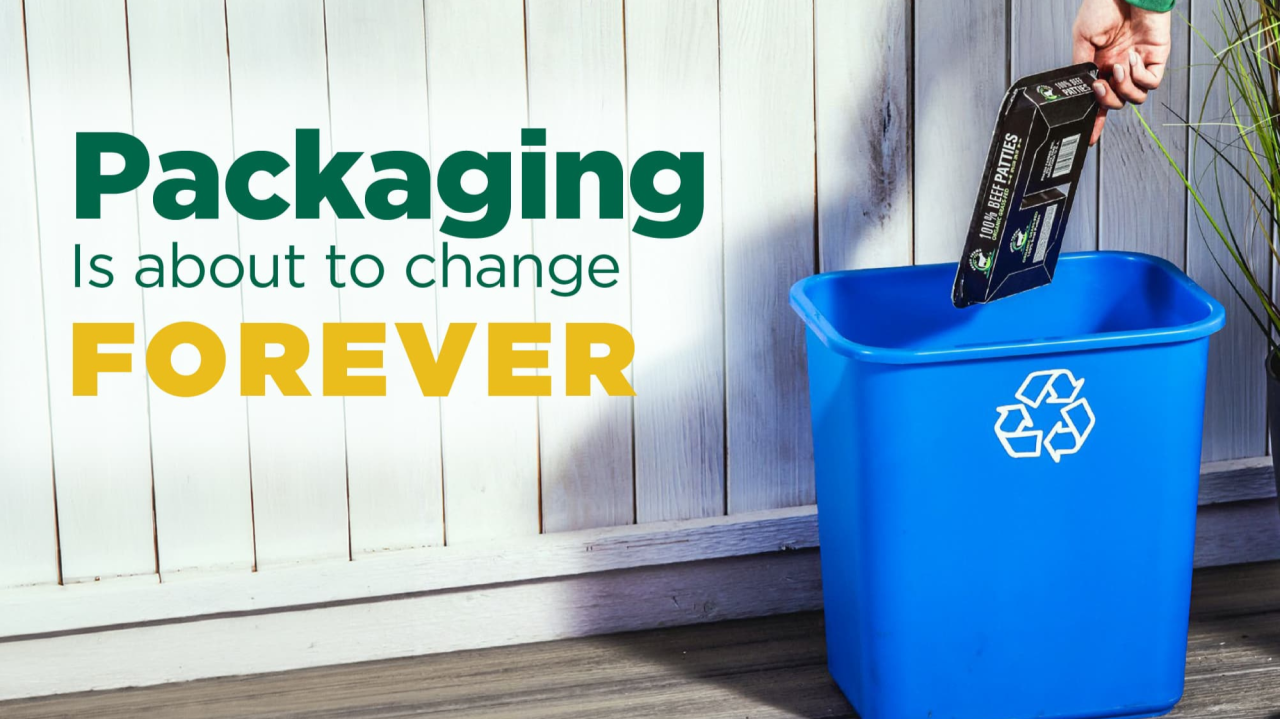
The future for packaging and recycling is shifting, the EU is adding new rules and regulations to their packaging systems, to help support a more sustainable future. By 2035 all packaging in the European Union must be recycled at scale. The EU aims to reduce packaging waste by 15% in the year 2040. This ambitious target reflects a growing recognition of the environmental challenges posed by excessive packaging and waste, as well as a commitment to fostering a circular economy where materials are reused and recycled rather than discarded.
The DfR (Design for Recycling) grading system will help ensure material quality in recycling. Grade A will be 95% recyclable, grade B will be 80% recyclable, grade C will be 70% recyclable, and anything below 70% will be technically non-recyclable. 70% and below cannot be sold on the market starting 2030. This grading system is crucial for manufacturers and consumers alike, as it provides clear guidelines on what materials can be effectively recycled, thereby promoting responsible consumption and production practices.
In 2022 the European Commission suggested the Packaging and Packaging Waste Regulation, (PPWR for short.) This new regulation will help reduce packaging waste and improve recyclability and recycling. It also drives the use of circular materials in recycling, circular materials such as paperboard. The PPWR went into effect in 2025, marking a significant step towards a more sustainable packaging landscape in Europe. The regulation is expected to encourage innovation in packaging design, prompting companies to rethink their materials and processes to align with these new standards.
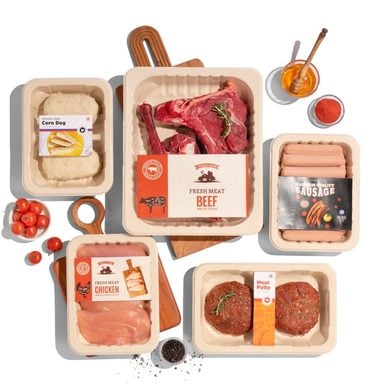
Paperboard and its unique blend of fibers allow it to be recycled up to 10 times, sometimes more. This remarkable recyclability not only conserves resources but also reduces the environmental impact associated with producing new materials. Paperboard manufactured at Graphic Packaging International is responsibly sourced and made with intention; its fibers come from wood and recycled materials. This commitment to sustainable sourcing ensures that the production process has a minimal ecological footprint, contributing positively to the environment.


Graphic Packaging International was founded in 1978 and is based in Atlanta, Georgia, United States. They own and operate paperboard mills across the states and deliver high-quality paperboard to brands worldwide. Right now, 87% of paperboard is recycled in Europe while only 42% of plastic is recycled. This stark contrast highlights the need for continued efforts in improving plastic recycling rates, as well as the importance of transitioning to more sustainable packaging solutions. Learn more at Graphic Packaging International.
As these regulations take effect, businesses will need to adapt their practices to comply with the new standards. This may involve investing in new technologies, redesigning products, or finding alternative materials that meet the recycling criteria. The shift toward sustainable packaging is not just a regulatory requirement; it is also a growing demand from consumers who are increasingly aware of environmental issues and prefer brands that demonstrate a commitment to sustainability. In this evolving landscape, companies that embrace these changes will likely gain a competitive edge, appealing to environmentally conscious consumers and contributing to a healthier planet.