Walking into a cluttered pantry where canned beans hide behind half-empty boxes of stale crackers turns nightly dinner prep into an exhausting scavenger hunt. Many home cooks assume an organized kitchen requires custom cabinetry, matching glass jars, or expensive acrylic turntables. In reality, building a calm, functional pantry comes down to clear visibility, logical grouping, and simple rotation habits that anyone can establish in a single afternoon.
For beginners setting up their first apartment kitchen or reclaiming chaotic shelves, an organized pantry saves both money and weeknight stress. When you can see every grain, spice, and canned staple at a glance, you stop accidentally buying duplicate jars of cumin and start cooking delicious meals from ingredients already on hand. Taking a methodical, room-by-room approach transforms pantry shelves into your favorite cooking ally.
Clearing Out and Grouping Ingredients by Cooking Purpose
Every successful pantry overhaul starts by emptying shelves completely onto the kitchen counter so you can wipe down surfaces and inspect what you actually own. Checking expiration dates honestly lets you compost stale spices, discard expired baking powder, and set aside unopened, unexpired items you never use for a local food pantry donation. Seeing everything spread out in daylight immediately reveals hidden duplicates and forgotten ingredients.
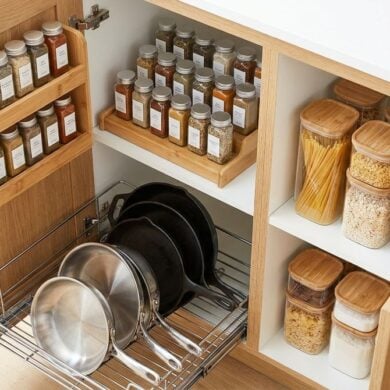
Rather than organizing purely by package shape or container height, group items together based on how you naturally cook meals. Keeping baking essentials like flour, sugar, baking soda, and vanilla extract in one dedicated zone means everything needed for weekend pancakes sits within arm’s reach. Readers may also want to visit bareto.net.
Placing heavier jars and bulk bottles on lower shelves while keeping lightweight boxes and daily breakfast items at eye level makes reaching safe and comfortable for every household member.
Choosing Practical Containers and Clear Labels
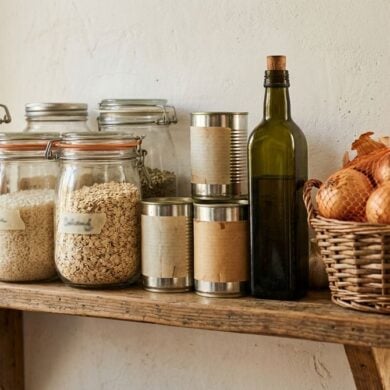
Transferring frequently used dry goods—such as rice, rolled oats, lentils, pasta, and all-purpose flour—into airtight canisters protects freshness and prevents pantry pests. Square or rectangular containers maximize shelf depth far better than round jars that waste valuable corner space between rows. However, beginners do not need to decant every single box of crackers or bag of chips if original packaging already seals cleanly.
Applying simple, legible labels showing both the ingredient name and the original package expiration date removes guesswork months later. Plain masking tape and a permanent marker work just as effectively as fancy printed decals and peel off cleanly when contents change. You can also visit 24Thoughts for more reading.
Using shallow wire baskets or repurposed cardboard boxes to corral small spice packets, soup pouches, and snack bars stops tiny items from tumbling backward out of sight.
Practicing Smart Rotation and Inventory Habits
A tidy pantry stays organized only when paired with a simple restocking habit that prevents clutter from creeping back in. Adopting the classic restaurant rule—first in, first out—means placing newly purchased cans behind older ones already sitting on the shelf. This tiny five-second habit ensures nothing gets pushed to the back corner to expire unnoticed.
Keeping a small magnetic notepad or dry-erase list right inside the pantry door lets anyone in the household jot down olive oil, soy sauce, or black beans the moment a bottle runs low. Reviewing that quick list before heading to the grocery store prevents forgotten essentials and impulse buys. For a related read on this site, see Building Your Personal Narrative Through Home Cooking.
* Store cooking oils and vinegars in a cool, dark cabinet away from stove heat to preserve bright flavor.
* Keep an inexpensive turntable on deep corner shelves so sauces, honey, and nut butters spin easily into view.


* Schedule a quick ten-minute shelf tidy once a month before a big grocery trip to spot ingredients ready to use up.
Cooking Creative Meals From Pantry Staples
Once your shelves are clearly arranged, planning weeknight dinners becomes far less intimidating even when the refrigerator looks bare. Combining canned chickpeas, diced tomatoes, garlic, and warm spices over brown rice creates a nourishing meal in twenty minutes without a single store run. Keeping a small basket labeled “Use Soon” at eye level highlights open bags of pasta or nearing-date cans so they become tonight’s dinner inspiration.
Over time, learning your household’s true consumption rhythm helps you stock the exact staples you love without crowding shelves with unused novelty items.
Enjoying a Calm and Welcoming Kitchen
An organized pantry is never about achieving magazine-cover perfection; it is about removing daily friction so home cooking feels relaxed and inviting. When ingredients are easy to spot, neatly sealed, and logically arranged, stepping into the kitchen after a busy workday feels encouraging rather than overwhelming.
Start with a single shelf this weekend, group your favorite everyday staples together, and enjoy how smoothly your next meal comes together.