Cooking at home frequently becomes a series of routine actions designed to sustain ourselves, yet it holds the potential to be a profound act of personal storytelling. By viewing our time in the kitchen as a way to construct a narrative of who we are, we can transform simple meals into meaningful experiences that reflect our values, history, and evolving tastes. This approach elevates cooking from a chore to a creative expression, allowing the kitchen to become a place where we actively curate our own life experiences through flavor, technique, and reflection.
The Concept of Narrative Cooking
Narrative cooking begins with the understanding that every meal we prepare is an opportunity to express a specific moment or a memory. Instead of merely following recipes, you start to consider the why behind each dish. You might choose to prepare a meal because it represents a season, a transition in your life, or a specific feeling you wish to cultivate. This shift requires you to pause and reflect on the components of your cooking, moving beyond the functional requirement of hunger to the intentional act of creating something that speaks to your current state of being.
This process of building a culinary narrative allows you to develop a more authentic relationship with your food. As you experiment, you become more attuned to the nuances of ingredients and how they work together to create a cohesive whole. It is about crafting a plate that tells a story, whether that story is about comfort, discovery, or the celebration of simple ingredients found in your cupboard. By anchoring your cooking in a personal narrative, you create a deeper connection to your kitchen environment, making it a space where your identity is continuously explored and reinforced.
Cultivating Your Culinary Memories
Our memories are often tied to the tastes and smells we encounter throughout our lives. By intentionally integrating these memories into our daily cooking, we can create a powerful link to our past while still looking forward to future culinary adventures. Whether it is a flavor that reminds you of a particular place or a technique that connects you to a tradition, these elements serve as the building blocks of your personal culinary history. If you find that certain recipes carry deep emotional weight, you can explore the storytelling approach offered by Chronicules.com to better capture the extraordinary moments that define your kitchen life.
To cultivate these memories effectively, try to identify the dishes that hold the most significance for you. Take time to understand why they are important and how they have shaped your preferences. By actively incorporating these elements, you ensure that your cooking remains a reflection of your true self. This practice not only makes your time in the kitchen more enjoyable but also provides a way to preserve the stories that are most important to you, ensuring they continue to influence your culinary journey in meaningful ways.
Exploring New Perspectives
While personal history is a vital component of your culinary narrative, it is equally important to welcome new ideas and perspectives. Incorporating diverse influences into your cooking prevents your routine from becoming static and encourages ongoing growth. By seeking out different ways to think about food, you can challenge your assumptions and discover new ways to approach familiar ingredients. To find diverse ways of thinking about how ingredients function, you might look at Nova Magazine for inspiration on how different perspectives shape our understanding of everyday tasks.
Embracing a broader perspective in the kitchen involves curiosity and a willingness to step outside your comfort zone. You might experiment with different preparation methods, combine ingredients in unexpected ways, or adopt techniques from cultures that are unfamiliar to you. This openness allows your culinary narrative to become more complex and textured, reflecting an evolving understanding of the world. It is through this constant interaction between your own traditions and the wider culinary landscape that your personal style truly begins to emerge and flourish.
Organizing Your Culinary Foundation
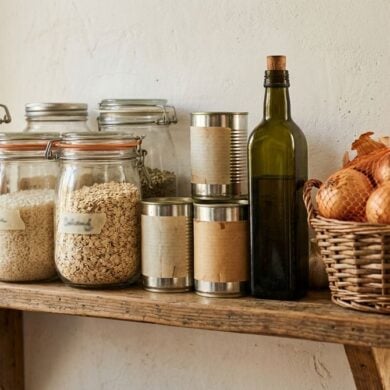
A narrative-driven approach to cooking requires a foundation that supports your creativity rather than limiting it. An organized kitchen allows you to focus on the story you are telling with your meal, rather than getting distracted by the search for ingredients or equipment. This level of organization is essential for those who wish to cook with intention and maintain the focus needed to experiment. Before you begin your narrative journey, it helps to have a reliable system for your ingredients, and these tips for mastering your culinary pantry provide a solid foundation for your daily efficiency.
Building this foundation is a gradual process that involves streamlining your space and ensuring that your pantry reflects your cooking needs. When your environment is organized, you free up the mental energy needed to be truly creative in the kitchen. This sense of order provides the stability necessary for your culinary narrative to develop, allowing you to easily access the ingredients and tools that are central to your signature dishes. By prioritizing a well-managed kitchen, you create the space for your personal story to be told with clarity and ease.

Documenting Your Culinary Path
As you build your personal narrative through cooking, finding ways to document your evolution becomes increasingly valuable. Recording the stories behind your favorite meals helps you to reflect on your progress and reminds you of the experiences that have shaped your preferences. This documentation can take many forms, from simple notes to more structured reflections on the techniques you have mastered and the ingredients that have become staples in your kitchen. Taking this step ensures that your culinary story remains a living document that you can return to at any time.
Consider these practical steps to begin documenting your culinary narrative:
- Keep a dedicated space for recording the inspirations behind the meals you prepare most frequently.
- Make note of how your preferences have shifted as you have incorporated new techniques or ingredients.
- Identify the core elements that remain consistent in your cooking, regardless of the recipes you try.
- Review your notes periodically to see how your personal narrative has evolved over the course of the seasons.
Ultimately, the goal is to make the process of cooking a deeply personal and reflective practice. By documenting your path, you create a lasting record of your culinary journey, one that highlights not just what you eat, but who you are becoming as you spend time in your kitchen. This commitment to self-reflection transforms the simple act of preparing dinner into a powerful expression of your individuality, ensuring that every meal serves as a meaningful chapter in the ongoing story of your life.