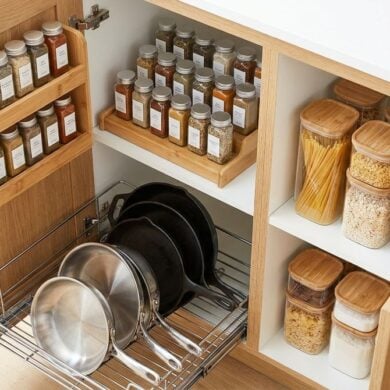
Creating an efficient kitchen environment begins with how you organize your pantry. Many home cooks struggle with cluttered shelves, leading to wasted ingredients and the frustration of not knowing what supplies are readily available. By shifting your focus toward a systematic approach, you can transform your kitchen into a streamlined space that supports your daily cooking habits rather than complicating them. The goal is to build a foundation that minimizes stress and makes preparing meals a more enjoyable part of your routine.
Assessing Your Kitchen Inventory Needs
Before making any changes, take time to evaluate what you actually need to have on hand. Many of us fall into the trap of buying items we rarely use, which eventually take up valuable space. Begin by clearing your pantry completely and categorizing your staples. Focus on essential items that you use regularly, such as grains, legumes, spices, and cooking oils. Keep these items accessible, while tucking away specialty ingredients that are only called upon for occasional recipes.
Consider the layout of your storage areas as well. It is helpful to group items by frequency of use. If you find yourself reaching for specific ingredients daily, ensure they are at eye level and easy to grab. Less frequently used items can be placed on higher shelves or in deeper storage areas. This simple adjustment improves your cooking speed and helps you maintain order throughout the week.
Organizing for Smooth Daily Cooking Flows
Once you have streamlined your inventory, focus on how these items fit into your daily workflow. The layout of your pantry should mirror the way you cook, with ingredients placed in logical proximity to your prep area. If you often bake, keep your flour, sugar, and baking powder stored together. Similarly, keep your most used spices near the stove to simplify seasoning your dishes as they cook.
Efficient kitchen management involves more than just tidy shelves; it requires understanding current trends in how we source our household supplies. Staying informed about broader logistics and industry changes can provide insights into managing your own pantry more effectively. For instance, knowing how businesses manage inventory can offer inspiration for your own home organization. You might find relevant insights on ohitsjustperfect.com, where news about various industries might change how you look at the supply chain of your own kitchen staples.
Smart Sourcing Strategies for Fresh Ingredients
Sourcing your food thoughtfully is a critical step in maintaining an efficient pantry. Instead of buying everything in bulk, consider which items you actually consume within a reasonable timeframe. Buying perishable items in large quantities often leads to waste, whereas dry goods and shelf-stable items are generally better candidates for larger purchases. This balance helps you maintain a well-stocked pantry without the burden of excessive food spoilage.
When you do shop, try to have a clear list prepared. This prevents impulse purchases and ensures that your kitchen remains stocked with the ingredients you truly enjoy and need. Be mindful of seasonal availability, as incorporating ingredients when they are at their peak freshness often results in better meals. Establishing a habit of rotating your stock, ensuring that older items are moved to the front to be used first, will also significantly reduce food waste over time.
Integrating Digital Tools into Pantry Management
Technology has made it easier than ever to keep track of what is in your kitchen. Whether you use a simple spreadsheet or a dedicated app, having a digital record of your pantry can be transformative. It allows you to check your inventory while at the store, preventing the common mistake of buying duplicate items you already have at home.
Some people enjoy staying updated on technological innovations that might eventually simplify household tasks. Keeping an eye on developments in finance and technology can help you understand the tools available to you. You can often find useful information regarding these topics at recknews.com, which covers a wide array of developments in finance and technology that could inform how you manage your own household systems.


Reducing Waste Through Better Kitchen Habits
The ultimate goal of a well-organized pantry is to minimize waste and ensure your kitchen remains a productive space. Adopting sustainable habits, such as meal planning based on what you already have, is one of the most effective ways to reduce your grocery bill and manage your kitchen more responsibly. Making a conscious effort to use what you have before purchasing new items is a powerful way to stay organized.
If you are looking for ways to maximize the value of your ingredients and manage them better, you might appreciate Essential Tips for Budget Friendly Nutrition as a resource for refining your approach. Small adjustments, such as properly storing leftovers or repurposing ingredients, can make a substantial difference in your kitchen’s overall efficiency. Consider these practical strategies:
- Label containers clearly to avoid confusion.
- Use transparent storage to see inventory levels at a glance.
- Develop a habit of conducting a quick inventory check before grocery shopping.
- Prioritize using items nearing their expiration.
Maintaining an efficient kitchen is an ongoing process rather than a final destination. Your needs will change as your cooking habits evolve, and your pantry should remain flexible enough to adapt. By regularly assessing your space and being mindful of your sourcing and consumption habits, you create a sustainable environment that supports your culinary passions. A well-organized kitchen is a place where you can focus on the joy of creating meals rather than the stress of finding ingredients.