Hosting a dinner gathering for friends or family is a wonderful way to foster connections and share a delicious meal in the comfort of your own space. Rather than focusing on grand, elaborate spectacles, many find that the most memorable evenings are those kept small and intimate, allowing for genuine conversation and a relaxed atmosphere. When you focus on simplicity and thoughtful planning, the experience becomes enjoyable not just for your guests, but for you as the host as well.
Preparing for an intimate dinner involves a series of small, manageable steps. By breaking the process down, you can create a seamless flow from the initial invitation to the final dessert. The goal is to design an evening where everyone feels comfortable, welcomed, and able to fully engage with the food and company. This process is deeply personal and allows you to showcase your culinary interests and your sense of hospitality in a very authentic way.
Planning Your Menu for Intimate Dinners
The first step in planning is choosing a menu that is both delicious and manageable for your kitchen capabilities. It is often best to select dishes that allow you to do much of the work ahead of time, ensuring you are not stuck in the kitchen while your guests are socializing. Consider starting with an appetizer that can be prepared in advance, allowing you more time to engage with your guests when they arrive.
When selecting your main course, look for recipes that are robust and can be served family-style or plated easily. Slow-cooked dishes, roasts, or hearty vegetable-forward meals are excellent choices for intimate gatherings because they often benefit from being made earlier in the day. This approach keeps your evening stress-free and focuses on the enjoyment of the shared experience.
Think about balance in your flavor profiles. If you have a rich, savory main course, consider pairing it with lighter side dishes, perhaps a crisp salad or simply prepared seasonal vegetables. Keeping the meal balanced ensures that your guests leave feeling satisfied but not overwhelmed. It is also thoughtful to check with your guests beforehand about any dietary preferences or restrictions, ensuring everyone can fully participate in the meal you have prepared.
Budgeting and Resource Management
Hosting can sometimes feel like a financial strain, but with careful planning, it remains an accessible activity. The key is to focus on quality over quantity, using fresh, seasonal items that are often more affordable and flavorful. Planning your shopping list around what is currently in season can significantly reduce costs while enhancing the quality of your dishes.
Before you begin your shopping, it is helpful to have a clear understanding of your available resources and how to manage them effectively. You might find that looking at your household budget as a whole, rather than just the cost of a single meal, provides more clarity. For those looking to manage these expenses more effectively, resources like 55 Money can offer helpful perspectives on organizing your personal finances for a better future, ensuring your social lifestyle remains sustainable.
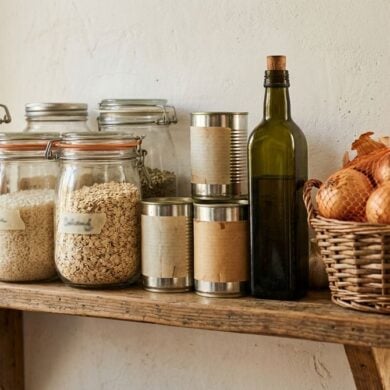
Be mindful of the pantry staples you already have. Often, you can build a wonderful menu around items that are already sitting on your shelves, such as grains, spices, or canned goods. Using what you have on hand is not only budget-friendly but also reduces the need for extra shopping trips, keeping your preparation process focused and efficient.
Preparing and Sourcing Quality Ingredients
The foundation of a truly great meal is the quality of the ingredients you choose to work with. Taking the time to source high-quality produce, proteins, and pantry staples makes a noticeable difference in the final result. When your ingredients are flavorful and fresh, you often find that you need to do very little to them to make them shine.
Local farmers markets are excellent places to find seasonal produce that is at its peak flavor. Building relationships with local food providers can also give you access to unique ingredients that you might not find in a standard supermarket. If you are looking for inspiration for your next meal or want to explore new culinary ideas, sites such as Resepna Star provide wonderful insights into good food and living well, helping you choose the finest ingredients for your home cooking.
Don’t be afraid to keep your dishes simple. When you have high-quality ingredients, techniques like roasting, steaming, or light sautéing often yield the best results. Focus on bringing out the natural flavors of each component of your dish. This approach allows the quality of your sourcing to be the star of the evening, creating a meal that is both refined and accessible.
Managing Your Time and Kitchen Workflow
One of the most important aspects of a successful gathering is effective time management. Create a timeline for your preparation, working backward from the time your guests are scheduled to arrive. This schedule should include time for grocery shopping, prepping ingredients, setting the table, and tidying your space. Breaking tasks into smaller, manageable chunks prevents you from feeling overwhelmed on the day of the gathering.
A well-organized kitchen workflow is essential. Have your mise-en-place ready before you begin the final cooking stages. This means having all your ingredients measured, chopped, and prepared in bowls or containers so they are ready to be used. This simple habit keeps your workspace clean and your cooking process smooth, allowing you to handle the final steps with ease.


If you find yourself with extra ingredients or prepared items, it is always helpful to know how to use them effectively for later meals. To make the most of your kitchen efforts and reduce food waste, you can discover smart ways to repurpose your leftover food, ensuring that nothing goes to waste and your kitchen remains efficient. Consider these simple steps to streamline your evening:
- Prepare your dessert early in the day.
- Clear and set your dining table well before guests arrive.
- Complete as much chopping and vegetable prep as possible on the day before.
- Keep your kitchen surfaces clean as you work to maintain a calm cooking environment.
Creating a Welcoming Atmosphere
The environment in which you host is just as important as the meal you serve. Lighting, music, and the way you set your table all contribute to the feeling of your gathering. Warm, dimmed lighting often creates a more intimate and comfortable space for conversation. A low-volume, curated playlist can also provide a gentle background that enhances the mood without overpowering your guests’ interactions.
Your table setting does not need to be formal or complex to be inviting. A simple, clean table with a few thoughtful touches, such as cloth napkins or a small, seasonal centerpiece, can make your guests feel special. The goal is to create a space where everyone feels encouraged to relax and stay a while.
Finally, remember that the most important element of any intimate gathering is your presence as a host. If you are relaxed and enjoying the company, your guests will likely feel the same. By preparing in advance and focusing on these small details, you set the stage for an evening that is both comfortable and deeply rewarding for everyone involved.
Hosting is a personal expression of hospitality, and every gathering is an opportunity to refine your approach. By keeping things manageable and focusing on quality, you can continue to build your confidence as a host. Each time you welcome people into your home, you gain more insight into what works best for your specific style and your space, ultimately making each gathering a little more special than the last.