A whole chicken is one of the most useful purchases a careful household can make. It can provide a roast dinner, a batch of stock, a pot of soup and a handful of lunches, all from a single bird. The approach depends less on skill than on order: cook in the right sequence, save the scraps and store each part properly. This guide walks through the process step by step, from the first carving to the last bowl of soup.
Start with a plan for the bird
Before cooking, decide how the chicken will be used across the week. Some households roast it on the first evening, use the meat cold in sandwiches or salads the next day, and make stock from the carcass afterward. Others prefer to cook the whole bird slowly for a soup and portion the meat into several lunches. Either approach works well, provided the plan is clear from the start.
A plan also helps decide what to buy alongside the chicken. Vegetables, rice or potatoes, and a loaf of bread can stretch the meal further without making it complicated. Keeping a few spices and a jar of mustard in the cupboard allows the same bird to taste very different across the week.
Roast the first meal well
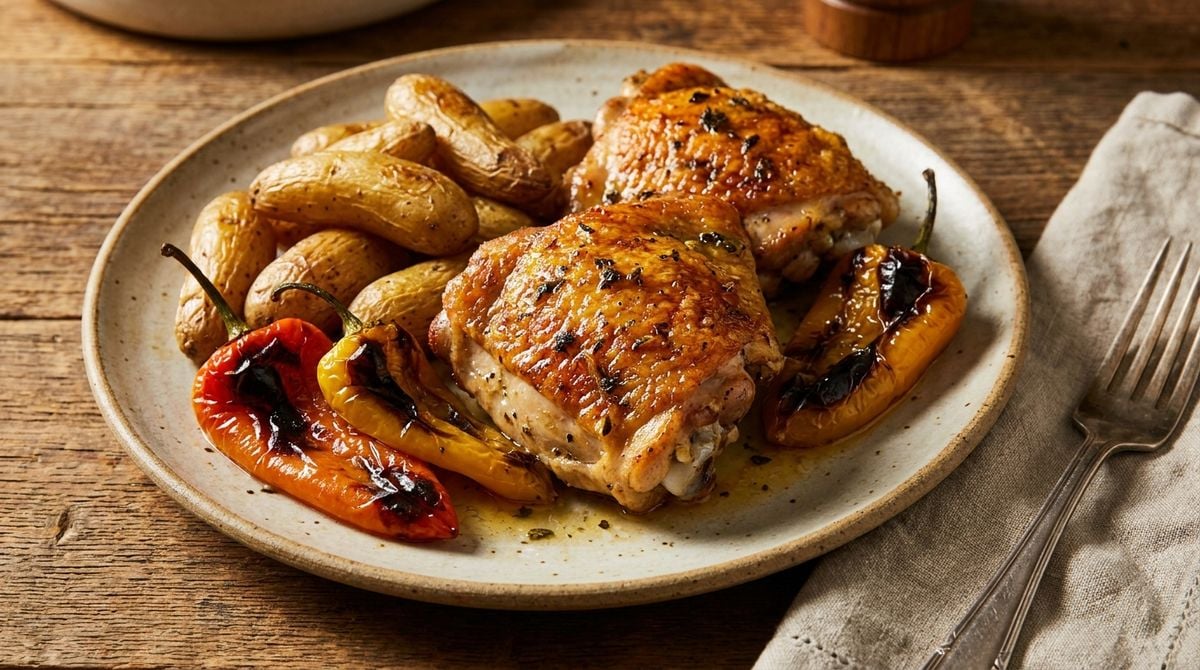
Roasting the chicken on the first evening gives the household a satisfying meal and a good supply of meat. Season the skin with salt and herbs, place it on a tray with a few vegetables and cook it until the juices run clear and the meat is no longer pink near the bone. A food thermometer is the most reliable way to check doneness, and a qualified food safety resource can confirm the right temperature for poultry.
Let the bird rest for a few minutes before carving, which keeps the meat juicy. Carve the meat from the breasts, thighs and legs, and place it in a covered container. Anything left on the carcass should be kept for stock, while the rest of the meat is set aside for later meals. Readers may also want to visit venturecake.com.
Use the leftover meat sensibly
Cooked chicken keeps for a short time in the fridge, so it is best to plan its use within a couple of days. Sandwiches, wraps, rice bowls and salads all work well and require little extra effort. Shredded chicken can be added to pasta with a spoonful of mustard, or mixed into a simple soup with any vegetables that need using. You can also visit columnews.com for more reading.
Portions that will not be eaten soon should be frozen in labeled containers. Frozen chicken is useful later in the month, when a quick and filling dinner is needed. Writing the date on each package prevents confusion and makes it easy to use the oldest portions first.
- Cool the carcass and remove the meat before storing the bones
- Place the bones in a pot with water, an onion, a carrot and a few herbs
- Simmer gently rather than boiling hard, and skim off any foam
- Strain the stock and cool it quickly in shallow containers
- Refrigerate the stock and use it within a few days, or freeze it in small portions
- Discard any leftover stock that smells off or has changed color


Make stock and soup from the bones
The carcass is the secret of the whole approach. Simmering it slowly in water with a few vegetables produces a flavorful stock that can be used as the base for soups, rice dishes and sauces. Adding a splash of vinegar can help draw more flavor from the bones, and skimming the surface keeps the liquid clear. This is where the bird truly stretches, because a single carcass can make far more liquid than a roasting tray could ever hold.
Once the stock is ready, add vegetables, pulses or grains and a little of the saved meat to create a hearty soup. A pot like this often becomes the most valuable meal of the week, since it uses ingredients that might otherwise be thrown away. For a related read on this site, see Bringing Global Flavors to Your Table Through World.
Know when to stop
Not every part of the chicken should be kept for long. Meat that has been stored for several days, or stock that has been left out at room temperature, should be discarded rather than risked. Trust the sense of smell and the appearance of the food, and remember that the purpose of this approach is to save money and reduce waste, not to push food beyond its safe life. A simple rule is to freeze anything that will not be used within a short time.
Stretching a chicken is ultimately about order and attention. Roast the bird well, save the scraps, make a stock and plan the leftovers before the week begins. This steady routine turns one purchase into several meals without any special equipment, and it often becomes one of the most dependable habits in a careful kitchen.