Fresh herbs are one of the most rewarding things to grow on a balcony. A few pots can supply a kitchen with basil, parsley, mint and chives, and a snip from a plant can lift a simple meal in seconds. Narrow balconies make the job harder, but not impossible. The key is choosing the right containers, the right plants and a simple layout that uses rails and walls. This article describes a practical way to set up a small herb trio, explains how to care for each plant and points out a few mistakes to avoid. Everything here is general guidance for home cooks who want a small, reliable supply.
Choose containers that suit the space
Start with the containers. Narrow balconies benefit from slim planters that hang from a rail or sit on a shelf without blocking the walkway. Look for pots with drainage holes, since standing water is one of the most common reasons herbs fail. Terracotta dries out quickly, which can be helpful for Mediterranean herbs but stressful for mint. Plastic and glazed ceramic hold moisture for longer. Choose a size that gives roots room to spread, but avoid pots so large that the soil stays wet for days.
Consider weight, too. A pot filled with wet soil can be surprisingly heavy, so check that the rail or railing can take the load. If you are unsure, use lighter containers and a lightweight potting mix.
Pick a trio that works together
Three herbs with similar needs make the easiest group. Basil loves warmth and sun and dislikes cold nights. Parsley is more patient and tolerates partial shade. Chives are hardy and forgiving. Mint is enthusiastic and can take over, so it is best kept in its own container. A simple trio might be basil, parsley and chives, with mint in a separate pot at the end of the rail. Plant each in fresh potting mix, label the containers and place the most light-hungry herb where it gets the most sun. Useful points to remember include these:
- Basil needs warmth, shelter from wind and regular picking to stay bushy.
- Parsley germinates slowly, so buying a young plant saves time.
- Chives can be divided every few years to keep them productive.
- Mint should always have its own pot, because its roots spread aggressively.
- All herbs prefer soil that drains well and never sits in water.
Water and feed with a steady routine
Most herb problems on balconies come from irregular watering. Containers dry out faster than garden beds, especially in wind or strong sun. Check the soil with a finger each morning. If the top layer feels dry, water until it runs freely from the base, then empty any saucer. Avoid soaking the leaves in the evening, which can encourage disease. For feeding, a light liquid fertiliser every few weeks during active growth is usually enough. Readers may also want to visit AnswerPrime.
Watch the plants rather than the calendar. Pale leaves may need feeding, while lush, floppy growth can mean too much feed or too little light. Adjust gently and keep notes so you learn what your balcony needs.
Harvest in a way that keeps plants healthy
Regular harvesting keeps herbs productive. Pinch the tips of basil just above a pair of leaves, which encourages side shoots. Cut parsley from the outside of the plant, leaving the central growth to keep producing. Snip chives near the base, and let some flowers open if you like their edible blossoms and their attraction for pollinators. Never remove more than a third of a plant at once. You can also visit Similar Times for more reading.

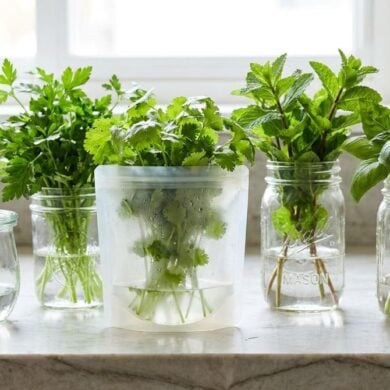
Store cut herbs carefully. Many herbs last longer in a glass of water on the counter than in a sealed bag in the fridge. Basil, however, prefers room temperature and should not be stored cold. Use herbs soon after cutting for the best flavour.
Avoid the common mistakes
Several mistakes appear again and again on small balconies. Overwatering is the first, closely followed by planting too many herbs in one container, which leaves each plant short of root space. Another mistake is placing basil in a shady corner and then wondering why it sulks. Leaving herbs unharvested until they flower also reduces the flavour of many leaves. For a related read on this site, see Stocking a Pantry for Fast Weekday Dinners.
Growing herbs on a balcony is a gentle habit rather than a demanding project. Choose the right containers, keep a simple watering routine, harvest often and learn from each season. Within a few weeks you will be cooking with fresh leaves, and that small pleasure is often the reason people keep the balcony garden going.