A small garden or balcony harvest can arrive all at once. A few courgettes, a bowl of beans or a tray of herbs can appear over a single week, and it is tempting to let them spoil. Preserving is a traditional way to make the most of that surplus, but it requires care. Some methods are simple and forgiving, while others depend on precise steps to keep food safe. This article introduces three practical approaches, freezing, drying and pickling, with notes on safety and quality. It offers general information only, so always follow tested instructions from reliable sources for any method that involves sealing jars or controlling acidity.
Start with the simplest method: freezing
Freezing is the easiest way to preserve many vegetables and herbs. The key is preparation. Wash produce thoroughly, trim it and, for most vegetables, blanch briefly in boiling water before chilling in cold water and drying. Blanching slows the enzymes that cause flavour and texture to decline. Herbs can be frozen without blanching, either chopped with a little water in ice-cube trays or spread on a tray before being bagged.
Label each bag with the contents and the date, and freeze in portions that match how you cook. Flat freezing on a tray before bagging saves space in a small freezer and makes it easy to remove only what you need.
Dry herbs and fruit without special equipment
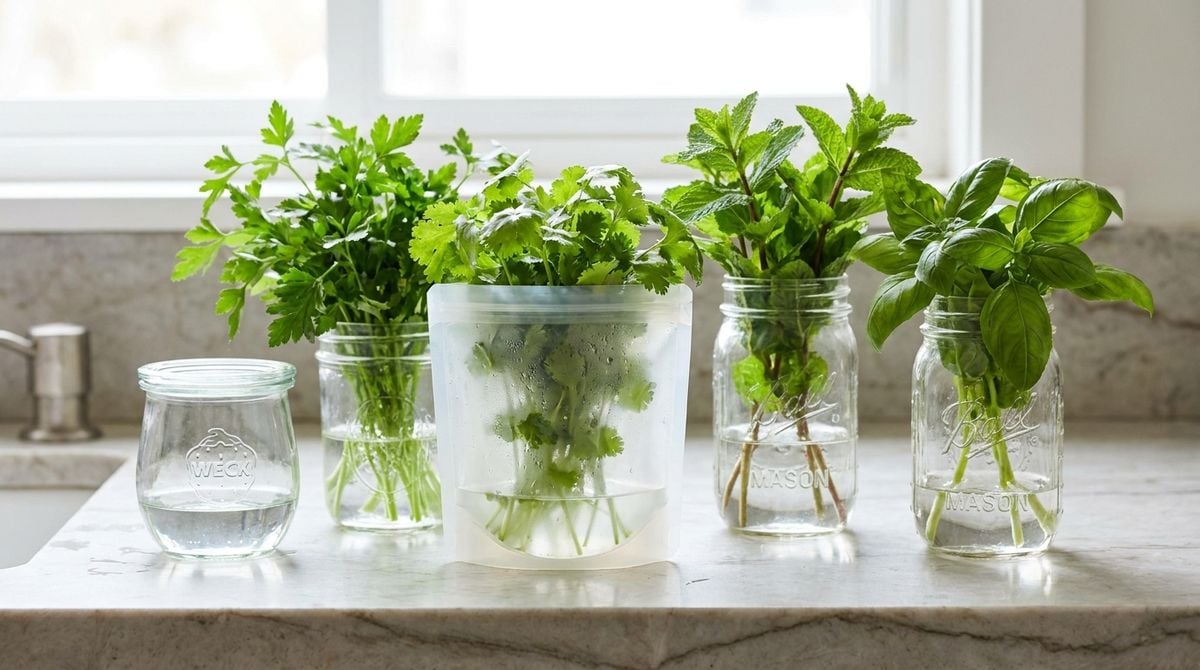
Drying concentrates flavour and takes up little room. Herbs such as thyme, oregano and mint dry well when hung in small bunches in a warm, airy spot out of direct sun. Leaves can also be dried on a rack or a sheet of baking parchment. Fruit slices, such as apple or pear, can be dried in a low oven with the door slightly open. Dried produce should be crisp, not leathery, and stored in airtight jars away from light. Helpful tips include these:
- Dry herbs quickly in a dark, dry room to preserve colour and oils.
- Check dried items regularly for any sign of moisture or mould.
- Store dried herbs whole where possible and crush them just before use.
- Keep jars labelled and use the oldest contents first.
- Discard anything that smells musty or has changed colour unexpectedly.
Pickle with care and respect for safety
Pickling can extend the life of cucumbers, beans and onions, and it adds bright flavour to simple meals. However, safe pickling depends on acidity, salt and correct processing. Quick refrigerator pickles, made in small batches and kept cold, are a good place to start. For longer storage, follow a tested recipe from a reliable source that explains processing times and jar sealing. Readers may also want to visit colonialsun.com.
Do not guess with vinegar strength or sugar levels, and do not reduce the acid to suit your taste if the recipe says otherwise. If a jar seal is weak, a lid bulges, or the contents look or smell wrong, discard it rather than tasting it.
Keep quality high from harvest to jar
Quality matters as much as safety. Harvest produce at its best and process it within a short time. Vegetables that sit for days lose texture and sweetness. Clean jars, lids and tools thoroughly before use, and keep the workspace tidy. Work in small batches so that each step is careful and unhurried. You can also visit latest-news-today.com for more reading.


Use preserved food within a sensible period. Frozen produce is best within several months, dried herbs lose flavour over time, and pickles should be eaten according to the recipe or label guidance. Keeping a simple log of what you made and when helps you rotate stock and avoid waste.
Plan a small preserving session
A small preserving session works better than a marathon. Choose one method for the week, gather the equipment in advance and set aside a few hours. Write down what you will do before you start, including any safety steps. Clean as you go, and resist the urge to add extra ingredients that the recipe does not include. For a related read on this site, see Growing a Herb Trio on a Narrow Balcony.
Preserving is a way of stretching a small harvest into meals for months. With freezing, drying and carefully tested pickling, a balcony or small garden can provide flavour long after the season ends. Labels matter as much as the preserving itself. Write the contents, the method and the date on every package or jar, and store the most recent batch behind the older one so the oldest food is used first. A quick check each month, looking for odd smells, colour changes or freezer damage, keeps the stored harvest trustworthy. Take each method seriously, keep notes and enjoy the calm satisfaction of opening a jar in the middle of winter.