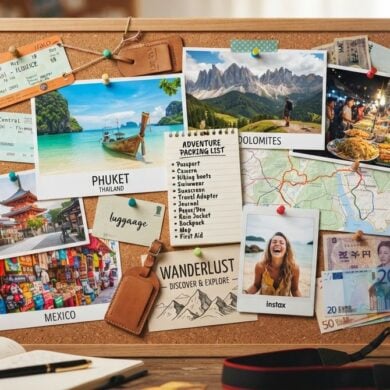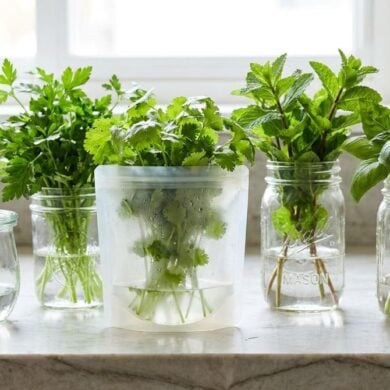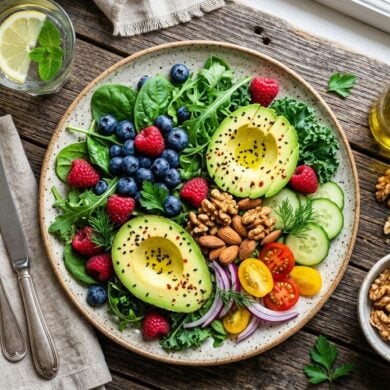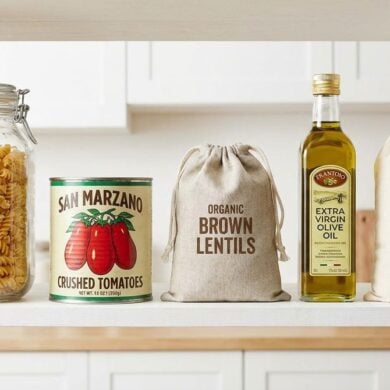
Every ingredient in your kitchen carries a distinct story that connects your dinner table to the wider world. When you cook with whole spices, unrefined oils, regional grains, or fermented pastes, you are participating in culinary customs shaped by geography, culture, and human ingenuity. Many passionate home cooks look for fresh inspiration within recipe books, yet some of the most exciting kitchen ideas emerge from watching the world unfold. By tuning into international events across continents, you can uncover forgotten techniques, discover emerging culinary hubs, and bring variety to your weekly cooking.
Food and global events have always been closely linked. Changes in weather patterns alter harvest yields, cultural festivals spotlight regional celebration breads, and international trade routes introduce vibrant ingredients to local neighborhood markets. Following international affairs expands your worldview and transforms how you plan meals, source specialty ingredients, and appreciate the artisans behind the foods you love.
The Direct Connection Between Global Events and Your Pantry
Every pantry is an archive of international trade and agricultural heritage. When a maritime passage experiences disruptions or an unseasonal frost touches olive groves across southern Europe, the ripples eventually reach neighborhood grocery aisles. Understanding these international patterns helps home cooks make thoughtful purchasing decisions and adapt their recipes without frustration. When a specific spice blend or specialty citrus fruit is unavailable, informed cooks can turn to authentic regional substitutes that celebrate neighboring culinary traditions.
Paying attention to geopolitical and environmental reports also highlights the resilience of farming communities across different regions. For example, learning about agricultural cooperatives in West Africa or traditional grain preservation methods in the Andes provides meaningful context for ingredients like sorghum, millet, and heritage cocoa. Taking time to follow international developments through Kora Platform offers home cooks a clear window into regional shifts and world affairs, making it easier to appreciate how international decisions influence global food heritage.
When you understand where food comes from and how regional challenges affect farmers, cooking becomes an act of intentional connection. You begin to treat precious pantry staples with greater care, reducing kitchen waste and finding creative uses for every pinch of cardamom or splash of dark sesame oil.
Finding Culinary Inspiration in Daily International Reports
Many home cooks fall into familiar routines, preparing the same small rotation of dishes. While routine provides comfort, exploring new cultures through food revitalizes your palate and sharpens your culinary skills. One of the simplest ways to spark creativity is to let current events guide your weekly menu planning. A cultural celebration in Southeast Asia, an international summit in South America, or an environmental restoration initiative in the Mediterranean can serve as the thematic starting point for your next culinary adventure.
Staying informed on global events does not require hours of research. Reading a concise digest of international stories on getnewsupdate.net can introduce you to emerging cultural festivals, trade agreements, and regional developments from around the globe. A brief news mention of a traditional harvest festival might inspire you to roast seasonal squash with warming spices, or an update on coastal fishing policies might prompt you to try a sustainable seafood stew from an unfamiliar region.
Using current events as creative prompts removes the guesswork from meal planning. Instead of wondering what to cook on a quiet evening, you can select a region featured in recent headlines and build a simple meal around its core flavors. This approach turns everyday cooking into an educational experience that keeps your meals vibrant and dynamic.
Practical Steps for Exploring Regional Cuisines
Venturing into unfamiliar culinary traditions can feel intimidating when working with specialized ingredients. However, expanding your cooking repertoire does not require professional training or expensive equipment. Taking small, manageable steps allows you to build confidence while honoring the traditions behind each regional dish.
Here are several practical steps to help you explore international cuisines with curiosity and care:
- Research the foundational aromatic base of a specific region, such as ginger and scallions, sofrito, or mirepoix.
- Visit an independent international market to discover authentic grains, dried legumes, and preserved condiments.
- Master one versatile traditional technique, such as blooming whole spices in hot oil or simmering a slow braise.
- Focus on building balanced flavors with pantry staples before purchasing hard-to-find specialty cookware.
- Read about the historical origins and everyday context of a dish before serving it to family and friends.
By focusing on fundamental techniques rather than complex presentations, you develop an intuitive understanding of how different cultures balance heat, acidity, sweetness, and savoriness. These core culinary skills carry over into all of your cooking, making you a more versatile and resource-conscious cook.


Turning International Stories into an Educational Tasting Menu
Once you feel comfortable working with new flavors, consider designing an informal tasting menu centered on a specific part of the world. A themed meal offers a wonderful opportunity to share your culinary curiosity with family members or friends. Rather than aiming for complicated multi-course meals, choose three simple, harmonious dishes that tell a cohesive story about a specific region.
Start by selecting a central staple grain or bread, such as flatbreads, steamed jasmine rice, or simmered polenta. Pair it with a hearty main dish featuring seasonal produce or slow-cooked legumes, and complete the table with a bright, acidic side dish like pickled vegetables or a crisp herb salad. This balanced arrangement mirrors how home cooks across the globe build satisfying, family-style meals that nourish both body and spirit.
Prepare elements ahead of time to keep your kitchen calm. Pickles, spice pastes, and braises often taste better after resting, allowing you to spend less time over the stove and more time relaxing with guests. Thoughtful pacing ensures that preparing an international meal feels enjoyable rather than exhausting.
Sharing Food Stories Around the Communal Table
Gathering people around a shared table is one of the most powerful ways to foster connection and empathy. When you serve a dish inspired by world events, you provide your guests with an inviting topic of conversation. Food creates a comfortable, welcoming bridge to discuss diverse cultures, geography, and international traditions in a relaxed setting.
Hosting guests can bring practical challenges, especially if you are coordinating multiple courses or managing kitchen space for the first time. If you are preparing to welcome company into your home, reading our practical guide on hosting your first dinner party provides helpful recommendations for structuring your evening and managing preparations smoothly. When the logistics of hosting are handled with ease, you can focus on sharing delicious food and warm conversation.
Approaching food through global awareness enriches your life far beyond the kitchen. Every meal becomes an opportunity to learn, to honor the agricultural workers who nourish communities, and to celebrate the shared joy of a wholesome meal. By pairing culinary curiosity with an attentive eye on world events, you transform everyday cooking into a lifelong journey of cultural appreciation and discovery.