The kettle begins to murmur while a cook ties back loose hair, rolls up a sleeve, and reaches for the cutting board. Before the first onion is sliced, clothing has already influenced how comfortably and confidently the morning will proceed. A kitchen outfit may look casual, but every seam, cuff, and layer has practical consequences.
For food lovers, dressing for the kitchen is less about adopting a uniform than choosing garments suited to heat, movement, splashes, and repeated washing. Personal style still belongs in the room, provided it does not interfere with safe, focused work. A thoughtful wardrobe can make cooking feel orderly without making the cook appear stiff or overly prepared.
Begin With Heat, Flame, and Clear Movement
The first item on the mental checklist is safety around heat and open flame. Loose cuffs, trailing ties, and flowing sleeves can brush against burners, handles, or wet ingredients, so they should be secured before cooking begins. A sleeve that fits close to the arm or stays firmly rolled is usually more useful than one that needs constant adjustment. Scarves and long necklaces are best left outside the active cooking area.
Movement deserves equal attention because kitchen work involves reaching, bending, lifting, and turning in a confined space. Clothing should allow the shoulders to extend freely and the waist to bend without pulling fabric across the back. Readers may also want to visit credit-cafe. Anything that twists, slips, or catches during an ordinary task is likely to become more irritating as preparation continues.
Footwear completes this safety check. Closed toes offer sensible coverage, while stable soles support deliberate movement over floors that may collect water or crumbs. Shoes should also remain comfortable during long periods of standing, since an attractive pair loses its value when it encourages awkward posture. Kitchen style begins from the ground up, even when shoes receive less attention than the apron.
Choose Fabrics That Tolerate Real Cooking
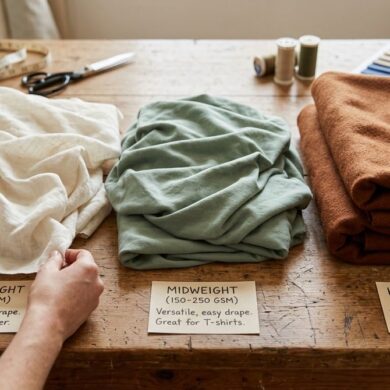
Once safety is settled, fabric becomes the next consideration. Breathable, washable materials generally suit warm rooms and active preparation better than delicate textiles that trap heat or demand cautious care. A fabric should feel pleasant against the skin while still being substantial enough to protect ordinary clothing from light splashes. Texture matters as well, because rough or rigid material can chafe during repetitive motion.
Care labels deserve a calm inspection before a garment joins the kitchen wardrobe. Cooking clothes encounter oil, flour, tomato sauce, steam, and strong aromas, so easy laundering is not a minor convenience. You can also visit mbceconomy.com for more reading. Even so, a cook should favor care routines that fit ordinary household habits rather than building an elaborate system around a single fashionable piece.
Color and pattern can also serve practical purposes. Deep tones and small prints often disguise the faint marks that remain after washing, while pale shades make fresh spills immediately visible. Neither approach is inherently better; the choice depends on whether the garment is meant for active preparation, serving guests, or both. The best fabric looks intentional after use, not merely when it is new.
Check Fit at the Counter and Table
Fit should be assessed in the positions cooking actually requires. A shirt may sit beautifully while standing still yet ride upward when the arms reach for a high shelf. Trousers may appear polished but tighten uncomfortably during kneeling or bending. Before assigning a garment to kitchen duty, it helps to mimic stirring, lifting, and opening a low cabinet.
Aprons deserve the same scrutiny. The neck loop should not pull, the waist ties should stay secure, and the bib should cover the areas most exposed to splashes. For a related read on this site, see The Mindful Kitchen: Managing Costs and Operations. A well-fitted apron feels integrated with the outfit instead of hanging like an afterthought.

Pockets are valuable only when they are placed wisely. A shallow chest pocket may release its contents whenever the cook leans forward, while an overloaded hip pocket can bump against drawers and cabinet handles. One secure pocket for a clean towel or small personal item is often enough. Kitchen clothing works best when storage supports the task without turning the body into a crowded utensil rack.
Build Style Through Controlled Details
After safety, fabric, and fit have passed inspection, personal expression can take a larger role. An apron in a rich color can enliven a simple shirt, while contrasting stitching or a restrained pattern adds character without creating visual clutter. Coordinating tones between the apron, top, and trousers produces a composed appearance suitable for both cooking and casual hosting. The aim is coherence rather than display.
Small details should remain compatible with food preparation. Secure hair accessories, smooth stud earrings, and washable head coverings can contribute polish without dangling into the workspace. Rings, bracelets, and ornate watches may be inconvenient when hands require frequent washing or when dough must be kneaded. Style becomes more persuasive when every decorative choice respects the activity taking place.
A useful kitchen wardrobe does not need many pieces. A small rotation of breathable tops, comfortable trousers, reliable shoes, and distinctive aprons can cover routine meals as well as gatherings. Garments should coordinate easily so that dressing does not become another demanding stage of preparation. Repetition can even create a recognizable personal look, especially when color and silhouette remain consistent.
Let the Outfit Support the Meal
The final check occurs when cooking begins and clothing fades from attention. A successful kitchen outfit protects, moves, washes well, and expresses taste without competing with the food. It helps the cook appear composed while leaving hands and attention free for the work that matters. In that quiet balance, fashion becomes part of hospitality rather than a distraction from it.