A good apron is easy to overlook until a splash of hot oil leaves a mark on a favorite shirt or a stock pot spills across a pair of jeans. Home cooks and professionals alike spend long hours in front of a stove, and their clothing takes a beating from heat, grease, flour and sharp tools. The right apron protects clothes, keeps pockets free for a thermometer or a towel, and feels comfortable through a long prep session. This article looks at how to choose kitchen clothing that handles heavy cooking without losing its shape.
The advice fits a wide range of cooks, from a weekend baker to someone running a busy line in a restaurant kitchen. The focus is on fabric, fit and care, along with a few practical details that make a significant difference over time.
Comparing Fabrics for Heat and Spills
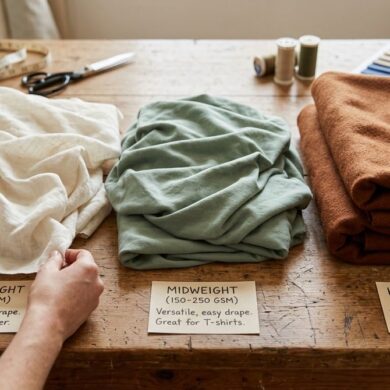
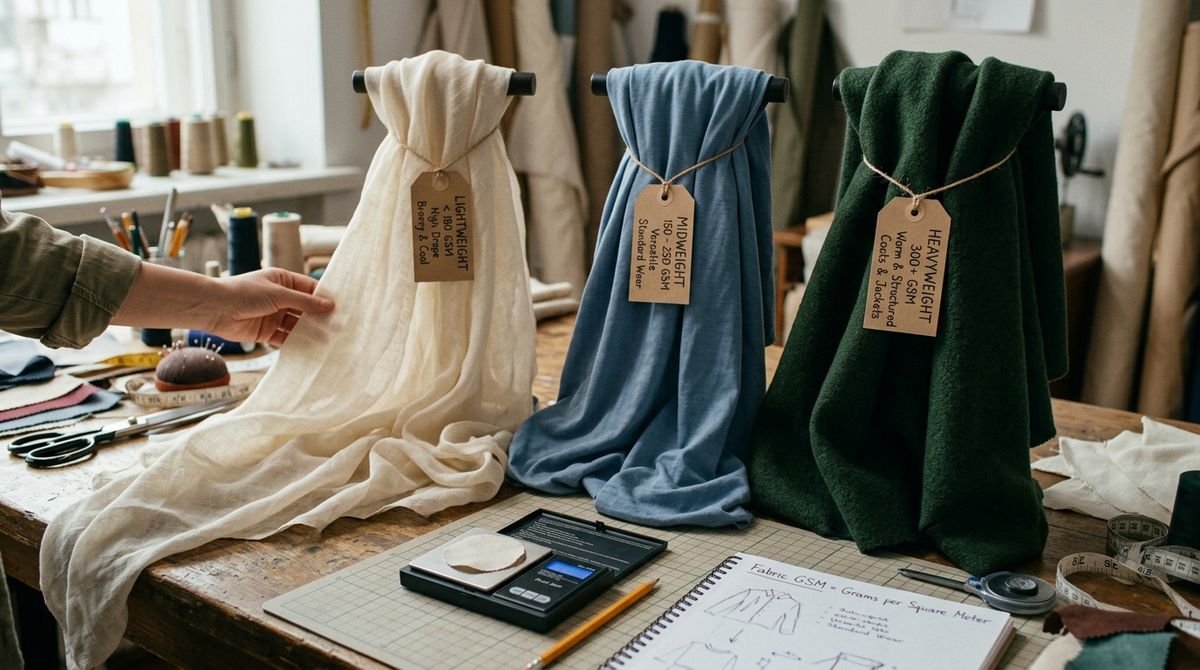
Fabric choice decides how an apron handles grease and heat. Heavy cotton canvas resists tears and holds up to frequent washing, which makes it a common choice for daily cooking. Denim-style cloth offers similar strength with a softer feel, though it can be warm during long sessions. Synthetic blends may shed stains more easily, but they can melt if they touch a very hot surface, so cooks should check the fiber content before buying.
Waxed or coated fabrics handle liquid well, though they can feel stiff and may need gentle cleaning. Readers may also want to visit Richname.net. Leather aprons last for years and resist heat, but they require conditioning and are heavier than cloth options. Each material suits a different kind of cooking, and many cooks keep two aprons for different tasks, one for messy frying and another for baking or light prep.
Fitting the Apron to the Body
Length and width matter more than many people expect. A bib that falls below the waist can catch sleeves or bump into the stove, while a short apron may leave the legs exposed to splatter. The strap should sit comfortably at the neck without pulling, and the waist ties should wrap fully around the body with enough length to tie a secure knot. Try the apron on while wearing the clothes normally worn in the kitchen.
Pockets are a practical feature. A pocket at the front can hold a towel, a small spatula or a notepad, while a deeper pocket can carry a meat thermometer. Pockets should be sewn securely, with stitching that will not pull loose under load. You can also visit millionblogsonline.com for more reading. A pocket that tears away from the body quickly becomes a nuisance during a busy service.
Caring for Kitchen Clothing Between Shifts
Washing should follow the care label, but a few habits help most aprons last longer. Scrape off solid food before loading the machine, and pre-treat grease spots with a small amount of dish soap. Hot water can set some stains, so cooler washes are often gentler on the fibers. Air drying helps prevent shrinkage and keeps the fabric from stiffening.
Rotation extends the life of each piece. Having two or three aprons means each one has time to dry and recover between uses. Replace an apron once the stitching begins to fray or the fabric thins near the ties, since a failing seam can release a strap at the worst moment. Keeping a spare on hand avoids the temptation to work in a damaged one. For a related read on this site, see Dressing Well for the Work of Cooking.


Adding Extras That Help in the Kitchen
Some cooks prefer extra features such as a towel loop, a hidden pocket for a phone or a fabric panel that covers the chest. Consider which tasks take the most time and choose the feature that solves the biggest problem. A towel loop is useful for anyone who handles hot pans, while a sturdy pocket suits cooks who keep small tools close at hand.
Matching the apron to the rest of the uniform also helps in professional kitchens. A consistent color and simple design make the team look organized, and they hide stains better than pale fabric. Home cooks can apply the same thinking, choosing a color that suits their style while still hiding the inevitable marks from a busy evening.
A Practical Choice for Hot Days
A well-chosen apron protects the clothes underneath, keeps tools within reach and stays comfortable through a long session at the stove. Attention to fabric, fit, pockets and care turns a simple piece of cloth into a dependable part of the kitchen routine. Spending a little time on the choice usually pays off every time the pan gets hot and the stock starts to spit.