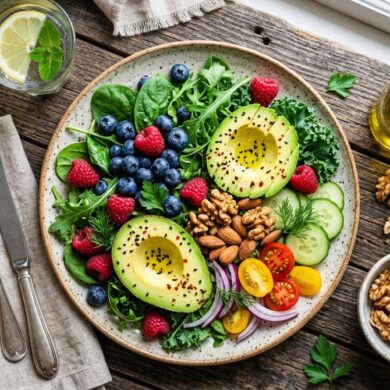
Cooking is a deeply sensory experience. When you share a recipe, you are sharing the aromas, the sounds of the skillet, and the visual beauty of ingredients transformed into a finished meal. Many cooks find that capturing this process on video allows them to connect with others who share a passion for the kitchen. Moving from simple cooking to sharing your techniques requires careful planning to ensure the final result is as clear and inviting as the food itself.
Planning Your Cooking Space for Recording
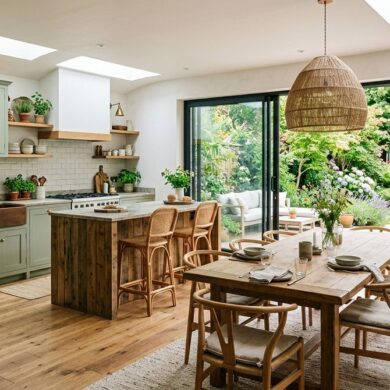
Before you start filming, consider how your kitchen space functions during a session. Most home kitchens are designed for efficiency in preparation, but recording requires additional considerations for lighting and camera placement. You want to ensure that your primary workspace is well-lit and that your viewers have a clear perspective of what you are doing. Natural light from a nearby window can create a warm, inviting atmosphere, while supplementary lighting helps keep shadows from obscuring your hands or the ingredients you are showcasing.
Consider the layout of your equipment. Having your tools within reach ensures you can move smoothly between chopping, stirring, and plating. If your kitchen layout is particularly compact, prioritize placing your camera in a way that captures your most important steps. It is often helpful to walk through your cooking process beforehand, noting where you might need to adjust for better visibility. This type of preparation helps streamline the recording process and reduces the need for multiple takes.
Capturing Crisp Audio in a Busy Kitchen
While visual appeal is paramount, clear audio is essential for keeping viewers engaged. A kitchen is inherently filled with background noise, from the hum of appliances to the ambient sounds of the house. Achieving audio clarity requires understanding how to isolate your voice from these common distractions. Using a dedicated microphone that sits close to your voice rather than relying on the camera’s built-in microphone can make a noticeable difference in the quality of your content.
If you find that your current setup is struggling to overcome the ambient noise of your kitchen, you may need to look for better equipment. The Microphone Authority is a helpful resource when you are researching high-quality audio tools designed to provide clear, reliable sound for your projects. Focusing on quality audio ensures that your viewers can clearly hear your instructions and your descriptions of the cooking process, even when you are searing ingredients or simmering sauces.
Managing Your Technical Setup
As you add cameras, lights, and microphones, your kitchen may quickly become cluttered with cables and power cords. Managing these connections is vital for both safety and maintaining a professional look. A well-organized technical setup prevents tripping hazards and helps keep your focus entirely on the cooking. Use cable clips, ties, or dedicated organizers to keep power lines routed away from your main work area and off the kitchen floor.
If you encounter difficulties with complex connections or need advice on streamlining your technical hardware, exploring solutions is a logical next step. You can visit digital-polyphony.com to find practical ideas for simplifying your technology infrastructure. Keeping your setup organized allows you to spend more time experimenting with new ingredients and techniques rather than troubleshooting connectivity problems during your recording sessions.
Organizing Your Workspace for Efficiency
Efficiency in the kitchen translates well to the screen. A cluttered space can feel chaotic to viewers, while a organized, clean area highlights your process. Keep your mise-en-place prepared and arranged clearly before you begin filming. This not only makes your video easier to follow but also keeps you calm and focused while working under the pressure of the camera. Having everything measured and prepped in advance reduces the time spent on mundane tasks while recording.


Safety is also a significant part of your workspace organization. As you focus on presentation, ensure that your clothing and accessories do not interfere with your movements, especially near a hot stove. For more on staying safe while you cook for the camera, review our guide on sleeve and glove choices for cooks to keep your arms protected when working near high heat. Incorporating these safety habits early helps you maintain consistency and confidence throughout your culinary projects.
Maintaining Focus During Cooking Segments
Filming your own cooking requires patience and the ability to maintain focus, even when a step does not go exactly as planned. Embrace the reality that cooking is often unpredictable, and showing the process honestly can be more relatable to your audience than a perfect, seamless demonstration. Remember that the goal is to share your enthusiasm and expertise, not to create a flawless, commercial-grade production. Keeping your tone conversational and helpful makes the experience more enjoyable for both you and your audience.
Essential Tips for Success
- Keep your primary tools clean and organized throughout the process.
- Ensure your background is tidy to keep the focus on your cooking.
- Practice your narrative to make your instructions clear and easy to follow.
- Double-check your technical connections before you begin to cook.
- Take a moment to reset your area between different steps or recipes.
Ultimately, the best content comes from sharing the recipes that you genuinely enjoy cooking. When your passion for the dish is clear, your audience is more likely to be inspired to try the recipe in their own kitchen. Take your time, enjoy the process of teaching, and focus on the joy of creating something delicious. By building a consistent and organized setup, you ensure that you have the freedom to experiment and share your culinary journey with others.