Cooks who spend long hours near hot pans, ovens and grills need clothing that protects the arms and hands without slowing movement. Sleeves that slide into batter, gloves that trap steam and fabrics that catch sparks can all turn a shift into an uncomfortable struggle. The right choices feel practical, comfortable and easy to clean.
This guide looks at sleeve styles, glove materials and the fabrics that suit hot kitchens. It is written for home cooks who host often as well as for people working in professional kitchens. The advice is general information about everyday comfort and safety, and any burn or injury should receive prompt medical attention.
Choosing Sleeve Styles That Stay Out of the Way
Long sleeves offer more protection from splashes and hot surfaces, but loose cuffs can dip into sauces or catch on handles. Fitted cuffs or elastic bands keep fabric controlled while the arms reach across a stove. Rolled sleeves can work for short bursts of heat, although they expose the forearm. Choose a style that stays in place without restricting circulation or movement. Avoid anything with dangling fastenings that could snag on a pan handle. Fabrics that wrinkle easily are harder to keep looking neat through a long shift.
Readers may also want to visit technodetails.com. Many cooks find that a sleeve with a slightly longer cut at the forearm offers a good balance. Test the fit by reaching overhead, bending over an oven and stirring a pot with a long spoon. If the fabric rides up or pulls at the shoulders, the garment will become frustrating after a few hours. Taking a few minutes to compare options at home often saves money in the long run.
Selecting Glove Materials for Heat and Grip
Heat-resistant gloves come in several materials, including cotton with a silicone grip, aramid blends and thicker silicone designs. Each option suits different tasks. Thin gloves offer better grip for handling small items, while thicker ones protect the hand when lifting heavy trays. Check the label for the temperature range, and avoid gloves that are damp or worn thin.
You can also visit AndroMods.com for more reading. Gloves that get wet lose their insulating value quickly, so keep a dry spare nearby during busy services. Store clean gloves away from grease and raw meat. Replace any pair with holes, stiffness or stains that cannot be removed. Mark the replacement date on the storage bag so that worn pairs are retired on schedule.
Test gloves at home before buying a full set. Try a pair during a normal cooking session, check the grip on a damp tray and see whether the fingers still move freely. A short trial reveals comfort issues that a product photo cannot show.
Fabrics That Handle Heat and Washing
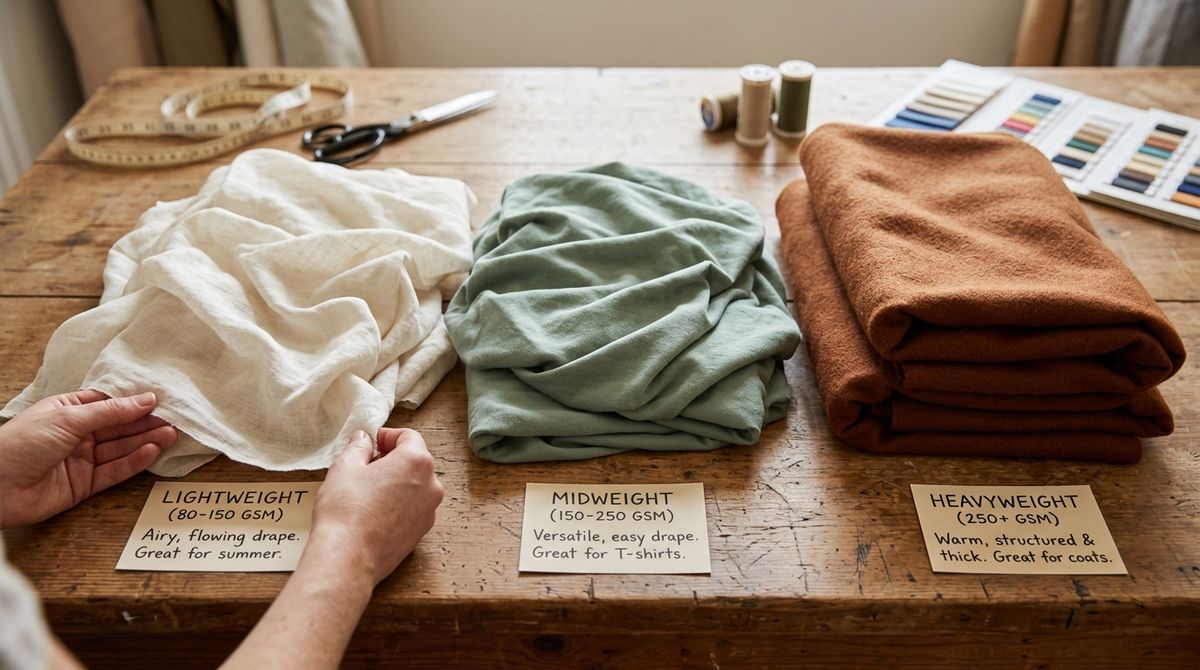
Cotton and cotton blends breathe well and tolerate frequent washing, which suits busy kitchens. For a related read on this site, see Setting Monthly Grocery Lines Beside Shop Restock Costs. Synthetic fibers can melt when they touch a hot surface, so avoid them near open flames or grills. Tightly woven fabrics resist splashes better than loose weaves. A heavier weight offers more protection near open flames, but it can feel warm during summer service.
Check that the garment can handle high temperature washing if stains are common. Ask colleagues which fabrics have held up best in their own kitchens. A well-chosen fabric is an investment in safety rather than an accessory, and it rewards the extra attention with longer life.


Caring for Protective Clothing
Wash kitchen clothing after each shift to remove grease and food residue. Grease left in fabric can become a fire hazard and stiffen the material over time. Use a warm cycle suitable for the fabric, and dry the items fully before storage. Remove grease spots promptly, since older stains are harder to lift. A clean, dry set of clothing feels better and lasts longer.
Store clean gear on a dry shelf, away from direct sunlight and damp corners. A tidy cupboard keeps fabrics from yellowing and helps cooks find their set quickly before a shift. Check each item before use for tears, loose threads and worn cuffs.
Hang aprons on a hook near the work area so they dry between uses. Rotate two or three sets of sleeves and gloves so that no single item wears out too quickly. Keep a small bag for dirty items, which stops stains from spreading to clean clothes.
Dressing for Heat With Confidence
Good kitchen clothing combines protection, comfort and easy care. Sleeves that stay controlled, gloves that suit the task and fabrics that handle heat well allow cooks to focus on the food. With thoughtful choices, the hot pan becomes a manageable challenge rather than a daily worry. Good habits matter as much as good clothing. Tuck in loose strings, keep long hair tied back, and remove rings before handling hot trays. Revisit the set every season, since comfort and needs change as skills and kitchens change.