Taking your culinary vision to the streets is one of the most exciting paths in modern food culture. A mobile kitchen gives you the creative freedom to share bold flavors directly with eager diners across town, without the immense overhead of a traditional dining room. From bustling office courtyards to evening neighborhood markets, a well-run food truck turns everyday parking spots into vibrant community dining destinations.
Yet, turning a passion for cooking into a sustainable mobile venture takes much more than great recipes. Working in a tight footprint demands exceptional kitchen organization, rapid ticket execution, and a disciplined approach to daily management. Navigating this transition smoothly requires thoughtful preparation before you ever open the service window for your first order.
Defining a Focused and Scalable Mobile Menu
The most common misstep for new food truck operators is designing an overly ambitious menu. A conventional restaurant kitchen enjoys multiple prep stations, walk-in coolers, and dedicated dishwashers. A mobile rig gives you limited burner space, modest counter depth, and minimal cold storage. To maintain quality and composure during a heavy rush, your menu must be lean, distinctive, and built around shared ingredients.
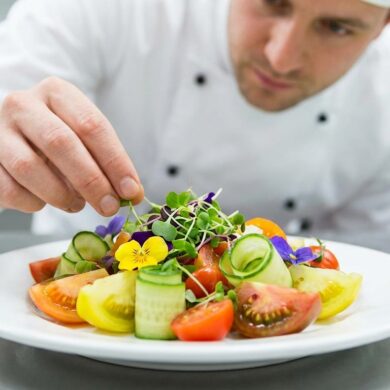
Focus your offering on a signature culinary concept that customers can understand at a glance. Whether you specialize in wood-fired handhelds, regional noodles, or artisan flatbreads, every dish should reinforce your culinary identity. Select recipes where a handful of carefully prepared components—such as braised meats, house sauces, and fresh garnishes—can be assembled across multiple dishes to prevent waste and speed up service.
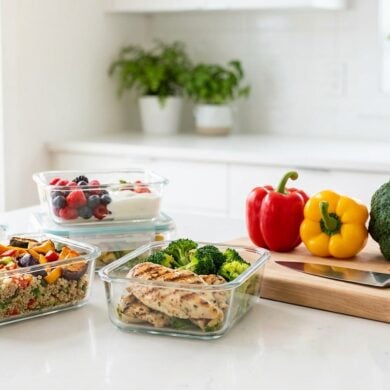
Speed of service is what keeps lines manageable and guests satisfied during peak hours. Many of the efficiency habits that power mobile kitchens mirror the production schedules used in batch cooking. If you have explored our guide on building a local meal prep business, you already understand how thoughtful ingredient overlap keeps waste low and line speeds brisk during a rush. When each dish requires only brief finishing steps at the counter, your team can serve hungry crowds swiftly while maintaining consistent presentation.
Designing an Efficient Service Flow and Prep Space
Ergonomics determine your physical comfort and daily endurance inside a mobile kitchen. Every unnecessary step you take inside the vehicle consumes precious seconds during peak service hours. An ideal layout allows team members to take orders, cook, assemble, and hand off meals with minimal cross-traffic or physical strain.
Before installing equipment or finalizing your counter layout, map out the movement of food from raw storage to the customer. Keep dirty warewashing bins separated from clean assembly areas, and ensure undercounter refrigeration doors open without blocking main walking paths. Prioritizing clear workflow lanes ensures your kitchen operates smoothly even during demanding service windows.
A well-organized mobile workstation typically incorporates several essential functional zones:
- Dedicated cold storage positioned away from high-heat cooking equipment to maintain safe holding temperatures.
- A central assembly counter with immediate access to fresh garnishes, squeeze bottles, and packaging supplies.
- A compact cook line featuring heavy-duty ventilation, reliable fire suppression, and quick-recovery heating surfaces.
- An expediting window equipped with ticket organizers and a sturdy counter for seamless guest handoffs.
Mastering Operations and Everyday Entrepreneurship
Behind every thriving mobile food business is an operator who treats back-of-house logistics with the same devotion as plate presentation. Managing fuel levels, generator maintenance, fresh water supplies, and wastewater disposal can feel daunting at first. Establishing strict opening and closing checklists turns these mechanical demands into routine habits that protect your equipment and keep unscheduled downtime minimal.
Transitioning from an enthusiastic home cook or line chef to a resilient business owner also requires deliberate growth in your management routines. To strengthen your daily problem-solving approach and discover practical strategies for modern entrepreneurs, resources like High99.biz offer clear perspectives on developing the core competencies needed to stay competitive. Learning how to balance food costs, supplier relationships, and staff schedules builds a steady foundation beneath your culinary craft.
Preventative maintenance is equally essential when your kitchen operates on wheels. Routine engine servicing, tire inspections, and regular deep cleaning of refrigeration coils prevent costly mid-season breakdowns. Treating your vehicle as an integrated commercial system ensures that mechanical reliability directly supports your culinary reputation and daily customer service.


Tracking Foot Traffic Patterns and Market Dynamics
Location scouting is never a static decision for mobile food operators. Customer foot traffic changes significantly depending on weather conditions, seasonal shifts, corporate office schedules, and nearby entertainment. A curb location that draws massive lines on a warm Friday afternoon might see sparse crowds on a rainy Tuesday morning.
Successful operators stay agile by monitoring broader commercial trends and community spending patterns rather than relying on a single parking spot. Staying tuned to commercial changes through LIT Market helps mobile vendors anticipate broader trade conditions and adjust their service schedules to where customer activity is most vibrant. Understanding the economic pulse of surrounding business districts allows you to position your truck right where consumer demand is gathering momentum.
Diversifying your service calendar is another effective way to stabilize customer flow. Pairing corporate lunch stops with evening brewery partnerships and weekend community gatherings balances quiet days. Regularly reviewing which shifts produce the strongest ticket volume helps you refine your weekly route and eliminate locations that do not justify your prep time.
Cultivating a Loyal Community of Regular Diners
A mobile food venture relies heavily on repeat visitors who actively seek out your truck each week. While spontaneous passersby provide welcome sales, your most dependable supporters are neighborhood regulars who plan their meals around your arrival. Genuine hospitality at the ordering window turns a quick transaction into a memorable personal connection that keeps guests returning.
Transparent communication regarding your whereabouts is vital for retaining those dedicated guests. Maintain an accessible digital calendar and post regular updates so your followers always know exactly where you are parked and which seasonal specials you are serving. When diners know they can count on both your schedule and your food quality, they naturally become enthusiastic word-of-mouth ambassadors for your brand.
Building a distinctive mobile culinary brand takes patience, organizational discipline, and an unrelenting passion for great food. By focusing on a tight menu, streamlining your workstation, and staying attuned to local foot traffic, you can establish a beloved neighborhood fixture on wheels. Keep refining your recipes, listen closely to your guests, and embrace the adventure of sharing your cooking with the world.