Good food has an extraordinary ability to bring people together, creating genuine connections that everyday work tasks rarely duplicate. For dedicated food lovers and home cooks, spending time preparing a fresh meal provides a restorative creative outlet away from screens and spreadsheets. When professional schedules grow demanding, solitary lunches eaten hurriedly over a computer keyboard often crowd out mindful nourishment. Bringing a shared enthusiasm for thoughtful home cooking into your workplace or distributed professional circle can revitalize how everyone approaches their daily meal routines, transforming an overlooked chore into a refreshing daily highlight.
Creating an informal culinary collective among colleagues or industry peers helps replace uninspired convenience foods with wholesome, energizing meals prepared with intention. By sharing dependable pantry staples, trading simple family recipes, and exploring seasonal produce as a group, participants inspire one another to prioritize nutritional quality and culinary craftsmanship. You do not need commercial equipment, large budgets, or culinary credentials to launch an engaging workplace food culture. All that is required is genuine curiosity, an open mindset, and a mutual appreciation for good ingredients cooked well.
Why Shared Food Traditions Transform Everyday Work Culture
Food serves as a universal language that bridges diverse cultural backgrounds, personal histories, and creative approaches. When colleagues discuss regional spices, trade soup recipes, or debate the best sourdough crust, they build authentic rapport that transcends traditional hierarchies. Preparing and enjoying dishes in a collaborative setting fosters a welcoming space where individuals feel comfortable sharing their culinary heritage, encouraging mutual respect and deeper understanding across the entire group.
Participating in shared culinary traditions also breaks down professional silos that frequently isolate departments or remote contributors. Stepping away from office jargon to collaborate on simple kitchen tasks allows individuals to relate on a human level. The shared sensory pleasure of tasting a balanced sauce or smelling roasted garlic creates lasting warmth across teams.
Furthermore, coordinating group culinary activities mirrors the foundational mechanics of high-performing professional teams. Organizing a regular culinary exchange requires strong internal communication and thoughtful coordination, much like the leadership concepts discussed at teleworkpeople.com, where peers collaborate to foster positive work environments. By establishing collective cooking schedules, delegating responsibilities, and supporting less experienced cooks, participants strengthen the very same communication habits and leadership capabilities that drive successful workplace initiatives.
Selecting Practical Themes That Welcome Every Home Cook
A successful cooking collective must be accessible to participants with varying levels of kitchen confidence, dietary requirements, and available prep time. If proposed recipes demand intricate knife skills or call for hard-to-find ingredients, busy coworkers may quickly feel intimidated and withdraw. The most sustainable approach focuses on versatile culinary concepts that celebrate seasonal flavors while keeping technique straightforward and adaptable.
Theme-based challenges spark creativity without requiring hours of labor before noon. Rather than asking everyone to replicate a single rigid dish, encourage members to interpret an open-ended theme with ingredients they love. Rotating through practical concepts highlights fresh produce, hearty grains, and bold seasonings:
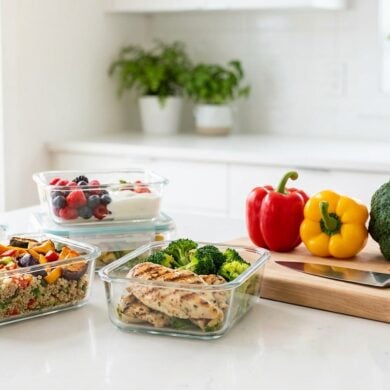
- Building customized grain bowls featuring nutty farro, roasted vegetables, and bright citrus vinaigrettes.
- Assembling vibrant Mediterranean flatbreads topped with crisp cucumbers, fresh mint, and spiced chickpeas.
- Crafting layered mason jar salads layered with hearty greens, toasted seeds, and tangy herb dressings.
- Preparing quick skillet sautés pairing colorful bell peppers and crisp snap peas with fragrant ginger.
These modular culinary templates ensure that every cook can tailor their portion to specific dietary needs, such as vegetarian, gluten-free, or dairy-free eating styles, without feeling singled out. When colleagues realize they can participate fully using ingredients that fit their personal health choices, enthusiasm for communal food prep builds naturally across the organization.
Structuring Collaborative Prep Sessions Without Added Stress
The difference between an inspiring cooking initiative and a chaotic distraction comes down to logistics. Workday lunch windows are brief, so prep routines must be streamlined to prevent cooking from encroaching on work duties. Establishing clear expectations regarding timing, equipment, and cleanup ensures the experience remains refreshing for busy participants.
Much like the strategic workflow planning needed when revitalizing an existing neighborhood cafe, setting up a shared food initiative thrives on clear roles, organized prep spaces, and thoughtful timing. Whether your team meets in an office kitchenette or over video calls from home, organizing prep in stages keeps energy high. Encouraging teammates to chop produce or roast vegetables the evening before allows midday sessions to focus purely on quick assembly and lively conversation.
Maintaining a clean and orderly environment throughout the process is equally vital for long-term goodwill. Designating rotating cleanup responsibilities and providing basic sanitation supplies prevents messy countertops from causing friction with non-participating colleagues. When prep and cleanup protocols run smoothly, group members can relax and enjoy their culinary creations without lingering stress.


Balancing Wholesome Nutrition With Rich Culinary Flavor
Nutritious workplace food should never mean settling for bland meals. Conventional wellness advice often mistakenly equates healthy eating with joyless restriction, producing unseasoned vegetables and dry proteins. Dedicated foodies know that true satisfaction comes from balancing wholesome ingredients with bold flavor techniques that awaken the palate.
Prioritizing nutrient-dense ingredients throughout the working week supports steady mental clarity, physical stamina, and afternoon productivity. To keep recipes aligned with personal vitality and balanced lifestyle goals, many home cooks consult wellness guides like usamarketarea.com for daily inspiration on wholesome habits. Blending evidence-informed wellness concepts with seasoned culinary instincts allows you to craft menus that satisfy deep cravings while keeping energy levels remarkably consistent.
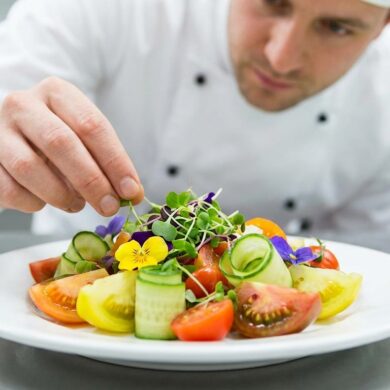
Freshly ground spices, aged vinegar, crisp herbs, and fermented accents like kimchi or miso introduce deep umami notes without heavy fats. Learning to layer acidity, warmth, and texture turns everyday wellness meals into culinary delights that participants genuinely look forward to eating.
Sustaining Momentum and Celebrating Group Creativity
Maintaining enthusiasm for a workplace cooking initiative requires periodic novelty and genuine celebration of effort. Without fresh inspiration, even the most appealing weekly routines can slowly become predictable. Introduce seasonal showcases that spotlight local farmers market finds, host friendly blind tastings of homemade hot sauces, or explore heritage grains that members have never cooked before to keep culinary curiosity sharp.
Preserving the recipes and stories that emerge from your cooking sessions creates a lasting sense of shared accomplishment. Establish a digital folder where members upload ingredient ratios, photos, and recipe tweaks. Reviewing this growing archive serves as a proud reminder of how much everyone has learned, while welcoming new hires and curious newcomers to step up to the cutting board.
Cultivating a collaborative cooking culture among your professional colleagues restores pleasure and mindfulness to daily eating. By replacing solitary, uninspired desk lunches with vibrant dishes crafted in good company, you nourish both personal wellbeing and workplace camaraderie. Choose an approachable theme, gather a few enthusiastic peers, and let the warmth of shared cooking enrich your working days.