Breakfast with a toddler can feel like a daily negotiation, with picky eaters, rushed mornings and a kitchen that never stays tidy. A little planning turns that routine into something calmer and more predictable. Beginners often ask what to serve, how to keep food fresh and how to avoid waste. The answers below cover those questions one at a time, using plain language and simple ideas that suit most ordinary homes.
The advice is general and does not replace guidance from a pediatrician or a registered dietitian. Every child has different needs, allergies and preferences. Use these sections as a planning tool that helps you choose a few reliable options and build from there. Keep what works for your family and drop what does not.
Simple breakfasts with familiar foods work best for beginners
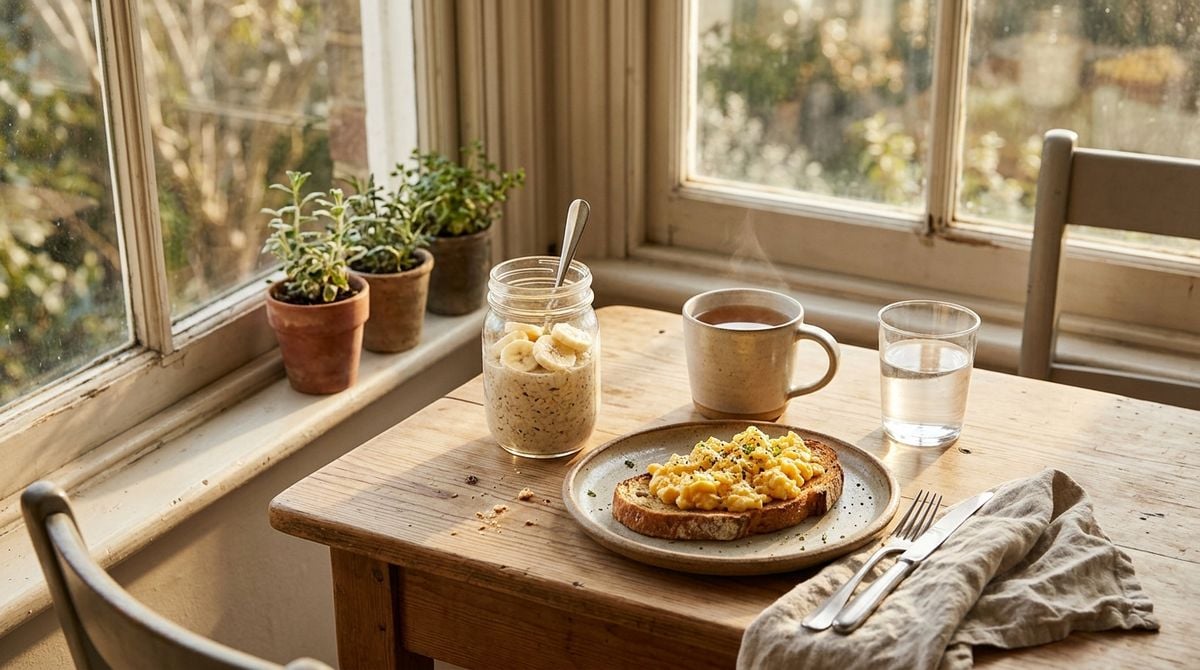
Toddlers often accept foods they already know, so start with a short list of reliable choices. Oatmeal with mashed fruit, soft scrambled eggs and plain yogurt are easy to prepare and easy to adjust. Rotate two or three options through the week to keep the routine interesting without overwhelming the child. Readers may also want to visit lawyernewsblog.com. Keep the portions small so the meal feels manageable. Introduce one new food at a time, next to a familiar favorite. Offer the new food in a small amount so the child can decide without pressure. Praise the attempt rather than the amount eaten.
Prepare grab-and-go portions in batches on quiet days
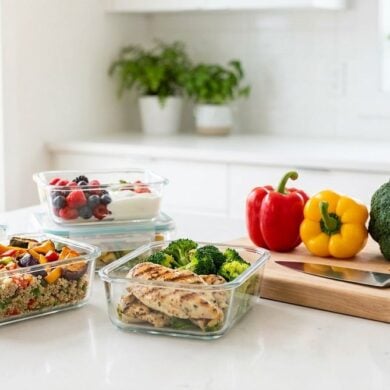
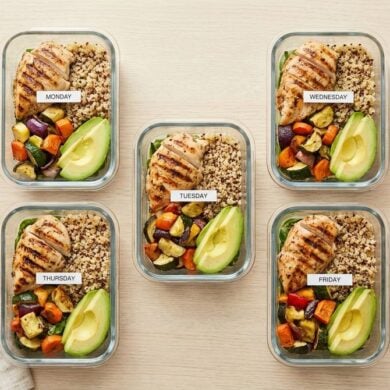
A batch of muffins, pancakes or egg bites can be cooled, stored and reheated on busy mornings. Freeze extras in single servings so you can take out only what you need. Label each container with the date you made it and the name of the dish. Reheat thoroughly and let the food cool slightly before serving. You can also visit attorneyatlawkenya.com for more reading. Keep a short list of what is in the freezer on the inside of the door. Write the date each batch was frozen on the label before sealing the lid.
Keep an easy routine for fruit and vegetables
Fruit and vegetables can appear at breakfast without much effort. Slice fruit the night before and keep it in a covered container at the front of the refrigerator. Offer a small vegetable side, such as cucumber sticks or soft steamed carrots, next to the main dish. Let the child choose between two options to build a sense of control. Serving the produce in a bowl the child can reach helps them join in with the setup. For a related read on this site, see Beginner Questions About Slow Cooker Meals for Team. Frozen fruit can also work well in warm oats when fresh options run low.
Watch portion sizes and avoid pressure at the table
Toddlers often eat more on some days and less on others, and both patterns are normal. Serve small amounts and offer more when the child asks. Avoid bribes, long lectures or pressure to finish, since those can make mealtimes tense. Stay seated with the child and model relaxed eating yourself. Keep the breakfast window consistent so the child arrives hungry without feeling rushed. A calm table usually leads to better appetite over time. Offer the same meal at similar times each morning so the routine feels familiar.


Prevent choking hazards with careful food preparation
Cut round foods such as grapes and cherry tomatoes into small pieces, and remove seeds or pits. Avoid giving whole nuts, hard raw vegetables and sticky spoonfuls of thick spread. Supervise every meal and keep the child seated while eating. Learn basic first aid for choking through a certified course in your area. Safety habits are simple, consistent and worth practicing before a problem arises. Keep a note of the emergency number near the table so it is easy to find. Post the same number on the refrigerator door as well. Teach any older sibling where that number is written as well.
Reduce waste by planning around leftovers
Leftover pancakes, cooked oats and extra fruit can become the next morning’s breakfast. Store leftovers in covered containers and use them within a short, sensible window. Keep a shared list on the refrigerator so everyone sees what needs to be used first. Plan one meal around ingredients you already have before you shop again. Less waste means less stress at the store and a calmer kitchen. Toss anything that has been sitting out too long rather than hoping it is still fine. Keep leftovers at a safe temperature in the refrigerator until they are used. Label the container with the day it was cooked so the oldest food goes first.
A steady breakfast routine grows with the child
Toddler breakfasts work best when they are predictable, varied enough to be interesting and simple enough to repeat. A few reliable recipes, a batch cooking habit and a calm table cover most of the daily needs. Children change quickly, so revisit the menu as tastes and appetites shift. Celebrate small successes, such as trying a new fruit, without making it a big event. Patience and planning make the mornings feel lighter for everyone. A relaxed start often sets a better tone for the rest of the day. Small routines repeated each morning often matter more than any single recipe.