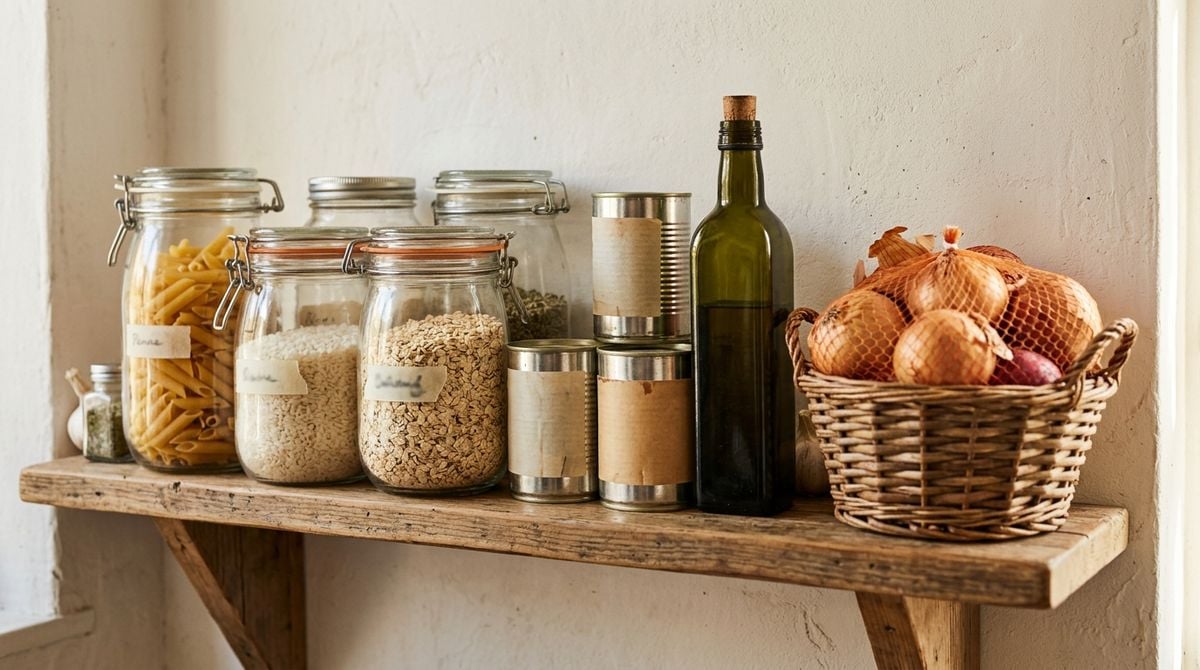
The modern kitchen is a place of endless possibility, where the act of cooking transcends simple nourishment and becomes a creative endeavor. Yet, even the most passionate home cooks occasionally struggle with the remnants of meals past. Food waste is a common challenge, but it is also an opportunity to practice more intentional culinary habits. By viewing leftover ingredients not as discards, but as building blocks for future dishes, you can transform your approach to daily cooking, reducing what goes into the bin while simultaneously expanding your repertoire of flavors and techniques.
The Art of Culinary Upcycling
Culinary upcycling is the practice of creatively repurposing food components that might otherwise be overlooked. This approach requires a shift in perspective, moving away from the idea that a recipe is a finite set of instructions with a definitive end point. Instead, think of your ingredients as an evolving inventory. Vegetables that have lost their initial crispness can be sautéed into a savory base for soups or stews. Cooked grains, when cold, become the perfect foundation for a robust grain salad or can be transformed into breakfast patties. The goal is to maximize the utility of every item that enters your kitchen, turning potential waste into delicious, functional components of your next culinary creation.
Building a habit of culinary upcycling also simplifies your menu planning. When you regularly look for ways to integrate leftovers, you naturally develop a more versatile cooking style. You learn which flavors pair well together, how textures can be modified through different heat applications, and how to balance ingredients effectively. This creative process is inherently rewarding, fostering a sense of accomplishment that goes beyond simply preparing a meal from scratch. By integrating this mindset, your kitchen becomes a more efficient and innovative space, where every meal serves as a foundation for the next.
Smart Storage Techniques for Longevity
A functional kitchen is built upon a foundation of proper ingredient management. How you store your food directly impacts its longevity, affecting not just the flavor and texture but also the ease with which you can repurpose items later in the week. Many common issues with food spoilage can be mitigated by adopting smarter storage habits that protect ingredients from premature degradation. When you are looking for effective strategies to organize your space and maximize the lifespan of your pantry and refrigerator staples, you might find helpful tips on toptensbest.com to make your daily kitchen routines much simpler and more manageable.
Investing time in proper storage methods, such as using airtight containers, understanding the ideal temperature zones in your refrigerator, and knowing which items should be kept apart to prevent cross-ripening, will significantly improve your efficiency. For instance, leafy greens often benefit from being wrapped in a clean, absorbent cloth or paper towel before being sealed, while root vegetables prefer a cool, dark, and well-ventilated space. These small, deliberate actions ensure that your ingredients remain at their peak quality for as long as possible, providing you with better materials to work with when you decide to embark on your next upcycling project.
Following Modern Food Sustainability Trends
The broader culinary world is increasingly focused on sustainability, with a renewed emphasis on mindful consumption and minimizing our environmental footprint. This shift is not just about broader agricultural practices but also about how these ideas translate to the home kitchen. Staying informed about these movements can provide inspiration and context for your own cooking efforts. For those who want to keep up with the latest ideas, events, and approaches to modern food culture and lifestyle, trendfar.com provides a helpful resource for exploring the evolving trends that shape our relationship with food.
Embracing these trends often means prioritizing seasonal produce, supporting local food systems where possible, and finding new ways to utilize whole ingredients, including parts that are traditionally considered scraps. For example, learning to use vegetable stems or herb stalks in stocks can add depth and complexity to your dishes. This perspective encourages a more profound connection to the food you consume, as you become more aware of the resources and effort involved in bringing those ingredients to your table. By aligning your kitchen practices with these broader values, you transform your cooking routine into a more conscious and sustainable act.
Kitchen Hygiene and Mindful Habits
No conversation about efficient home cooking is complete without addressing the necessity of maintaining a safe and organized environment. A clean workspace is essential not only for the quality of the food you prepare but also for your overall peace of mind during the cooking process. Developing consistent routines for cleaning as you go, managing waste properly, and ensuring that all areas are sanitized creates a more pleasant and functional experience. This is especially important for households balancing many responsibilities, where adhering to safe and clean kitchen habits for parents helps ensure a secure space for everyone involved in the daily routine of preparing meals.
A disciplined approach to hygiene involves regular checks of your pantry, proper labeling of leftovers with the date they were prepared, and ensuring that all kitchen tools are maintained and sanitized after use. When you treat your workspace with respect, you are less likely to encounter issues like accidental contamination or ingredient loss due to disorganization. These habits, while simple in nature, have a compounding effect on your daily efficiency. They allow you to focus your energy on the actual act of cooking rather than struggling to find clean tools or dealing with a cluttered or unhygienic surface.


Repurposing Common Scraps into Flavor
Many of the items we frequently discard contain valuable flavor profiles that can enhance other dishes if handled correctly. Repurposing these scraps is one of the most effective ways to reduce waste and add dimension to your meals. By keeping a dedicated bag or container in your freezer, you can easily collect various trimmings throughout the week, ready to be used when you have enough to create something substantial.
- Vegetable trimmings like onion skins, carrot ends, and celery leaves create a rich, savory vegetable stock.
- Parmesan cheese rinds impart a wonderful depth and umami flavor to soups, sauces, and stews while they simmer.
- Herb stems, particularly woody ones like rosemary or thyme, can be steeped in hot oils or broths to infuse them with aromatics.
- Fruit peels, such as those from citrus or apples, can be gently simmered with spices to create a fragrant syrup or water base.
- Stale bread can be transformed into crunchy croutons, breadcrumbs, or the base for a rustic panzanella salad.
Once you have gathered a variety of these components, the possibilities for experimentation are vast. You might find that a simple stock created from vegetable scraps is more flavorful than any store-bought alternative, providing a foundational element that improves the quality of every subsequent dish it is used in. This process of extracting maximum value from your ingredients is a testament to the skill and ingenuity that defines a truly proficient home cook, turning simple items into building blocks of culinary excellence.
As you incorporate these habits into your daily routine, you will likely find that your approach to the kitchen becomes more relaxed and rewarding. The goal is not perfection, but rather the development of sustainable, enjoyable practices that align with your personal needs and preferences. By focusing on smart storage, mindful organization, and creative repurposing, you build a foundation that supports your growth as a cook. Your kitchen will become a place where you can confidently experiment, knowing that you have the tools and the mindset to transform every ingredient into something nourishing and delicious, ultimately creating a more sustainable and fulfilling culinary experience.