Sampling regional dishes and discovering local flavors is one of the richest parts of exploring a new destination, yet restaurant meals three times a day can quietly consume half of an entire trip budget. Airport kiosks, tourist-zone cafes, and hotel dining rooms charge steep markups for ordinary food while leaving travelers sluggish and overspent. Fortunately, eating memorably on vacation does not require choosing between pricey white-tablecloth restaurants and bland convenience store snacks. With a few smart shopping routines and timing strategies, any traveler can savor authentic local cuisine while keeping daily meal expenses comfortably low.
Balancing indulgent local dining with simple self-catered meals allows your food money to go directly toward the dishes that truly matter. When you avoid wasting cash on overpriced breakfasts and bottled drinks, you free up plenty of room in your budget for an unforgettable regional specialty dinner or a bustling street food tour. Thoughtful planning turns everyday eating on the road into an enjoyable, stress-free part of the adventure.
Mastering the Hotel Room and Rental Kitchen Breakfast
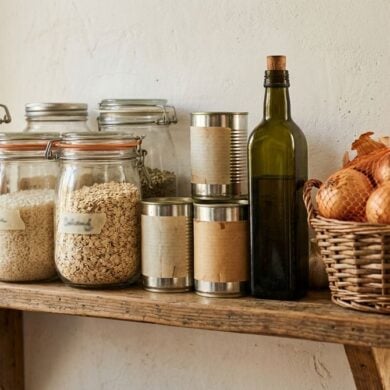
Starting the day with a simple, filling breakfast prepared in your room immediately eliminates one of the most overpriced meals of any trip. Even standard hotel rooms without full kitchens usually feature a mini-fridge and a coffee maker, which is more than enough equipment to assemble oatmeal, yogurt with fresh fruit, or whole-grain toast with nut butter. Picking up basic staples at a neighborhood grocery store on your first afternoon cuts morning food spending down to pocket change while getting you out the door faster than waiting for table service.
Packing a lightweight collapsible bowl, a reusable spoon, and a small insulated travel mug takes up almost zero luggage space and makes room dining effortless. Making your own morning coffee or tea instead of buying specialty cafe drinks every day preserves cash for afternoon pastries or local treats later in the itinerary. Readers may also want to visit creativediary.net.
Choosing accommodations that include a complimentary hot breakfast buffet can also deliver tremendous value when the spread offers real protein and fresh produce. Eating a hearty breakfast of eggs, fruit, and whole grains keeps energy levels steady through hours of walking and museum visits, allowing you to skip a formal sit-down lunch altogether. Packing a spare apple or granola bar from the morning spread provides an easy afternoon pick-me-up without dipping into your wallet.
Discovering Authentic Local Markets and Street Food
Stepping a few blocks away from major monuments and crowded pedestrian plazas dramatically improves both food quality and menu prices. Restaurants located directly across from famous landmarks rely on one-time tourist foot traffic, whereas neighborhood eateries a short walk away depend on repeat local customers who demand generous portions and fair prices. Watching where office workers, students, and local families line up at midday reliably points you toward the freshest, best-value meals in town.
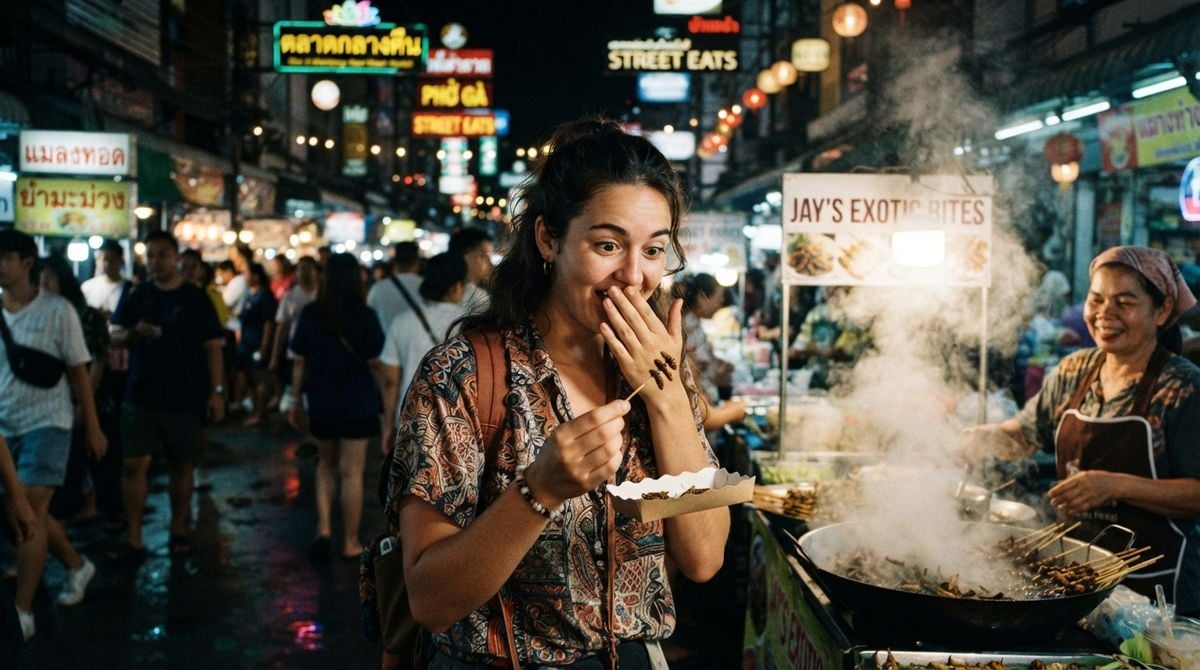
Municipal food halls, open-air farmers markets, and licensed street food stalls offer extraordinary culinary variety at a fraction of sit-down restaurant costs. Walking through a local market lets you sample regional cheeses, freshly baked bread, seasonal fruit, and hot prepared dishes while soaking up the everyday rhythm of the community. Buying ingredients for a scenic park picnic turns lunch into a memorable cultural experience without tipping, table service fees, or beverage markups. You can also visit bTrendie for more reading.
- Walk at least three to four blocks away from major tourist attractions before choosing a cafe or restaurant.
- Visit local bakeries and public markets late in the morning for fresh bread, fruit, and regional picnic staples.
- Carry a reusable water bottle and refill it at safe stations instead of buying expensive bottled water all day.
- Share large appetizers or family-style platters when traveling with a companion to sample more dishes for less money.
Timing Restaurant Visits for Maximum Value
When you want to experience a renowned local restaurant without paying peak evening dinner prices, booking a table for lunch is one of the smartest moves available. Many acclaimed kitchens serve nearly identical signature dishes at midday for noticeably lower prices than their evening menus. Lunch service also tends to be faster and more relaxed, letting you enjoy attentive hospitality and full portions while keeping your evening open for lighter, budget-friendly fare.


Early evening happy hours and pre-theater menus offer another reliable window for enjoying quality local dining on a modest budget. Numerous bistros and neighborhood taverns feature discounted small plates, tasting boards, and regional specialties during late afternoon hours before the main dinner rush begins. Planning your main hot meal around late lunch or early evening keeps your stomach full and avoids late-night impulse spending on overpriced room service.
Avoiding Hidden Beverage and Convenience Markups
Drinks, snacks, and convenience purchases quietly drain more travel money than almost any single restaurant bill. Ordering multiple sodas, juices, or specialty drinks at every sit-down meal quickly adds up, whereas asking for tap water where safe keeps the check focused squarely on the food. Stopping by a local supermarket or pharmacy for sparkling water, trail mix, and regional treats gives you plenty of refreshments to keep in your daypack throughout the afternoon.
Airport terminals and train stations represent the highest markup zones on any itinerary, making advance snack packing essential for transit days. Bringing homemade sandwiches, mixed nuts, crackers, and empty reusable bottles through security ensures you never have to settle for overpriced terminal food during flight delays. For a related read on this site, see Dressing for Comfort and Style in the Kitchen.
Savoring Every Mile Within Your Means
Great travel dining is defined by curiosity, local awareness, and smart timing rather than extravagant spending. By handling simple breakfasts in your room, exploring neighborhood markets away from tourist traps, and targeting midday lunch specials, you can enjoy rich culinary discoveries while staying firmly within your financial comfort zone. Eating wisely on the road leaves both your appetite and your bank account satisfied long after the trip ends.