A grocery list seems like a simple tool, yet it can make a large difference to how much food you buy, how much you waste and how often you end up making extra trips to the shop. When you cook for one, the usual advice written for families can feel unhelpful. Portions are different, packaging is often too large and the temptation to buy in bulk is strong. This article offers a practical way to write a grocery list that suits a single person’s life and appetite.
Start with the meals you plan to cook
Instead of writing a list of foods you might like, begin with the meals you intend to cook during the week. Choose two or three main dishes, a couple of breakfast options and one or two lunches you can prepare in advance. Then list the ingredients needed for each meal. This approach stops you from buying items that never get used, and it helps you spot ingredients that can appear in more than one recipe. Keep the meal plan on the same page as the list so the two stay connected.
Check your kitchen before you shop
Before writing anything, take a few minutes to look in the cupboards, fridge and freezer. Many households have duplicate items because they were bought on impulse and forgotten. Note what you already have, what is nearly finished and what is close to its use-by date. This check protects your budget and prevents waste. It also helps you decide which fresh items to prioritize, so they are eaten while they are still in good condition.
Readers may also want to visit geek-foo.net. Using a template can make the process quicker, especially if you usually forget the same few items.
Organize the list by shop layout
A list arranged in the order you walk through the shop saves time and reduces the chance of forgetting something. Group items into sections such as fresh produce, bakery, dairy, frozen foods, tins and dry goods, and household items. If your local shop is laid out differently, create a version that matches it. Rewriting the list in this way may feel fussy at first, but it makes each visit calmer and quicker.
Buy in quantities you can use
Single shoppers often face packaging that is designed for larger households. A large pack of vegetables or a family-size container of yogurt may seem good value, but it can spoil before you use it. Look for smaller packs, loose items you can weigh yourself, or products that keep well after opening. Consider how many days you will realistically take to finish each item. If a quantity would take longer than that to use, choose a smaller size or freeze part of it straight away.
Use the list as a habit tool
A list works best when it becomes part of a routine. Keep a running list on your phone or a notepad on the fridge, and add items as you run out during the week. Before you leave the house, review the list against your meal plan. After each shop, note anything that was wasted or unused, and adjust the next list accordingly. Over a few weeks, your lists will become more accurate and your shopping will feel more deliberate.
A starter list you can adapt
If you are unsure where to begin, the following list covers many everyday needs. Adjust it to your own tastes and dietary requirements:


- Fresh vegetables that keep well, such as onions, carrots and potatoes.
- A few fruits that suit your routine, bought in small quantities.
- Eggs, a small pot of yogurt and a block of cheese.
- Bread or wraps in a size you can finish within a few days.
- Tins of beans, chopped tomatoes and tuna for quick meals.
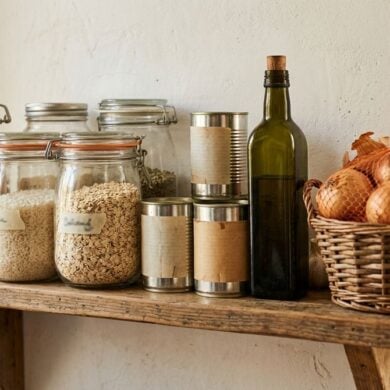
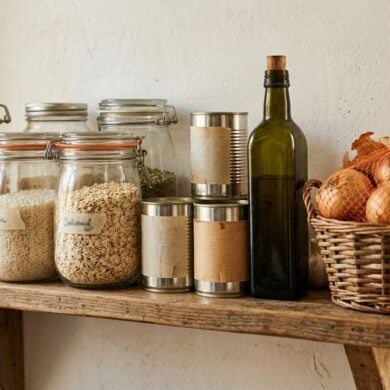
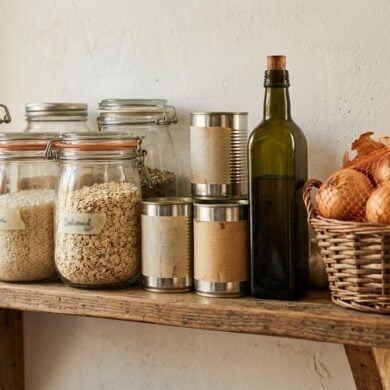
- Dry staples such as rice, pasta and oats.
- Basic spices and a bottle of cooking oil.
You can also visit cluebees.com for more reading. Read them as inspiration, and adapt the suggestions to suit your appetite, budget and kitchen equipment.
For a related read on this site, see Building an Organized Recipe System for Small Food. Over a few weeks, the list will reflect your real habits rather than an idealized week of cooking that never happens.
A good grocery list gives you control over your food, your spending and your time. It reduces waste, cuts down on impulse buys and makes cooking for one feel organized rather than wasteful. Start with the meals you plan to make, check your kitchen and shop in quantities you can finish. If you have particular health needs or a special diet, a qualified dietitian can help you build a list that supports your goals.