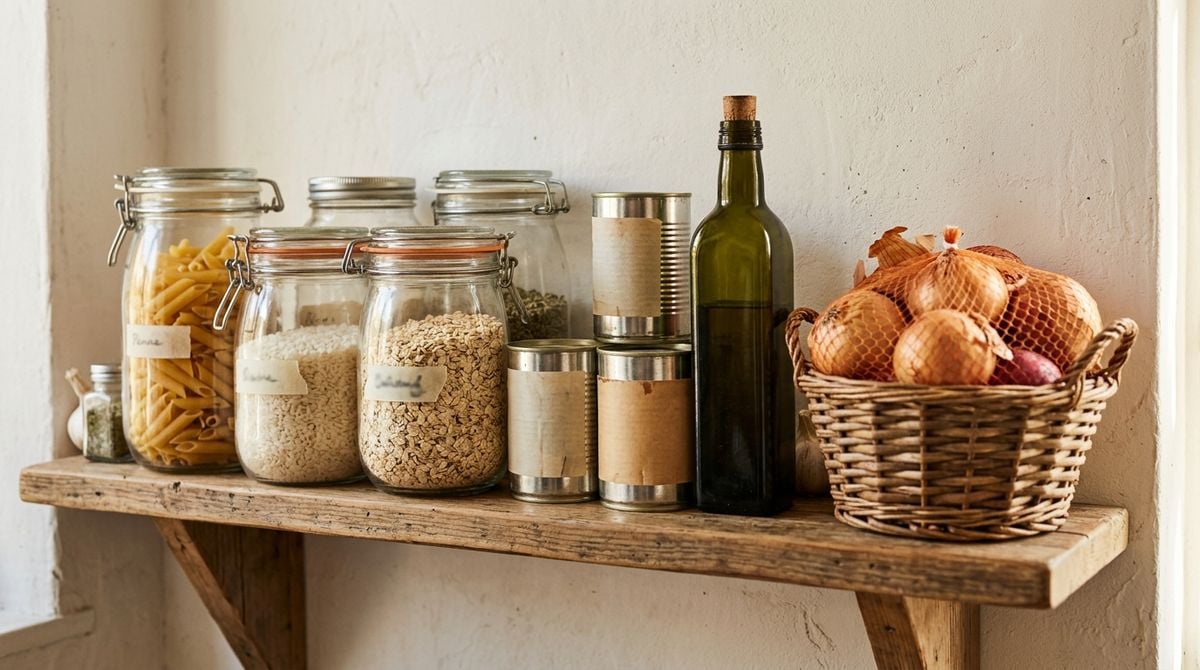
Every small grocery store deals with food that does not sell in time. Bread goes stale, fresh salads wilt and tins are pushed to the back of the shelf until their dates pass. Waste is painful because it removes money from the business and fills the bin with products that could have been sold or shared. This article describes practical ways to reduce waste through careful shelf rotation, honest ordering and simple routines. The methods suit owners with limited space, few staff and busy days.
Understand where the waste starts
Before changing anything, find out where the waste comes from. Walk the shop with a notebook each week and record what is thrown away, including the item, the reason and the approximate quantity. Many owners discover that a few lines account for most of the loss, such as bakery items, dairy or seasonal produce. Once you know the pattern, you can focus your effort where it matters most. Keep the notebook near the back door, so that the record is easy to update during the normal walk around the shop.
Common causes include ordering too much, placing new stock in front of older stock, and failing to notice dates until it is too late. Some waste comes from poor storage, such as products kept near heat or sunlight. Each cause needs a different fix, so do not treat every loss in the same way. Start with the causes that are easiest to change, such as a single over-large order, and build from there as confidence grows.
Rotate stock the right way
The oldest stock should always be at the front, where customers can reach it first. This habit is often called first in, first out, and it is one of the simplest ways to cut waste. When a delivery arrives, check the dates, move the existing items forward and place the new ones behind. Staff need to know this routine, and it helps to show them the shelves while they work. A quick demonstration at the start of a shift is often more effective than a written instruction pinned to the wall.
Check dates regularly, not just when a delivery arrives. A short walk around the shelves each morning can catch items that are close to their date. Move these items to a clearly marked spot, such as a basket near the counter, where they can be sold quickly or handled in another way that follows food safety guidance. Readers may also want to visit provedorcrescenet.com. Label the basket clearly so that customers and staff understand what it contains and why.
Order with realistic expectations
Ordering is where many small shops lose money. Owners often buy a full case of a product because it is cheaper per unit, even though only a few will sell before they spoil. Look at your sales record for the last few weeks and order what you expect to sell, not what you hope to sell. Small, frequent deliveries are often better for fresh lines than one large delivery.
Talk to suppliers about smaller pack sizes or flexible delivery days. Many are willing to help, especially with a shop that orders regularly. Keep a note of which lines sell well on which days, and adjust the next order accordingly. Over a few weeks, these notes reveal the rhythm of your customers, which is far more reliable than guesswork. A short checklist can keep the routine consistent:
- Check dates on every delivery before accepting it
- Move older stock forward before placing new items
- Mark close-dated items with a clear label
- Review slow-moving lines each week
- Record every item thrown away with the reason


Use simple tools for daily control
A whiteboard or notebook behind the counter can show the items that need attention each day. Write the product, the date and the action, such as reduce price or move to the front. Keep the board in view so that staff can update it easily. Avoid complicated systems that nobody uses, because the best method is the one that stays current. Celebrate weeks when waste falls, even by a small amount, because encouragement keeps the routine alive.
You can also visit wkbn for more reading. Use them as ideas to adapt, not rigid rules, and check any local requirements with the relevant food authority.
Reducing food waste in a small grocery store is a steady process of looking, rotating, ordering carefully and learning from each week. None of these steps needs expensive equipment. Build the habits gradually, involve your staff and review your results each month. Over time, the shelves will look fresher, the bin will fill more slowly and more of the stock you buy will reach a customer.