Living in a rental property should never force you to compromise your passion for gathering people around a table filled with exquisite food. For dedicated home chefs, cooking is not merely about daily nourishment. It is a creative outlet and a form of generous hospitality that brings friends together over shared flavors, handcrafted dishes, and lively dinner conversations.
When you regularly host multi-course dinners, wine pairings, or casual tasting evenings, your living space must fulfill a distinct set of physical requirements. You need an environment that supports intensive food preparation, manages heat and aromas, and allows seamless interaction between the host in the kitchen and guests in the dining room.
Upscale rentals often showcase polished stone countertops and modern finishes, but cosmetic appeal does not always translate into culinary utility. Finding a property that balances refined elegance with hard-working kitchen functionality requires looking past surface styling. By focusing on layout, utility, and building services, you can secure a residence where hosting unforgettable meals feels effortless.
Evaluating the Flow Between Kitchen and Dining Areas
The architectural layout between your cooking zone and your dining area determines the energy of any dinner party you host. An open-concept arrangement keeps you connected to your guests while you sear proteins, plate appetizers, or finish sauces. However, an open layout also exposes the natural clutter of a busy kitchen, which can detract from the ambiance of a formal dining experience.
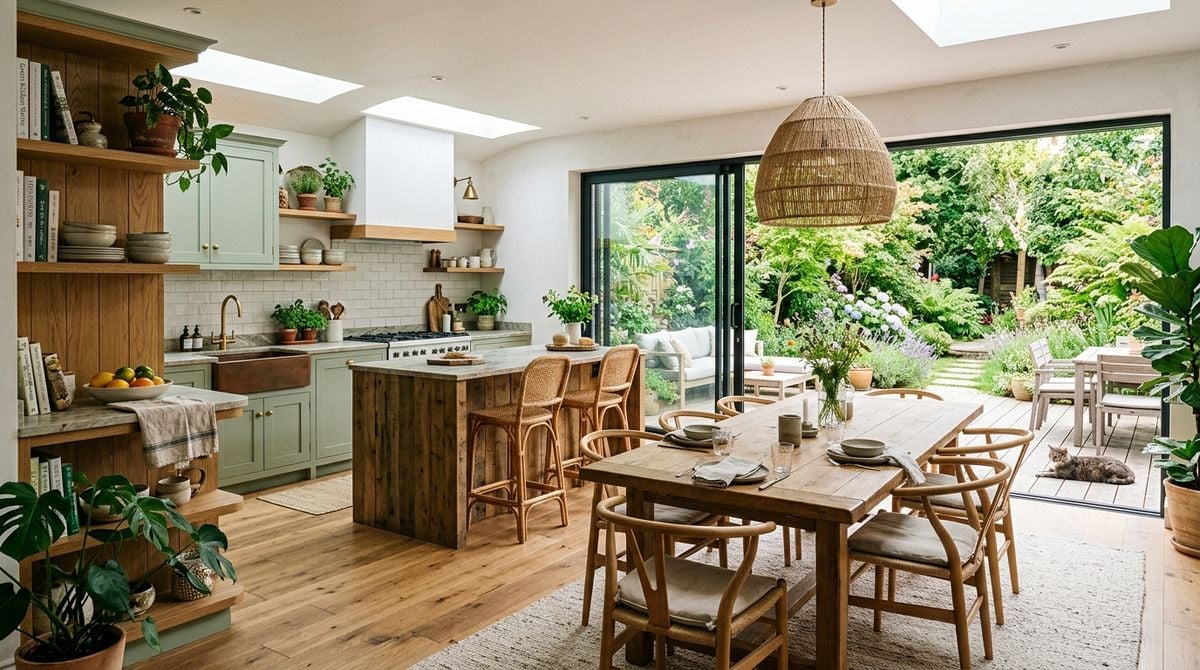
A semi-open floor plan or a spacious kitchen with a central island often provides the best balance for entertaining. The island serves as an inviting gathering station where guests can sip an aperitif and sample small bites without encroaching on your active cooking zone. It also acts as a visual shield, keeping dirty pans and prep bowls out of direct sight from the dining table.
Pay close attention to circulation paths throughout the living space. Ensure there is ample clearance around the stove, sink, and refrigerator so that you can navigate freely even if a guest walks in to refill a glass. The route from your plating station to the dining table should be wide and direct, minimizing the risk of spills when carrying hot serving platters.
Assessing Cooking Infrastructure and Appliance Power
Cooking for a crowd demands equipment that performs reliably under heavy use. Standard residential appliances can struggle to keep pace when you are preparing multiple dishes at once. When touring prospective rentals, examine the cooktop closely to determine whether it delivers sufficient heating power and precise simmer control for delicate reductions.
High-output gas ranges remain popular for their immediate visual feedback and responsive flame adjustment, while modern induction cooktops offer rapid heating and effortless cleanup after long cooking sessions. Check burner placement to confirm that multiple large pans, stockpots, and skillets can sit side by side without crowding one another off the heat source.
Oven space is equally critical when executing a timed menu for guests. While our earlier guide covered finding an apartment for serious cooks for everyday meal preparation, entertaining large groups demands an even higher level of thermal output and appliance durability. A deep, wide convection oven ensures that multiple sheet pans roast evenly without scorching, while secondary warming compartments allow you to keep finished courses warm until service.
Refrigeration requires generous capacity beyond holding your standard groceries. Entertaining requires ample shelf space for chilled glassware, rested doughs, brining vessels, and platters of chilled appetizers. An auxiliary wine cooler or beverage refrigerator is an outstanding bonus that frees up essential shelf space inside the main refrigerator for fresh ingredients.
Reviewing Building Rules and Entertaining Amenities
Living in a premier residential property often provides access to shared community spaces that expand your hospitality capabilities. Many upscale developments feature private dining rooms, community demonstration kitchens, outdoor grilling decks, and scenic rooftop terraces that can be reserved for larger gatherings that exceed your personal apartment footprint.
When reviewing premier developments and modern residential communities, researching specialized portals like Chung CU Luxury Apartment helps you compare building features, floor plans, and hospitality services across high-end buildings before you schedule a visit. Exploring these community profiles helps you identify residences that prioritize gracious living, guest hospitality, and modern convenience.
Look closely at building visitor management policies to ensure your guests have a smooth arrival experience. Properties with attentive concierge staff, streamlined digital guest passes, and dedicated visitor parking make entertaining far more enjoyable for everyone involved. Complicated visitor entry protocols can cause unwelcome delays and frustrate your guests before they even step inside.
Package handling and cold storage policies are another essential factor for passionate food enthusiasts. If you regularly order specialty meats, seasonal produce boxes, or artisan cheeses, verify whether the building management team maintains secure temperature-controlled lockers to keep perishable culinary deliveries fresh until you arrive home.
Inspecting Sound Isolation, Lighting, and Ventilation
Culinary entertaining engages all the senses, which makes ambient controls vital. High-heat pan searing, roasting, and frying inevitably create smoke, steam, and intense cooking aromas. A range hood that vents grease and vapors directly to the outside of the building is essential. Avoid rentals that rely solely on recirculating charcoal filters, as they rarely move sufficient air volume during intensive dinner preparation.
Lighting transforms a cooking workspace into an intimate dining room. Look for residences equipped with layered lighting systems, including bright under-cabinet task illumination for precision knife work and dimmable overhead fixtures above dining and seating areas. Being able to lower ambient light as courses are served helps establish a warm, relaxed mood for your guests.


Acoustic insulation is equally important for host peace of mind. Robust soundproofing between residences ensures that dinner laughter, music, and the natural clatter of cookware will not disturb your neighbors late into the evening. Thick flooring underlayments, solid-core doors, and double-pane windows contribute to a quiet, private atmosphere that feels comfortable and exclusive.
Asking the Right Questions Before Signing Your Lease
During a walkthrough, look beyond aesthetic finishes and test the practical mechanics of the space. Check water pressure at the kitchen faucet, inspect cabinet depths for oversized cookware, and assess available electrical outlets along the backsplash to ensure you can run small appliances without cluttering your prep counters.
A quick checklist to review during your in-person walkthrough includes:
- Verification that high-draw kitchen small appliances can run simultaneously without tripping breakers.
- Inspection of cabinet height and pantry depth to ensure ample storage for specialized cookware.
- Evaluation of water pressure and hot water recovery during active sink and dishwasher use.
- Confirmation of building elevator availability and freight access for catering or bulk grocery deliveries.
Before signing a rental agreement, it pays to consult comprehensive leasing resources such as Giraflat.com to better navigate landlord agreements, rental negotiations, and standard property policies. Understanding lease clauses regarding guest stays, noise expectations, and minor cosmetic customizations ensures you enter your tenancy with complete clarity and confidence.
Clarify with the property owner or leasing agent whether you are allowed to add modular kitchen enhancements, such as freestanding islands, hanging pot racks, or magnetic knife bars. Many property managers gladly permit minor, non-damaging modifications that enhance kitchen usability when discussed in advance.
Finding a luxury rental that supports your love of food and hospitality takes patience, but the rewards are immense. When your kitchen functions smoothly and your living room welcomes guests with warmth, every dinner party becomes a celebration of great cooking and shared community.