Why a pantry saves stress
A well-stocked pantry is one of the quiet foundations of a calm kitchen. When the cupboard holds a few reliable staples, a busy evening does not automatically turn into a takeaway order or a last-minute trip to the shops. Many households find that the pantry works best as a safety net, offering simple meals when time, energy or money is tight. The idea is not to hoard everything in sight but to keep a small, sensible selection that covers most ordinary cooking throughout the week.
A good pantry also reduces decision fatigue. When the basics are visible and organised, it becomes easier to decide what to cook without scrolling through endless recipes. Everyone in the household can see what is available, which means fewer duplicate purchases and fewer half-used packets pushed to the back of a shelf. Over time, the pantry becomes a practical picture of how the family actually eats, rather than how someone imagines it eats.
Choosing staples that earn their place
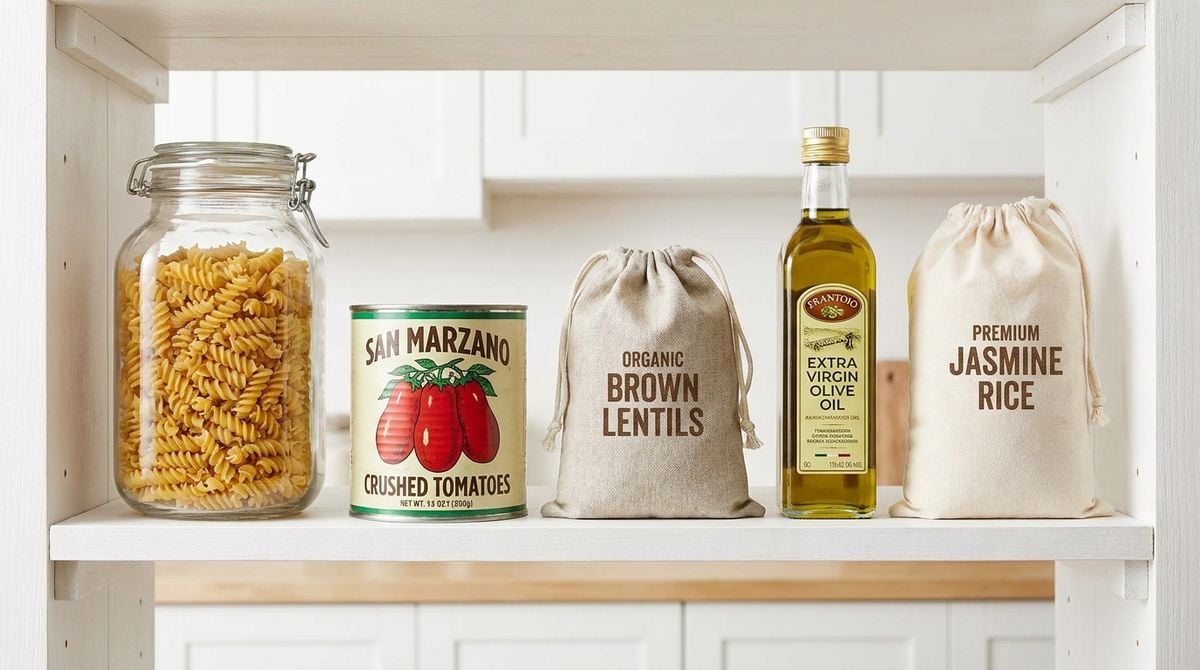
Start with ingredients that combine easily with others. Rice, pasta, oats, flour and tinned tomatoes can form the base of many meals. Add tins of beans, lentils or chickpeas for protein, and keep a jar of stock powder or stock cubes for soups and sauces. Dried herbs and spices, such as cumin, paprika, oregano and black pepper, make plain ingredients taste like different dishes. Oil, vinegar, honey and a jar of mustard are small items with a surprisingly large effect on flavour.
Choose staples that suit your own household. A family that cooks lots of noodle dishes will need different items from one that bakes bread at weekends. Look at what you actually cook over a typical fortnight and build the pantry around those meals. Avoid stocking large quantities of items that nobody enjoys, since they tend to expire quietly while the good ingredients run out. A modest, well-chosen selection is more useful than a crowded shelf of half-forgotten packets.
Organising shelves so nothing hides
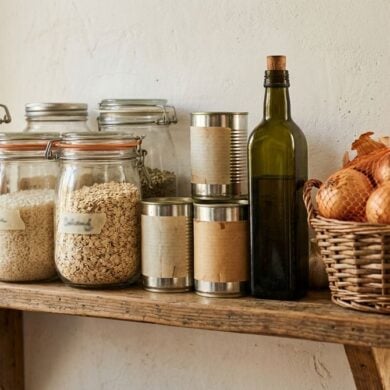
Organisation is what makes a pantry useful day to day. Group items by type, such as grains together, tins together and baking supplies together, and keep newer packets behind older ones. Clear containers help too, because they show how much is left and make it easy to spot a shortage before it becomes a problem. Labels on the front of each container save time when a family member is searching for the flour. Readers may also want to visit new-politics.net.
Place the most used items at eye level and store heavier tins on lower shelves for safety. Keep a small section for ingredients that need cool, dark storage, and make sure that anything that must be refrigerated after opening is clearly marked. A tidy shelf is easier to keep tidy, so schedule a short check once a month to remove anything past its best and wipe down the shelves while you are there.
Keeping a simple restock list
A restock list is the difference between a pantry that runs low unexpectedly and one that stays steady. Keep a note on the fridge or in a shared phone note, and add items as soon as you use the last of them. Review the list before every shop so that you buy only what you need. Many people also find it helpful to keep a short list of backup meals that use only pantry ingredients, so the household knows what can be cooked when the fridge is nearly empty.
A simple list might include:


- Tinned tomatoes, beans and sweetcorn for quick soups and stews.
- Rice, pasta and a grain such as couscous for an easy side or base.
- Oats, flour and baking powder for breakfast and simple bakes.
- Stock, herbs, spices, oil and vinegar for flavour in almost any dish.
You can also visit clipchamp for more reading. Browse a few and choose the ones your household would actually enjoy eating. Keeping the favourites on a single card makes them easier to find when everyone is hungry and tired at the same time.
If you are unsure whether a food is safe, it is better to discard it. Anyone with a weakened immune system, pregnancy or a food allergy should follow specific advice from a doctor or dietitian. This article provides general information only. For a related read on this site, see Building Vibrant Mezze Boards That Bring People Together.
Checking dates and storage
Dates matter, but they are not always as strict as they appear. Use-by dates are about safety and should be respected, while best-before dates usually indicate quality rather than safety. Check labels regularly and move items closer to the front when they are approaching their date. Store dry goods in airtight containers to prevent pests and moisture, and keep oils away from heat and direct sunlight so they stay fresh for longer.