Few styles of eating capture the warmth of good company quite like a shared platter. When friends gather around an assortment of dips, toasted breads, and crisp seasonal produce, the atmosphere instantly shifts from formal dining to an easy conversation. Instead of keeping a host confined to the hot kitchen stove, a thoughtfully assembled spread invites everyone to build their own bites at their own comfortable pace.
A traditional mezze arrangement celebrates abundance through contrast rather than culinary complexity. By pairing bright fresh vegetables with rich savory spreads, briny olives, and warm grains, you create an interactive meal that feels festive without demanding hours of advanced cooking technique. It is an approach designed to welcome casual conversation, encouraging guests to linger and share stories over simple, flavorful food.
The Philosophy of Shared Mediterranean Platters
At its core, a mezze board is far more than a simple appetizer platter. In many Mediterranean culinary traditions, these small dishes represent hospitality in its most communal form. Guests do not wait for rigid sequential courses. Instead, the entire meal unfolds at once, allowing distinct flavors and aromas to complement one another.
This communal style of eating naturally encourages mindfulness. People notice the bright fragrance of freshly chopped herbs, the cool crunch of sliced cucumbers, and the earthy richness of sesame paste or warm legumes. Because the food is passed from hand to hand, it breaks down social barriers and sparks lively conversations.
For the home cook, this philosophy relieves the pressure of orchestrating precise cooking times. Most mezze components sit comfortably at room temperature. In fact, many rustic spreads, marinated cheeses, and spiced legumes develop deeper flavor when they are not served straight from a cold refrigerator.
Balancing Colors, Textures, and Fresh Elements
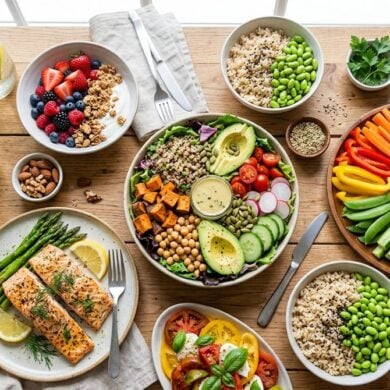
Visual appeal plays an essential role in how people experience shared food. When you arrange a board, think of it as a canvas where deep greens, bright reds, warm golden tones, and rich purples highlight the freshness of every ingredient. Placing vibrant sliced radishes next to creamy white dips or dark olives creates an immediate visual rhythm that draws the eye.
Looking at fresh design perspectives can help you reconsider how colors interact across a flat surface, much like discovering creative visual themes on Colourpop when you want to rethink standard layouts with lively hues and artistic contrasts. Translating that sense of balance to food simply means letting natural produce lead the composition.
Texture provides another layer of interest. A satisfying board needs a balance between smooth dips, chewy flatbreads, tender roasted vegetables, and crisp raw produce. If your dip is rich and velvety, pair it with crunchy seeded crackers or sliced bell peppers so each bite feels refreshing.
Acidity and saltiness also deserve careful placement. Marinated artichoke hearts, pickled turnips, capers, and citrus wedges cut through rich cheeses and dense bean spreads. Placing small dishes of lemon wedges and pickled peppers around the edges allows guests to brighten their plates to their own taste.
Coordinating Platters Across Group Gatherings
When you host a larger group, turning a mezze board into a collaborative effort makes entertaining effortless. Instead of preparing every dip, bread, and garnish alone, invite guests to bring one specific component. One household can supply warm flatbreads, another can bring fresh herbs and pickled vegetables, while you provide the core spreads and serving platters.
Clear communication ensures that you do not end up with duplicate dishes. When coordinating dishes among several households, finding straightforward digital message hubs makes communication simple, similar to browsing resources on web-bulletin.com for clean solutions that keep connected groups aligned without confusing message threads. When everyone knows their role in advance, the collaborative table comes together seamlessly.
It also helps to check dietary preferences early. The natural flexibility of a grazing board accommodates vegetarian, vegan, and gluten-free eaters easily, provided you place allergen-sensitive items, such as wheat flatbreads or dairy dips, in clearly separated bowls rather than directly on the main board.
Practical Assembly Steps for Stress-Free Serving
Putting together an impressive board does not require specialized kitchen gadgets. A large wooden cutting board, a slate slab, or even a sheet pan lined with parchment paper works beautifully. The goal is to build outward from anchor points so the spread looks generous and cohesive.
To assemble your board efficiently, follow this straightforward sequence:


- Place shallow bowls of dips and marinated items first to create stable anchor points across the board.
- Fan out warm pita triangles, crisp flatbreads, and seeded crackers in curving ribbons between the bowls.
- Fill the largest open spaces with mounds of fresh vegetables like sliced cucumbers, cherry tomatoes, and sweet peppers.
- Tuck clusters of grapes, dried figs, or roasted nuts into the remaining gaps for visual richness.
- Drizzle olive oil over the dips and scatter chopped mint or parsley over the top for a fresh finish.
If you want to keep prep minimal before guests arrive, look back at our earlier guide on preparing homemade snacks for restless afternoons to gather quick prep ideas that transition easily into platter additions. Making roasted chickpeas or seasoned pita crisps ahead of time frees up kitchen counter space during the final assembly.
Keep a basket of extra bread and a backup container of sliced vegetables in the kitchen. As guests enjoy the spread, you can quickly replenish empty spaces without rebuilding the arrangement from scratch.
Encouraging Connection Around the Table
The true joy of a shared platter lies in how it transforms the social dynamic of a gathering. Rather than sitting in assigned chairs, people naturally gather on their feet, lean in to sample a dip, and exchange recommendations about flavor combinations. Food becomes an effortless icebreaker that gets people talking.
To make the experience comfortable, ensure guests have small side plates, cloth napkins, and individual serving spoons for each dip and bowl. This keeps grazing sanitary and comfortable, letting guests return to the table whenever they want another bite.
By shifting your focus from elaborate multi-course meals to abundant, colorful boards, you create an inviting atmosphere where good food and genuine company thrive together. The table becomes a shared celebration of simple ingredients, vibrant colors, and unhurried conversation that everyone can enjoy.