Cooking is a profound life skill that extends far beyond the final plate. By inviting younger family members into the kitchen, you are providing them with an essential toolkit for independence, nutrition, and creative problem-solving. This process is not merely about teaching recipes but about building a relationship with food that lasts a lifetime. When children are encouraged to explore ingredients, understand textures, and master simple techniques, they gain a sense of agency that transforms their view of daily nourishment.
The Foundations of a Culinary Education
Before introducing complex tasks, it is crucial to establish a groundwork built on observation and safety. Start by involving young learners in the planning phase. Discussing meal ideas, looking at ingredient labels, and understanding the origin of the produce you use can turn a simple trip to the grocery store into a lesson in agriculture and nutrition. This foundational stage prioritizes building enthusiasm and familiarity without the pressure of achieving a perfect result.
Creating a safe environment is the next priority. Teaching the importance of workspace organization, knife safety, and temperature awareness is non-negotiable. By modeling these habits consistently, you instill a respect for the kitchen that will keep them safe as they gain confidence. Consistency in how you approach organization and cleanliness will help them internalize these vital habits naturally.
Designing Age-Appropriate Kitchen Lessons
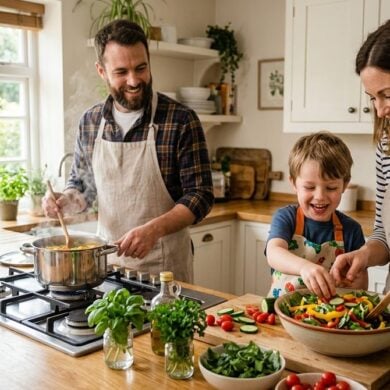
The complexity of tasks should evolve alongside the learner. Begin with foundational skills such as washing vegetables, tearing herbs, or measuring ingredients. As they master these, gradually introduce more demanding tasks such as whisking eggs or assembling basic salads. When you are structuring these lessons, it is important to emphasize preparation, including ensuring they are dressed appropriately for the task at hand.
For example, you might reference earlier guidance on practical attire for changing kitchen seasons, as teaching a young person to be comfortable and safe in their clothing is an essential part of the professional mindset. Whether it is adjusting for the heat of summer or ensuring sleeves are secure during cooler months, dressing for the kitchen helps them understand that cooking is an activity that requires preparation, intentionality, and respect for the environment.
Always frame lessons in a way that allows for success. A small, manageable victory, such as peeling a carrot or mixing a simple vinaigrette, builds the confidence required to tackle more challenging dishes later. The goal is to make the kitchen a place of discovery rather than a space that feels intimidating or overly restrictive.
Integrating Learning into Daily Meal Prep
Integrating educational concepts into daily routine is the most sustainable approach to long-term skill development. Rather than treating cooking as an occasional, elaborate project, try to find small ways to incorporate your younger assistants into everyday tasks. This regular engagement helps normalize cooking and makes it a seamless part of their understanding of how they take care of themselves and others.
When you encounter questions about nutritional needs or the science behind a cooking process, take the time to look for answers together. Parents often turn to resources like Ilearnuk.com for guidance on how to support their children’s learning journey in many areas of life, and applying this same inquisitive spirit to culinary education can be incredibly rewarding. It fosters a habit of seeking knowledge and understanding the “why” behind the “what” in their culinary endeavors.
Essential Tips for Success
- Assigning age-appropriate roles that match their current capability.
- Focusing on kitchen hygiene at every stage of the process.
- Allowing mistakes to happen as they are part of learning.
- Encouraging sensory exploration of ingredients before cooking.
- Keeping the overall experience lighthearted and enjoyable.
Fostering a Growth Mindset in the Kitchen
A growth mindset is the belief that skills can be developed through dedication and effort. In the context of cooking, this means embracing the idea that even if a dish does not turn out perfectly, the process of making it was valuable. Encourage young learners to analyze why a result might have differed from expectations and what they might adjust next time. This mindset helps reduce the fear of failure and promotes a long-term interest in culinary exploration.


Praise the effort and the process rather than just the final product. Focusing on their growth, such as improvements in chopping precision or better understanding of seasoning, helps them value their own progress. When they recognize that improvement takes patience, they develop the discipline necessary for mastery. This perspective shift is beneficial for both the cook and the food itself, as it leads to more thoughtful and deliberate cooking.
Resources for Expanding Culinary Knowledge
As their interest grows, you may find that they want to explore culinary concepts in greater depth. Providing access to a variety of resources, from cookbooks and online guides to local classes, can provide the inspiration they need to keep learning. It is helpful to treat culinary education as a continuous journey, one that evolves as their tastes, interests, and capabilities change over time.
There are many places to find guidance and inspiration for lifelong learning, and resources such as canisiuscampus.net can be invaluable for those seeking to broaden their horizons. By demonstrating that learning is a lifelong pursuit, you encourage your younger family members to take ownership of their own development. This approach transforms cooking from a chore into a sophisticated, enjoyable skill set that they will carry with them into adulthood.
Ultimately, the culinary environment you create at home is a powerful tool for personal development. By prioritizing patience, safety, and a spirit of inquiry, you are giving the next generation the ability to nourish themselves and their communities. The time invested in these shared experiences is not just about the food, but about the bonds formed and the lessons learned that will inform their approach to challenges throughout their lives.