A home cook sets up a bowl of pasta on a wooden table and wants the photo to show a relaxed, stylish scene. The sleeve of a striped shirt catches the light, a bright apron clashes with the sauce, and the final picture looks busy rather than inviting. The food is fine, but the clothing has stolen the attention.
Clothing can add personality to a recipe post, yet it can also distract from the dish. Food creators who include people in their photos often make predictable choices about color, pattern, and fit. This article looks at those mistakes and offers simple ways to keep the focus on the meal, from the first test shot to the final edit.
Choosing Patterns That Compete With the Food
Bold stripes, loud florals, and tight geometric prints pull the eye away from the plate. Food photos work best when the clothing supports the colors of the dish rather than fighting them. Plain fabrics in soft tones often make the meal look more appetizing, especially when the recipe includes greens, golden crusts, or bright fruit.
Readers may also want to visit montefeltro.net. Test a few outfits against the same recipe before you commit to a full shoot. A simple side by side comparison will show which combinations help the dish stand out. Keep notes on what worked so the next shoot starts from a stronger point.
Ignoring Fabric Texture Under Light
Shiny satin, crisp cotton, and nubby knits react differently to kitchen lighting. Shiny fabric can reflect a flash, while thick knits may hide the shape of a hand holding a spoon. Pick textures that look good in both window light and artificial light, since most home kitchens combine the two at different times of day. Notice how the fabric looks at breakfast and again at dinner, because kitchens change quickly across a day.
A few test shots taken at the same time of day as your real shoot can reveal problems early. Keep a few spare outfits on hand in case a test reveals a clash. Check the highlights on each fabric, then adjust the garment or the camera angle before the final session. Small changes at this stage save a great deal of editing later. Save each test image in a folder so you can compare them side by side. You can also visit Morskoiboy.com for more reading.
Forgetting the Cropping Frame
A photo that crops at the shoulder may show a sleeve that looks cut off, while a wide frame may reveal a stain or a wrinkle near the hem. Decide the framing before choosing the outfit, then pick clothing that looks tidy from every angle the camera will cover. The frame and the wardrobe should be planned together. Sketch the shot before dressing, so the outfit supports the framing from the start.
For a related read on this site, see Mistakes Cooks Make When Buying Work Trousers. The examples are useful even for a simple two person scene. Those guides often explain how to balance clothing and background so that the person and the plate feel like parts of one scene.
Wearing Clothes That Look Fussy in the Kitchen
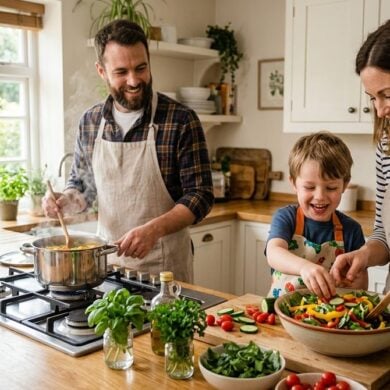
Long dangling sleeves, scarves, and jewelry can end up in a sauce or near a flame. Even when the shot looks lovely, that habit is risky. Choose fitted sleeves, simple accessories, and an apron that sits neatly without covering the main dish. Clothing that stays out of the way makes the cooking itself safer and the photos more natural. A cook who feels comfortable is also more likely to smile and move naturally in front of the lens.


Keep spare fabric pinned back while cooking, and remove rings before handling dough or wet ingredients. Roll sleeves above the wrist before you wash your hands for a shoot. A tidy setup makes the photo session calmer and gives the cook more freedom to move, which shows in relaxed, believable poses.
Using Clothing That Does Not Match the Recipe
A rustic soup photographed with a formal blazer can send mixed signals about the dish. Match the outfit to the style of the meal, whether that is a casual brunch, a holiday table, or a simple weeknight supper. The clothing should feel like it belongs in the same story as the food.
Consistent styling across a series of posts helps readers recognize a creator’s look. Keep a small set of approved pieces so each shoot feels connected, and rotate them so the feed does not feel repetitive. A short written list of approved items makes shopping for new pieces easier. A steady style builds a loyal audience over time. Readers who recognize the look often return for new recipes with confidence.
Letting the Food Lead the Frame
Clothing should support a recipe photo, not compete with it. Choose calm colors, textures that read well under light, and fitted pieces that stay clear of the stove. Pack a backup layer in case the shoot runs long. Test the look before the shoot, and let the meal remain the star of the picture from the first glance to the last.