Anyone who has stood at a grill for a full dinner service knows that clothing decisions matter as much as knife skills. The kitchen can swing from a cold walk-in to a flat top that throws heat across the room, and a shirt that looked crisp at the start of the shift can be damp and stained by midnight. Choosing the right gear makes the long hours easier on the body and the uniform.
This article is written for cooks, prep staff and anyone starting a career in a professional kitchen. It offers general advice on fashion and workwear, not safety certification or medical guidance. Always follow your employer’s uniform policy, and check local rules on food handling clothing before you buy anything.
Choose footwear that handles spills and long hours
Start with shoes, because feet carry the whole shift. Look for closed toes, a non-slip sole that grips wet tile and a firm heel counter that keeps the foot stable. Many cooks pick a pair with a removable insole so they can dry or replace it between shifts.
Break in new shoes during quieter days, not on the first busy Friday. Wear a pair of thin socks that wick sweat, and change them halfway through a double shift if you can. Readers may also want to visit quickstartmoneysite.com.
Build layers that breathe near the heat
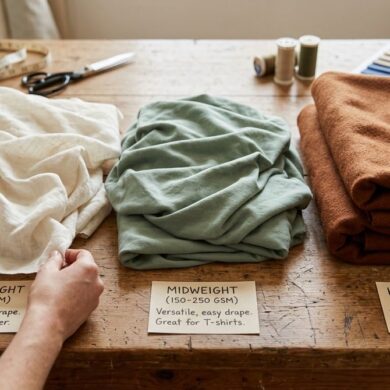
Kitchen shirts usually need to be light, breathable and easy to wash at a high temperature. Cotton blends hold their shape well, while some synthetic fabrics trap heat and odor more readily. Keep one long-sleeved layer in the locker in case the walk-in or the loading dock turns cold during a delivery.
Pair the shirt with trousers that move with you when you reach for a high shelf or bend at a low drawer. Dark colors hide small splashes better than light ones, although they can show lint and flour. Rotate at least three sets of clothing so one wash cycle does not leave you without a clean option. You can also visit Instantpaydayloansoh.com for more reading.
Pick aprons, sleeves and head coverings with care
An apron protects the front of the body from oil, sauce and hot splatters. Choose one with a sturdy neck strap and ties long enough to fit over a jacket. Some kitchens prefer bib aprons with pockets, while others use shorter waist aprons for speed.
Sleeves and hair need the same attention. Roll sleeves above the wrist only if the workplace allows it, and keep a band or cap on long hair so it stays out of the food. For a related read on this site, see Mastering Ingredient Longevity: A Strategic Approach to Kitchen.
Keep the uniform clean and rotate the gear
A clean uniform signals respect for the food and the team, so wash items after every shift when possible. Follow the care label, use hot water for cotton blends and dry on a rack where the fabric may shrink. Replace any shirt that has thin patches, loose buttons or stains that will not lift.
Keep a small bag with spare socks, a towel and a stain stick in the locker. Check the apron for tears before each shift, since a split strap can cause a serious spill. Good habits like these look professional without requiring a large budget.

Hot kitchens also make hygiene habits important. Wash hands and forearms after handling raw meat, and keep a clean towel within reach of the station. Clothing that stays clean reduces the chance of carrying dirt into the food area. Follow the kitchen’s rules for changing uniforms during a shift.
Finally, plan for the commute. A cook who leaves in damp clothes may feel chilled on the drive home. Keep a warm jacket in the car and a dry pair of shoes in a bag. A small routine at the end of a shift helps the body recover so the next service feels less tiring.
Consider the staff meal as well. Eating at a shared table can be a good time to check whether the uniform has held up through a long week. A quick look at each other’s aprons and sleeves helps the team stay neat without any lecture. Small checks like these build pride in the kitchen and keep everyone comfortable.
A uniform that works as hard as you do
Comfortable shoes, breathable layers and a secure apron help you finish a busy shift with energy to spare. Choose gear for the heat you actually work in, rotate it carefully and keep it clean. A thoughtful kitchen wardrobe can make every service feel a little more manageable.