Cooking nourishing meals that support regular workouts, active hobbies, and steady daily energy often gets misunderstood as an expensive lifestyle reserved for specialty health food shoppers. Glossy fitness magazines frequently promote exotic superfood powders, pricey pre packaged protein bars, and imported supplements that stretch grocery bills unnecessarily. In truth, human muscles and energy systems run best on straightforward, minimally processed whole foods found on the lower shelves of any standard supermarket.
Mastering a handful of simple batch cooking techniques and smart pantry combinations delivers clean protein, slow burning carbohydrates, and healthy fats for pennies per serving. When active cooks treat their kitchen as the primary training tool, meal prep becomes faster, tastier, and far kinder to the wallet. Building versatile base ingredients each week keeps nutrient dense fuel ready whenever hunger strikes after a long run, gym session, or busy workday.
Stocking a High Performance Pantry With Affordable Staples
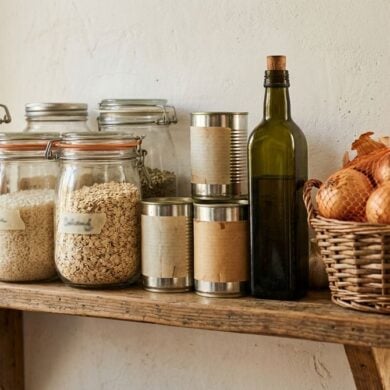
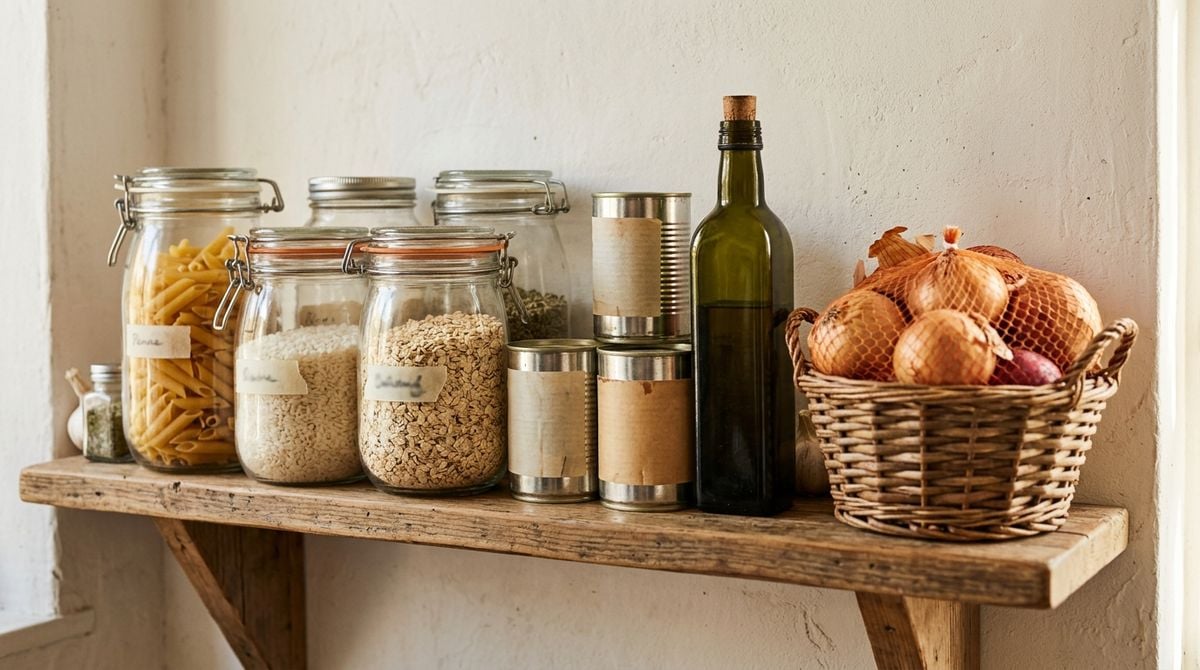
A well stocked pantry built around humble dry goods forms the backbone of budget friendly athletic nutrition. Rolled oats, brown rice, dried lentils, black beans, chickpeas, and whole wheat pasta deliver sustained glycogen energy along with fiber and essential minerals at a fraction of boxed convenience foods. Buying dry grains and legumes in bulk bags and storing them in clean glass jars keeps meal costs remarkably low while extending shelf life for months.
Eggs, canned sardines, canned tuna packed in water, plain Greek yogurt, and cottage cheese provide complete, bioavailable protein without paying butcher counter premiums. Peanut butter, sunflower seeds, flaxseeds, and extra virgin olive oil supply calorie dense healthy fats that support hormone balance and joint recovery. Frozen vegetables like spinach, broccoli florets, peas, and mixed berries are picked at peak ripeness and cost far less than out of season fresh produce while retaining full nutritional value.
* Cook a large pot of brown rice or quinoa on Sunday to anchor grain bowls, stir fries, and quick wraps all week.
* Simmer dried lentils with garlic, cumin, and diced tomatoes for a hearty, protein rich stew that freezes well.
* Keep hard boiled eggs peeled and chilled in a covered bowl for instant grab and go post workout recovery snacks.
* Blend frozen bananas with rolled oats, peanut butter, and milk for thick, nutrient packed recovery smoothies.
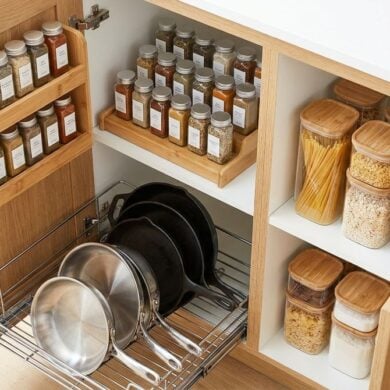
Organizing pantry staples clearly makes throwing together balanced meals effortless even when tired after evening exercise. Readers may also want to visit newspanel.org.
Batch Cooking Techniques That Save Time and Prevent Takeout
Exhaustion after a hard training session or long shift is the number one reason active people cave in to expensive delivery apps. Spending ninety minutes twice a week prepping versatile building blocks ensures a balanced plate hits the table in under ten minutes on busy nights. Roasting two sheet pans of diced sweet potatoes, carrots, zucchini, and chicken thighs at once fills the kitchen with rich flavor while creating four to six ready to assemble meals.
Using a slow cooker or heavy Dutch oven turns tougher, budget friendly cuts of meat or dried beans into tender, deeply flavorful shredded proteins overnight or while you work. Seasoning base proteins simply with salt, pepper, garlic, and olive oil lets you transform leftovers easily across different cuisines throughout the week. Monday’s roasted chicken and rice becomes Tuesday’s warm burrito bowl with black beans and salsa, and Wednesday’s hearty vegetable soup.
Packing pre portioned recovery containers right after cooking prevents overeating and guarantees lunches are ready to grab on the way out the door. You can also visit Product Items for more reading.


Crafting Homemade Hydration Drinks and Workout Snacks
Commercial sports drinks, energy gels, and individually wrapped snack bars carry massive markups for simple combinations of sugar, salt, and oats. Mixing a homemade electrolyte refresher takes thirty seconds using cold water, a splash of pure orange or tart cherry juice, a squeeze of fresh lemon, and a small pinch of sea salt. This clean, balanced drink replenishes sodium and potassium lost through sweat without artificial dyes or excessive syrups.
No bake energy bites made from rolled oats, natural peanut butter, a drizzle of honey, ground flaxseed, and dark chocolate chips pack easily into small reusable containers for long hikes or bike rides. Toasting spiced chickpeas in the oven until crunchy creates a savory, portable snack loaded with plant protein and crunch. Baked oat bars mashed with ripe bananas and cinnamon freeze individually so you can pull out clean fuel whenever needed.
Testing homemade snacks during routine training days ensures your stomach handles every ingredient comfortably before big events or long outings. For a related read on this site, see A Post Workout Hydration and Recovery Meal Prep.
Smart Produce Shopping and Zero Waste Kitchen Habits
Maximizing nutrients per dollar means shopping seasonally and using every edible part of fresh produce. Cabbage, carrots, yellow onions, russet potatoes, apples, and bananas stay affordable year round and hold up well in the crisper drawer without spoiling quickly. Whole heads of romaine or green cabbage cost far less per ounce than pre washed bagged salads and stay crisp twice as long in the refrigerator.
Saving vegetable trimmings, onion skins, herb stems, and chicken bones in a freezer bag lets you simmer rich, mineral dense bone or vegetable broth completely free once the bag fills up. Stirring wilted spinach or leftover roasted vegetables into morning scrambled eggs or savory oatmeal prevents food waste while boosting micronutrient intake effortlessly. By combining smart pantry staples, batch cooking, and zero waste habits, any active household can eat like an athlete on an everyday grocery budget.