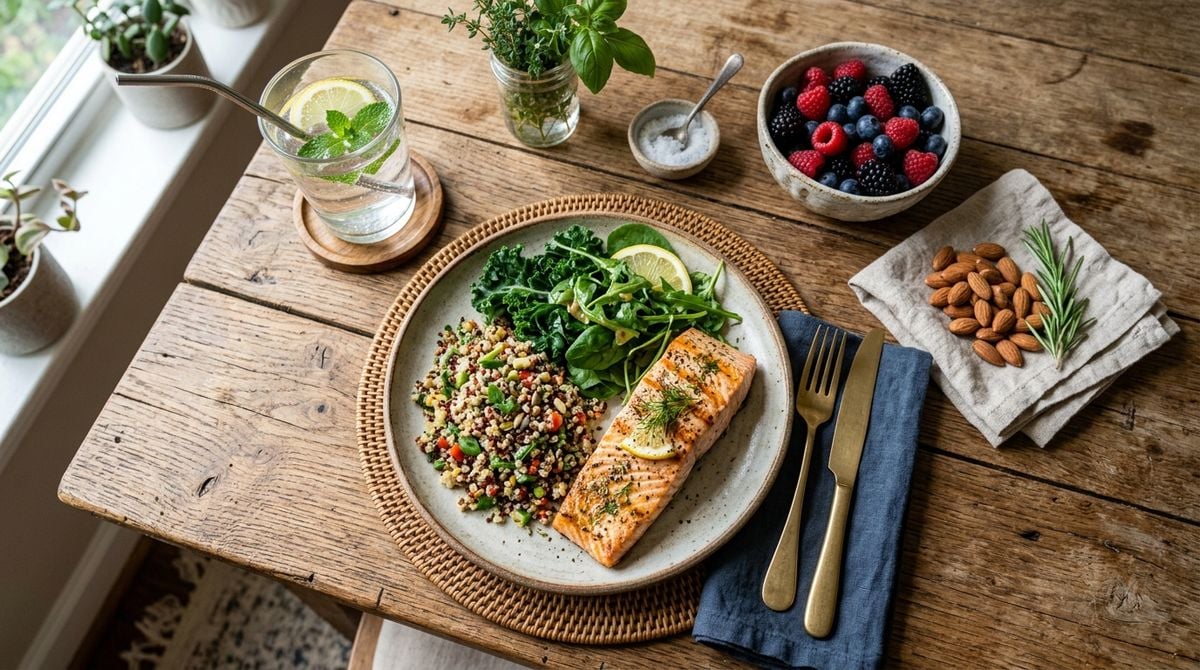
Cooking nourishing meals at home gives active individuals, weekend runners, and recreational athletes total control over ingredients, portion sizes, and seasoning. Yet many enthusiastic home cooks who exercise regularly accidentally undermine their stamina, muscle recovery, and digestive comfort through timing and preparation mistakes in the kitchen. Eating heavy high-fat meals right before workouts, skipping post-exercise protein and carbohydrates, or over-relying on ultra-processed energy bars instead of simple whole foods leaves active bodies feeling sluggish or chronically sore. Matching home cooking habits to training schedules unlocks steady energy and faster recovery without complicated diets.
Kitchen nutrition for active lifestyles relies on smart timing, simple digestible pre-workout fuel, and balanced post-workout plates. Looking closely at common culinary missteps helps food-loving fitness fans cook smarter around every workout.
Cooking Heavy High-Fat or High-Fiber Meals Right Before Exercise
Preparing a rich creamy pasta, cheesy omelet, or giant raw kale and bean salad forty-five minutes before a run, swim, or strength session diverts blood flow straight toward heavy digestion. Fat and dense insoluble fiber slow stomach emptying dramatically, triggering uncomfortable cramping, acid reflux, and heavy legs once movement begins. Scheduling rich, slow-digesting meals at least three hours before intense workouts keeps stomachs light and comfortable.
When heading out for an early morning workout with only thirty minutes to spare, choosing simple, easily digestible carbohydrates—such as ripe banana slices on toast, a small bowl of plain oatmeal, or applesauce—delivers quick, clean fuel without digestive friction. Readers may also want to visit scheels. Keeping pre-workout snacks modest and familiar avoids unpleasant surprises during hard efforts.
Waiting Hours After Workouts to Eat Balanced Recovery Meals
Finishing a tough afternoon workout, showering, answering messages, and waiting three hours until late dinner misses the prime window when tired muscles eagerly absorb nutrients to rebuild glycogen stores and repair tissue. Delaying post-exercise nourishment leaves energy dragging all evening and increases next-day muscle soreness. Preparing a balanced recovery meal or substantial snack containing both quality protein and complex carbohydrates within an hour after finishing exercise speeds recovery noticeably.
Relying solely on a plain protein shake while omitting healthy carbohydrates represents another frequent recovery mistake in active kitchens. You can also visit Digitallard.com for more reading. Cooking extra batches of quinoa, roasted sweet potatoes, and seasoned proteins on Sunday makes post-workout assembly effortless all week.
Under-Salting Homemade Meals During Heavy Sweat Seasons
Home cooks proud of avoiding salty restaurant takeout occasionally go too far in the opposite direction, cooking completely salt-free meals while sweating heavily during summer runs or hot studio classes. Sodium plays a critical role in fluid balance, nerve signaling, and preventing painful muscle cramps during prolonged exercise. Adding a sensible pinch of sea salt to post-workout soups, roasted vegetables, or grain bowls—paired with potassium-rich foods like potatoes, bananas, and leafy greens—replaces lost electrolytes naturally through real food.
Forgetting steady hydration throughout the day until thirst hits during warm-up also degrades endurance quickly. For a related read on this site, see Bringing Global Perspectives Into Your Daily Home Cooking. Sipping steadily between meals keeps cells hydrated before workouts even begin.


Overcomplicating Weeknight Cooking Until Exhaustion Leads to Takeout
Designing elaborate ninety-minute gourmet recipes for Tuesday nights after intense evening workouts almost always ends in staring at dirty pans in exhaustion and ordering greasy delivery instead. Keeping five fast, twenty-minute one-pan recovery recipes in rotation guarantees nourishing homemade dinners happen easily even on tired training nights.
Ignoring Iron, Calcium, and Healthy Anti-Inflammatory Fats in Weekly Menus
Focusing narrowly on chicken breast and plain white rice while neglecting colorful berries, leafy greens, fatty fish, walnuts, olive oil, and legumes deprives active joints and muscles of vital micronutrients. Rotating vibrant seasonal produce and healthy fats across weekly meal plans supports long-term joint comfort and immune resilience.
Cooking Simple Meals That Fuel Strong Performance
Supporting an active lifestyle from your home kitchen comes down to smart meal timing, balanced recovery plates, sensible electrolyte seasoning, and practical weeknight simplicity. By keeping pre-workout snacks light, refueling promptly with protein and carbs afterward, and batch-prepping whole staples, home cooks turn everyday food into dependable athletic fuel. Delicious home cooking makes every workout feel stronger.