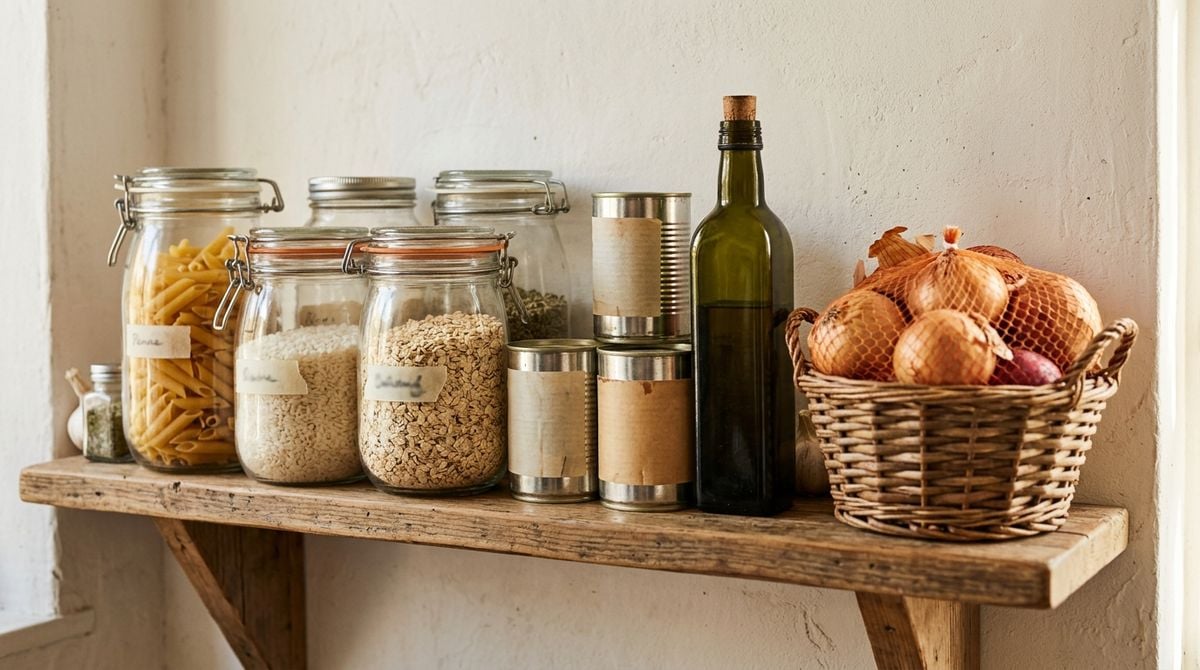
Leftovers are one of the most useful resources in a single-person kitchen. They provide an easy lunch, a quick dinner or a ready meal on a busy day. However, leftovers also carry food safety risks if they are cooled, stored or reheated incorrectly. A small kitchen can make these habits harder to manage, because fridge space is limited and food is often left out on the worktop while you clear up. This article explains general food safety principles for leftovers and offers practical ways to handle them confidently.
Cool food promptly after cooking
The period after cooking is when food is most vulnerable. Do not leave hot dishes on the worktop for long periods while you eat or wait for them to cool. Divide large portions into shallow containers, which allow heat to escape more quickly than a deep pot. Cover the containers once they are cool to the touch, and place them in the fridge. Many food safety guides advise refrigerating leftovers within a couple of hours of cooking, so it is sensible to plan ahead rather than leaving the pan out after dinner.
Store leftovers in the right place
Your fridge should be cold enough to slow the growth of bacteria. Keep leftovers on a shelf rather than in the door, where temperatures fluctuate more. Store cooked food above raw meat, so that any drips cannot contaminate the cooked dish. Use clean, airtight containers and label them with the date. Do not overfill the fridge, because air needs to circulate for cold temperatures to be maintained. If your fridge has a thermometer, check it occasionally to confirm it is working properly.
Readers may also want to visit hunbaba.com. Checking these guides periodically can refresh your knowledge and help you make safer choices.
Know how long leftovers last
Storage times vary by food type, so it helps to keep a simple reference. Cooked rice, pasta and meat dishes should be eaten within a short period after refrigeration, while soups and stews may keep a little longer. Use your senses as an extra check, but do not rely on smell or appearance alone, because some harmful bacteria do not change how food looks or smells. When in doubt, throw the leftovers away rather than taking a risk. For specific guidance, consult the official food safety advice for your country.
Reheat until steaming hot
Reheating is the step that makes leftovers safe to eat again. Heat the food thoroughly until it is steaming hot all the way through, stirring to spread the heat evenly. Use a food thermometer if you have one, and check the centre of the portion. Reheat only the amount you plan to eat, because repeated reheating and cooling can increase risk. Avoid reheating food more than once, and never leave reheated food out to cool slowly on the counter for later.
Handle rice and eggs with care
Some foods need extra attention. Cooked rice should be cooled quickly, refrigerated promptly and reheated until piping hot, because certain bacteria can survive cooking. Eggs should be stored in the fridge once they are cooked, and leftover egg dishes should be eaten within a sensible period. Cooked meat, fish and dairy-based sauces also need prompt chilling. These principles apply whether you are cooking for one or for a family, so it is worth learning them well.
A simple leftover checklist
Use this short checklist whenever you store or reheat leftovers:


- Cool the food quickly by dividing it into shallow containers.
- Refrigerate it promptly, ideally within a couple of hours of cooking.
- Label each container with the name of the dish and the date.
- Keep the fridge clean and organized so air can circulate.
- Reheat until steaming hot, and eat only what you need.
If you have a weakened immune system, are pregnant or live with a health condition, follow the specific advice from your health professional, as the general guidance may not fit your situation. You can also visit tgdailynews.com for more reading. Keep the links bookmarked for quick reference.
For a related read on this site, see Writing a Grocery List for One Person. Always defer to the official guidance where you live, because local recommendations are the most reliable source.
Good food safety habits do not require a large kitchen or special equipment. They rely on cooling food promptly, storing it carefully, reheating thoroughly and being honest when something seems wrong. When you live alone, it can be tempting to leave food out or to eat questionable leftovers rather than waste them. A small, consistent routine protects your health and makes leftovers a reliable part of your week.