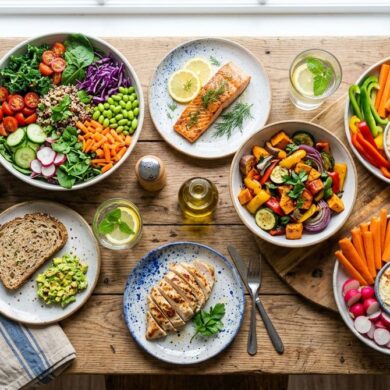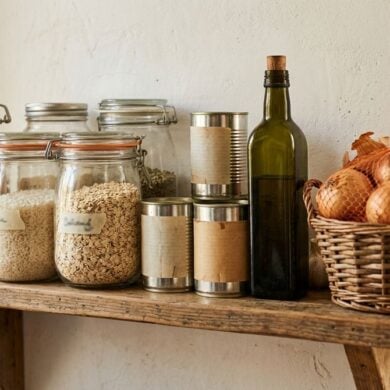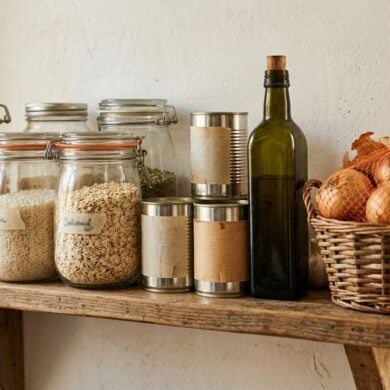
A nearly empty produce drawer does not have to lead to an unbalanced or confusing dinner. A pantry meal works best when it is assembled around roles: a substantial base, a source of protein or richness, vegetables in a shelf-stable form, and a flavorful finish. This approach is flexible enough for tired evenings and specific enough to prevent a random collection of cans from becoming dinner.
Take inventory before choosing a dish
Look through cupboards, the freezer, and the refrigerator before searching for recipes. Bring older items to the front and check dates, packaging condition, and storage instructions. Do not use bulging, leaking, badly damaged, or otherwise questionable packages. If you are uncertain about food safety, discard the item rather than relying on smell or taste.
Write available foods under broad headings: grains and starches, beans or other protein foods, vegetables, sauces, and finishes. Readers may also want to visit World Fastest Motorcycle.
Remember overlooked ingredients such as frozen peas, jarred roasted vegetables, dried mushrooms, canned tomatoes, long-life milk, and onions stored appropriately. A small fresh ingredient can still have a large effect; one lemon, a few herbs, or a crisp piece of fruit may provide the contrast the meal needs.
Build from a simple formula
Choose one base and one main flavor direction. Pasta with tomatoes and beans is coherent; pasta with several unrelated sauces is not. A grain bowl, soup, baked potato, flatbread, or egg dish can absorb pantry ingredients without requiring every category to be full.
Use one of these adaptable structures:
- Grain plus beans, vegetables, and a bright dressing.
- Pasta plus a vegetable-rich sauce and a crisp topping.
- Soup built from stock, pulses, tomatoes, and seasoning.
- Baked potatoes topped with beans, tinned fish, or seasoned vegetables.
- Eggs with frozen vegetables, toast, and a simple side.
Adjust for dietary needs and use ingredients suitable for everyone eating. If a pantry item contains allergens, check the label each time because formulations can change.
Create freshness through contrast
Shelf-stable food can taste heavy when every component is soft and similarly seasoned. Add contrast with toasted breadcrumbs, nuts or seeds where appropriate, crisp crackers, pickles, citrus, vinegar, or a quick raw garnish from whatever remains. Browning tomato paste or spices briefly can also deepen aroma, provided they do not burn.
Use salt cautiously because canned vegetables, stock, condiments, and cheese may already contribute plenty. Drain and rinse ingredients when suitable. Taste the combined dish before correcting it. You can also visit moto-champ.net for more reading.
If the dish seems thin, simmer it to reduce or mash some beans into the liquid. If it feels stodgy, add acidity and a little hot cooking water rather than more rich ingredients. If it lacks aroma, finish with herbs, spices warmed gently in oil, or grated zest.


Restock from the meal backward
After dinner, note which pantry items made the meal work and which category was missing. A practical reserve is built from repeatable meals, not from buying every long-life product available. If your household regularly enjoys lentil soup, keep its core ingredients. If nobody chooses a particular grain, stop storing it out of aspiration.
For a related read on this site, see How to Set Up Your Vehicle for Safe. Rotate the reserve so older food is used first, and replenish only after checking existing stock.
Pantry planning is not about preparing for every scenario. It is about maintaining enough compatible ingredients to make a satisfying meal when shopping is delayed. With a clear formula and a few contrasting finishes, an ordinary cupboard can support dinner without waste or last-minute panic.
Keep the pantry visible enough to manage. Store matching items together, face labels outward, and avoid stacking so deeply that older packages disappear. When making a shopping list, check each category rather than assuming a staple is missing. A simple “one open, one spare” rule may suit frequently used basics, while occasional ingredients need no backup. Review the cupboard before travel or schedule changes so perishable companions can be used with the shelf-stable foods. This quiet maintenance makes the emergency-style dinner less exceptional: it becomes one reliable option within normal household cooking.
Post the three easiest meal formulas inside the cupboard door. On a demanding evening, that visible reminder is more useful than a large recipe collection. Leave room to substitute within each role, and note the finishing ingredient that makes the combination feel complete.