For passionate home cooks, nothing matches the thrill of discovering exceptional ingredients directly at their source. Wandering through an orchard at peak harvest, tasting raw-milk cheese at a family dairy, or picking up freshly stone-ground flour from a historic gristmill transforms how we understand flavor. A dedicated food road trip lets you explore distinctive regional specialties that rarely make it to ordinary supermarket shelves. These rural journeys connect our kitchens directly to the landscape and the artisans who cultivate it.
Traveling beyond suburban grocery aisles requires a different mindset than embarking on an ordinary weekend vacation. When your vehicle serves as a mobile larder for raw honey, heirloom tomatoes, cultured dairy, and smoked provisions, thoughtful preparation is essential. Balancing driving logistics with temperature control ensures that your culinary treasures make it back to your kitchen in prime condition.
Mapping Your Route Around Seasonal Harvest Trails
The best food journeys start with geography and seasonality. Rather than planning your route strictly by major highway exits, look for established agricultural corridors, scenic valley byways, and designated county food trails. Research independent farm stands, small-batch vinegar makers, and cooperative orchards ahead of time, keeping in mind that many rural producers operate on seasonal schedules determined by harvest cycles.
Reaching out in advance or checking regional grower directories helps you build a sensible daily itinerary. Rural destinations are often spread out across winding mountain passes and unpaved country roads that require moderate driving speeds. Allowing generous travel windows between stops ensures you never feel rushed while talking with growers about their heritage varieties or sampling fresh cider at a roadside press. Unplanned roadside fruit stands often provide the most memorable discoveries, so building flexibility into your schedule is well worth the effort.
Navigating remote rural routes also means preparing for changing terrain, uneven gravel lanes, and intermittent cellular reception. Consulting general automotive resources like Angkor Car Guide gives you practical insight into handling diverse road conditions and keeping your vehicle steady throughout rural excursions. Understanding vehicle readiness allows you to venture down remote farm roads with complete confidence and focus on your culinary stops.
Preparing Your Vehicle for Sourcing Expeditions
A successful foraging excursion depends heavily on the condition of your conveyance. Spending long days on the road with a trunk full of perishable culinary treasures means mechanical reliability must be a priority before departing. Simple preventative checks on tire pressure, fluid levels, cabin air filtration, and brake responsiveness protect both your travel schedule and your edible investments.
Clear out your vehicle interior completely before packing your food containers. A clean passenger cabin and trunk provide adequate airflow, which prevents heat buildup around sensitive foods. Setting up a dedicated storage zone behind the front seats or across a flat cargo deck keeps heavy storage crates from shifting during steep climbs or sharp turns. Lining the cargo floor with heavy canvas or a washable rubber mat also makes cleaning up stray soil, moisture, or spilled ice effortless at the end of each travel day.
Long highway stretches through unfamiliar regions also introduce unpredictable travel variables, from sudden weather changes to unexpected road construction. Reviewing your roadside assistance options and maintaining dependable Automobile Insurance ensures you have essential peace of mind while traveling far from home. When vehicle protection is handled ahead of time, you can immerse yourself in the culinary landscape without unnecessary worry.
Assembling Essential Mobile Kitchen and Storage Gear
Transporting artisanal food products across long distances demands more than a basic fabric cooler. Heavy-duty insulated containers, reusable ice packs, and protective crates form the foundation of a dependable mobile sourcing kit. Having the right tools on hand allows you to pack delicate goods securely at every stop without delaying your itinerary.
Packing a dedicated travel crate with practical food-handling supplies keeps your car tidy throughout the journey. Consider keeping the following items organized in an accessible container:
- Heavy-duty insulated coolers with tight latches for dairy and meats.
- Shallow wooden or plastic crates to prevent heirloom fruits from bruising.
- Pre-frozen gel packs that maintain consistent chill without melting into standing water.
- Unbleached parchment paper and breathable cotton bags for dry pantry goods.
- A compact wooden cutting board and folding utility knife for impromptu tastings.
Keeping these supplies systematically arranged saves effort at each farm gate. Instead of rummaging through random grocery sacks or rebalancing loose containers along a gravel shoulder, you can quickly store your purchases safely and continue along your route.


Managing Temperatures and Food Safety in Transit
Maintaining proper temperatures is the single most important responsibility when bringing fresh provisions home. Sunlight streaming through automotive glass can elevate cabin temperatures rapidly during afternoon drives. Always position your coolers away from direct window exposure, using reflective thermal blankets or windshield sunshades over the cargo area during rest stops.
Organize your coolers strictly by temperature sensitivity. Farmstead cheeses, raw milk, cultured butter, and fresh meats should occupy your coldest insulated chest, surrounded by frozen gel packs on all sides. Delicate produce such as heirloom berries, ripe stone fruits, and tender greens travel best in ventilated crates inside the air-conditioned passenger cabin rather than inside a warm, enclosed trunk space. Keeping these fragile botanical items within your vehicle climate control prevents wilting, bruising, and premature decay.
Whenever you stop for a meal or an overnight rest, seek out shaded parking areas under trees or parking canopies. Avoid opening your cold storage chests unnecessarily, as repeated openings release cold air and warm the interior. A wireless thermometer placed inside your main cooler allows you to verify storage temperatures without lifting the lid and breaking the thermal seal.
Unpacking and Integrating Your Harvest at Home
Arriving home with a vehicle full of regional treasures is immensely satisfying, but the culinary journey continues in the kitchen. Unload your haul immediately upon arrival, sorting items by perishability. Tender greens, soft berries, and unpasteurized cheeses require immediate refrigeration, while squash, garlic braids, and jarred preserves can settle onto the pantry shelf.
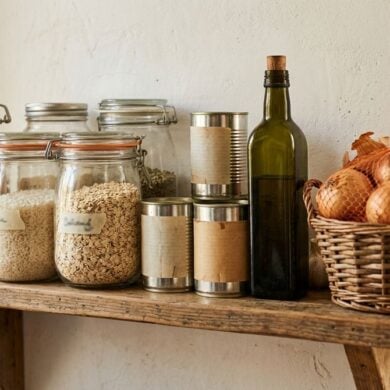
A fruitful sourcing trip often yields a colorful assortment of specialty foods that do not immediately suggest a single familiar recipe. Connecting these unique farm ingredients with dependable staples already in your cupboards is an intuitive strategy, much like pantry dinner planning when fresh ingredients run low to assemble satisfying, well-rounded meals. Pairing a crumbly artisan cheese with basic dry grains or using a tart fruit shrub to dress canned pulses highlights your handcrafted purchases without culinary stress.
Take time to preserve whatever surplus you cannot enjoy within the first few days. Freezing extra stone fruit halves, blending wild herbs into savory cooking oils, or turning crisp vegetables into quick refrigerator pickles extends the pleasure of your journey. Every meal prepared with your road trip bounty celebrates the growers, pastures, and craft producers who made it possible.