Cooking exceptional food for people who appreciate culinary craftsmanship is one of the most rewarding pursuits a passionate cook can experience. Many talented individuals dream of sharing their kitchen skills beyond their own family dining tables, yet launching a traditional brick-and-mortar restaurant brings immense lease obligations, heavy equipment maintenance, high staffing demands, and rigid working hours. Transitioning into personal culinary services offers an appealing alternative that keeps your focus directly on flavor, hospitality, and meaningful client relationships without the burden of commercial facility leases.
Operating as an in-home private chef allows you to craft customized menus, source seasonal ingredients from local purveyors, and deliver memorable dining experiences right inside a client home. Whether you prepare wholesome weekly family meals, coordinate boutique dinner parties, or execute intimate multi-course tasting menus, this business model celebrates direct culinary artistry while giving you control over your schedule and creative vision. Building a sustainable venture requires blending kitchen skill with organized operational practices.
Defining Your Culinary Focus and Target Market
Before buying transport coolers or printing marketing materials, you must clarify your distinct cooking philosophy. Trying to cater to every possible culinary style can dilute your brand and make daily ingredient purchasing chaotic. Instead, pinpoint what dishes bring you genuine excitement and showcase your technical proficiency. You might focus on Mediterranean coastal cuisine, farm-to-table comfort meals, plant-based tasting menus, or allergen-conscious family nutrition.
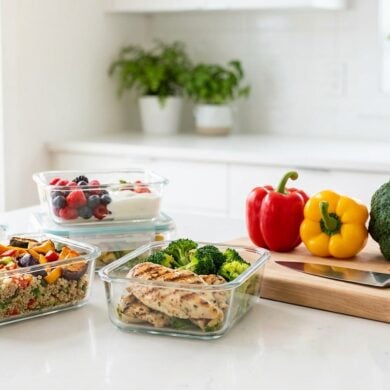
Understanding the daily lifestyle of your prospective clients shapes everything from menu design to scheduling. Busy professional households frequently seek dependable weekly meal preparation where nutritious dishes are cooked, packaged, and labeled for convenient reheating throughout the week. In contrast, entertaining hosts look for weekend dinner parties with plated table service, thoughtful beverage pairings, and polished tabletop presentation. Defining your target clientele allows you to tailor your offerings to their specific household expectations.
Taking time to audit your operations and refine your service concepts is a healthy habit for any hospitality venture. Many food entrepreneurs regularly turn to rea-evolution.com to discover practical guidance on business management, operational evaluation, and strategic marketing adjustments that keep small service ventures running smoothly. Stepping back to evaluate what works and what drains your energy prevents burnout and keeps your business aligned with your personal goals.
Setting Up an Efficient Mobile Kitchen Kit
Unlike stationary commercial kitchens where every tool rests in a designated drawer, a private chef must be comfortable cooking in unfamiliar residential spaces. Every home kitchen presents unique stove temperatures, varying counter space, distinct refrigeration layouts, and unpredictable cookware. Maintaining absolute control over your craft requires traveling with an organized, self-contained kit that covers your essential prep, cooking, and finishing needs.
Your mobile equipment should prioritize durability, compact storage, and reliable performance. Investing in sturdy knife rolls, versatile stainless steel skillets, portable cutting boards, silicone spatulas, and reliable digital thermometers ensures you never find yourself stranded during service. Cleanliness is equally vital, as leaving a residential kitchen spotless and sanitized is just as essential to your reputation as the balance of flavor in your sauces.
Essential steps to prepare before entering any client home include:
- Conducting an initial kitchen walkthrough to check ventilation, cooking ranges, cookware storage, and refrigeration space.
- Packing a curated mobile tool kit with sharp knives, heat-resistant spatulas, timers, and calibrated tasting spoons.
- Organizing pre-measured dry seasonings, finishing oils, and specialty stocks in clearly labeled transport containers.
- Bringing premium sanitation supplies, aprons, and lint-free towels to leave all food surfaces clean and pristine.
Mastering Client Consultations and Menu Development
Exceptional private chef experiences begin long before you fire up the burners. The consultation phase is where you uncover dietary requirements, food allergies, flavor preferences, and the specific atmosphere your host envisions. Asking thoughtful questions during this initial dialogue builds immediate rapport and demonstrates high standards of culinary care and guest safety.
When drafting menus, balance culinary creativity with logistical reality. Complex dishes with delicate emulsions or multiple fragile garnishes can be difficult to plate single-handedly in an unfamiliar kitchen layout. Design menus that feature components you can partially prepare ahead in advance, reserving immediate cooking for finishing sauces, searing proteins, and assembling fresh elements. A thoughtful menu flows seamlessly from course to course without creating kitchen clutter.
Establishing realistic prep schedules and maintaining production discipline is an essential discipline for independent culinary professionals. Much like the structured approach required to launch and run an artisan micro-bakery, balancing your culinary passion with organized production timelines ensures consistent quality without unnecessary stress. Clear preparation schedules allow you to remain calm, present, and attentive to your guests during service.


Networking and Growing Your Client Base
Building a steady roster of private dining clients relies far more on reputation and personal trust than on broad advertising campaigns. Food is deeply personal, and inviting someone into a private home requires genuine confidence in your professionalism, hygiene, and character. Cultivating local relationships within your community creates a strong foundation of word-of-mouth recommendations and repeat bookings.
Consider partnering with local businesses that cater to your ideal audience. Boutique wine shops, residential interior designers, high-end real estate professionals, and wedding coordinators frequently interact with clients who value bespoke entertaining. Offering tasting bites at collaborative community events or organizing intimate cooking demonstrations can introduce your culinary style to receptive patrons who appreciate gourmet cooking.
Broadening your commercial outreach also involves connecting with fellow business leaders across diverse industries. Engaging with dedicated business networks such as bizguidemw.com provides valuable access to collaborative professional networks, shared marketing ideas, and fresh insights on streamlining daily client management. Connecting with peers helps you sharpen your marketing approach, share valuable business insights, and discover innovative collaboration opportunities.
Delivering Unforgettable Hospitality and Service
What separates a standard meal from an extraordinary private dining experience is attentive hospitality. From the moment you arrive at a client door, your demeanor should reflect professionalism, calm confidence, and warmth. Respecting home privacy, keeping noise levels appropriate, and adapting graciously to unexpected timing adjustments make hosts feel completely relaxed in their own space.
After each booking, follow up with a thoughtful note thanking the host and asking for feedback on specific courses. Inquiring about which dishes resonated most shows that you genuinely care about their dining pleasure and value continuous culinary growth. Satisfied clients who feel heard are far more likely to book recurring family meal prep or recommend your private dinners to friends, colleagues, and neighbors.
By blending disciplined culinary technique, thoughtful organization, and authentic hospitality, you can transform your passion for cooking into a rewarding in-home business. Taking deliberate steps to refine your offerings, build strong client bonds, and maintain high standards will ensure your culinary venture flourishes and brings joy to every table you serve.