Many passionate home cooks eventually reach a point where their everyday dinners begin to feel repetitive. You might know your favorite pantry recipes by heart, yet the thought of experimenting with unfamiliar spices, robust vinegars, or novel culinary techniques can bring unexpected hesitation. Expanding your palate is not about discarding beloved comfort meals. Instead, it is an inviting exercise in sensory awareness that allows you to approach ingredients with fresh curiosity and renewed confidence.
Developing a more adventurous palate requires patience rather than formal culinary school credentials. When you learn how to actively taste during every stage of food preparation, cooking shifts from a mechanical task into an intuitive craft. By paying attention to the way subtle flavors harmonize, you begin to understand why certain dishes sing while others fall flat, giving you the freedom to improvise without constant reliance on rigid instructions.
Understanding the Foundations of Taste and Aroma
The human tongue can identify five primary taste profiles: sweet, salty, sour, bitter, and savory umami. Each element plays a distinct role in balancing a plate. Sweetness softens harshness, salt highlights inherent qualities in produce and proteins, sourness brings brightness, bitterness adds complexity, and umami provides a rounded depth that lingers. Great home cooking relies on understanding how these core sensations counteract and elevate one another throughout the cooking process.
True flavor, however, is far more expansive than basic tongue sensations because a major portion of what we experience as taste comes from our sense of smell. As ingredients heat up, volatile aromatic compounds drift into the nasal cavity, creating intricate flavor impressions such as toasted nuts, floral botanicals, or smoky wood. Adults who explore sensory hobbies often pay close attention to this connection; for instance, enthusiasts reading Geekay Vapes frequently discuss how aroma compounds and clean palates influence vapor tasting notes, which mirrors how cooks isolate spice layers in a simmering sauce.
Palate fatigue can quietly distort your perception when working over warm pots for extended periods. When your olfactory receptors are saturated with rich aromas, your ability to judge salt and acidity diminishes. Cleansing your palate with room-temperature water or stepping outside for fresh air allows your senses to recalibrate. Taking a brief sensory pause before your final seasoning check ensures that you evaluate your food with renewed clarity.
Daily Sensory Habits for the Home Kitchen
Training your palate is a practical skill that sharpens with deliberate daily practice. Rather than waiting for a rare dining opportunity, you can turn routine weekday prep into an active sensory exercise. Tasting ingredients in their raw state and comparing them to their cooked counterparts reveals how heat alters texture, releases natural sugars, and tames pungent aromatics.
Integrating small mindfulness checks into your kitchen prep helps you build an internal catalog of flavor memories over time:
- Sample raw aromatics such as garlic, shallots, or ginger to note how browning mellows their sharp bite.
- Taste your cooking liquids both before and after introducing an acidic element like vinegar or citrus.
- Chew fresh herbs individually to isolate their peppery, floral, or anise notes before combining them.
- Sip clean water between tasting spicy marinades or sweet glazes to keep your taste receptors unbiased.
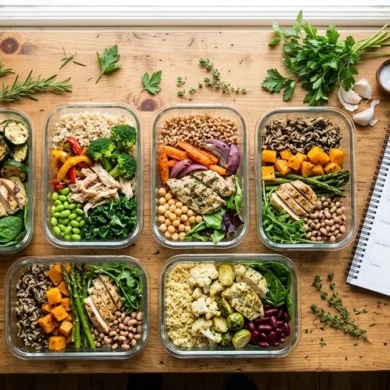
Establishing these habits does not require overhauling your entire dinner schedule. If you already practice how to plan a week of balanced meals, you can use that structured foundation to introduce one unfamiliar ingredient or cooking technique into your weekly routine. Pairing novelty with familiar staples ensures that culinary exploration remains comfortable and sustainable.
Navigating Global Pantries and New Cultural Staples
One of the quickest ways to diversify your cooking is to step outside conventional grocery aisles and explore international markets. Ingredients like fermented bean pastes, dried chilies, whole spices, and fish sauces offer concentrated layers of flavor that can revitalize simple vegetable or grain dishes. Learning to cook with these staples teaches you to appreciate how different cultures balance depth, fermentation, and pungent aromas.
Adapting your kitchen to unfamiliar food traditions can be both thrilling and challenging, especially when managing a household in an unfamiliar environment. Families raising children in new countries often look to communities such as motherabroad.com for guidance on adapting to local cultures, where learning to navigate foreign markets, cook with regional produce, and blend cross-cultural meal traditions is an essential part of daily home life.
When experimenting with a foreign pantry staple for the first time, begin by using it as a secondary accent rather than the main feature. Adding a small spoonful of miso paste to roasted root vegetables or splashing a few drops of toasted sesame oil into vegetable soup introduces the ingredient in a gentle context. Once you understand its intensity, you can confidently make it the focal point of future dinners.


How to Diagnose and Correct Common Flavor Imbalances
Even experienced cooks encounter moments when a dish feels uninspired or out of balance. When a sauce tastes flat, the instinct is often to reach for more salt, but lack of sodium is not always the culprit. Often, a flat dish simply lacks acidity to brighten the ingredients or needs a touch of sweetness to soften aggressive bitterness.
If a soup or stew feels excessively heavy, a squeeze of fresh lemon juice or a small splash of rice vinegar cuts through dense fats and lifts the flavors. Conversely, if a tomato sauce tastes uncomfortably sharp, simmering it gently with a carrot or adding a small pat of unsalted butter can round out the harsh edges without disguising the natural fruit notes.
Bitterness can be tempered with sweet or savory elements, while excessive sweetness can be countered with sour citrus or pungent herbs. Developing the ability to diagnose these balance issues in real time transforms kitchen mistakes into valuable learning moments, removing the anxiety of unpredictable cooking outcomes.
Cultivating Confidence Through Intuitive Seasoning
Relying solely on recipe measurements for seasonings can hinder your growth as a cook because ingredient potency varies naturally. A bunch of cilantro bought in summer may possess a completely different strength than one purchased in winter, and kosher salt flakes vary in density between brands. Tasting at the beginning, middle, and end of the cooking process teaches you to trust your palate over printed numbers.
Cultivating an adventurous palate is an ongoing journey that celebrates curiosity and mindfulness at the dinner table. By honoring the relationship between aroma and taste, welcoming regional ingredients into your pantry, and practicing thoughtful adjustments along the way, home cooking becomes a deeply satisfying creative outlet. Every dish you prepare offers another opportunity to discover something delightful about flavor.