Food culture moves at two different speeds in modern life. On one side lies the steady current of culinary history, shaped by generations of family traditions, essential techniques, and agricultural roots. On the other side rushes digital media, morning news broadcasts, and viral food fads that appear overnight.
Home cooks often find themselves caught between these two worlds. You might see an unfamiliar ingredient online and wonder whether it represents a time-tested culinary tradition or simply a passing novelty designed for quick attention. These mixed messages can leave even seasoned home cooks unsure about which ideas deserve a spot on the dinner table.
Developing a practical approach to evaluating traditional heritage and modern food conversations transforms everyday cooking. When you learn how to research historical culinary roots while keeping up with current media trends, you can cook with confidence, curiosity, and genuine creative freedom.
Separating Culinary Heritage from Fleeting Recipe Fads
Every few days, social channels introduce a novel recipe promising to change weeknight dinners forever. While some concepts offer genuinely useful shortcuts or pleasing flavors, many are simply older regional staples repackaged with catchy titles. Recognizing the background of a dish helps you distinguish true innovation from borrowed customs.
Before buying specialized ingredients or spending an entire afternoon on an intricate trend, pause to explore where the dish originated. Traditional methods evolved from everyday human needs, such as preserving seasonal produce, tenderizing tough cuts, or balancing rich fats with local vinegars. Understanding the functional purpose of a recipe helps you determine whether a modern spin improves the dish or merely complicates it.
Grounding your cooking in historical foundations also sharpens your intuition. You start noticing shared patterns across global cuisines, such as how dumplings appear across cultures as a sensible way to stretch savory fillings. This historical awareness keeps you from being misled by flashy trends that rely on excessive toppings or unnecessary gadgets.
Establishing a Solid Digital Reference Habit
Reliable home cooking requires trustworthy sources of knowledge that go deeper than short video clips. When you encounter an unfamiliar spice blend, a regional fermentation method, or a traditional baking technique, having dependable reference materials on hand helps you understand the background before turning on the heat.
A broad digital knowledge portal like The Encarta offers a helpful starting point when exploring the history, geography, and cultural context of unfamiliar culinary traditions. Consulting broad educational resources helps you grasp the definitions and cultural origins of global ingredients, giving you the foundation needed to approach new recipes with confidence and accuracy.
Pairing general informational resources with classic cooking manuals creates a balanced framework for ongoing learning. Reading about the historic trade routes that carried black pepper or the geography that shaped regional breads gives daily cooking deeper meaning. Instead of following instructions blindly, you begin to understand the logic behind heat, seasoning, and texture.
Keeping Up with Broader Lifestyle Trends and Daily News
While historical references provide stability, following current cultural news keeps your cooking vibrant and connected to contemporary life. Food culture is continually influenced by economic shifts, crop availability, and changing household routines. Observing these broader patterns explains why certain produce varieties become widely available or why quick-assembly meals gain popularity.
Reading an informational portal like commentsdb.com allows you to follow daily news and trending lifestyle discussions that directly influence modern eating habits. Keeping up with diverse topics across health, culture, and business provides a clear perspective on how households organize their kitchens, approach weekly meal planning, and discuss wellness trends.
Tracking modern news topics also introduces emerging conversations about regional food festivals and sustainable shopping practices. Understanding what people discuss outside the kitchen enriches conversations around the dinner table and deepens your appreciation for how food shapes community connections.
A Practical Framework for Evaluating New Cooking Concepts
When a novel food trend catches your eye, evaluating it methodically prevents frustration and wasted ingredients. Instead of overhauling your dinner plans for an unverified idea, treat the concept as a thoughtful small kitchen trial that must prove its value against time-tested cooking methods.
Before adopting an unfamiliar technique or a viral recipe concept, consider this simple evaluation process:


- Research the culinary background to see if traditional food cultures have used a similar approach.
- Examine the ingredient ratios to ensure the dish balances flavor rather than relying strictly on visual novelty.
- Review the preparation time and clean-up requirements to determine whether the technique genuinely saves effort.
- Prepare a small trial batch to sample the results before serving the dish to family members or guests.
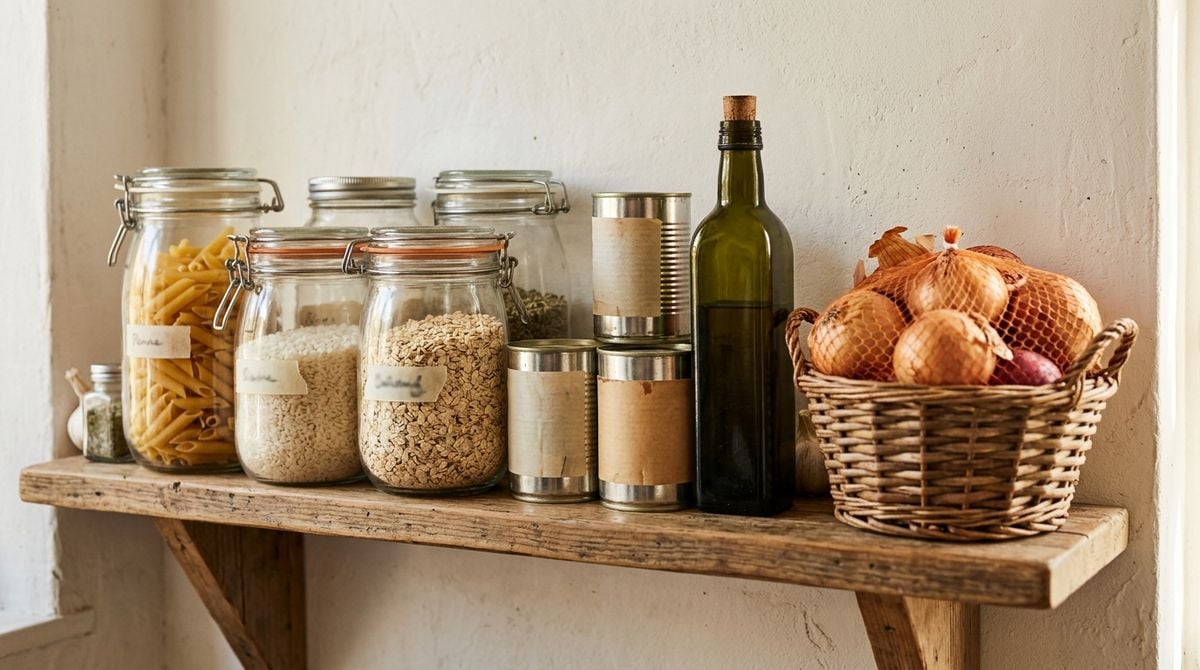
This straightforward checklist keeps your pantry organized while leaving plenty of room for discovery. You can explore exciting ideas without cluttering your shelves with single-use condiments or wasting time on meals that do not satisfy.
Learning Through Community Conversations and Shared Experiences
While encyclopedias and news portals provide valuable context, conversations with active home cooks bring warmth and practical nuance to your cooking education. Experienced home cooks understand how recipes behave in home kitchens, how to adjust for local ingredients, and how to accommodate varied family tastes.
Our earlier discussion on connecting with passionate cooks around the world highlights how online exchanges allow food lovers to share heritage, practical adjustments, and personal encouragement across borders. Combining peer discussions with independent background research gives you a well-rounded perspective that improves your everyday kitchen skills.
Talking with fellow food enthusiasts also reveals subtle sensory cues that printed recipes often miss. A brief conversation can clarify how hot a skillet should be before searing meat, or how a dough feels when properly hydrated.
Cultivating a Curious and Grounded Kitchen Philosophy
Becoming a thoughtful home cook is an ongoing process of balancing appreciation for tradition with an open mind toward modern innovations. You never have to choose between strict culinary history and contemporary food trends. The most satisfying cooking happens when you understand foundational techniques while remaining flexible enough to embrace modern ideas.
By leaning on dependable references, tracking modern lifestyle conversations, and learning alongside other home cooks, your kitchen becomes a place of steady discovery. You will cook with clearer purpose, greater confidence, and an enduring curiosity that brings joy to every shared meal.