Tutors who teach in the evening often arrive home tired, with little appetite for complicated cooking. A simple batch plan can make dinners feel manageable. You cook a few meals in larger quantities, portion them well, and reheat without stress. The approach suits people who teach private lessons after school, run homework clubs, or travel between several families in a single day. This article covers choosing recipes, scheduling a cooking session, storing food safely, and avoiding the most common batch-cooking errors.
Choose Recipes That Freeze and Reheat Well
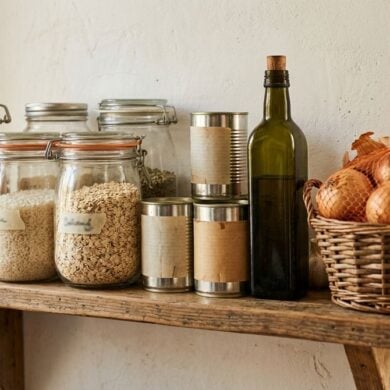
Not every dish handles batch cooking equally. Stews, curries, bean chilis, and baked pasta bakes tend to keep their texture and flavour after freezing and reheating. Dishes with delicate leaves, crisp coatings, or cream-based sauces can separate or turn watery. Choose three recipes that share some ingredients, such as onions, tinned tomatoes, and dried beans, so one shopping trip covers several meals. If you are unsure how a dish will behave, try a small portion first. Many home cooks learn quickly which recipes suit their freezer and which ones do not, and that knowledge saves a great deal of wasted effort over time.
Set a Realistic Cooking Session
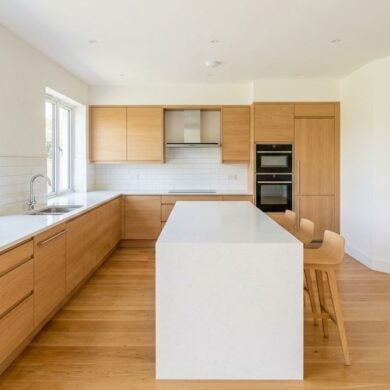
Pick a day and time that fits your teaching calendar. Sunday afternoons work for some tutors, while others prefer a lighter weekday when there are no evening sessions. Prepare your workspace before you begin by clearing the counters, gathering containers, and setting out labels. Cook in an order that makes sense, starting with dishes that need long simmering so they can cool while you work on the next meal. Many people find that a focused session is enough for several dinners, but the exact time depends on your kitchen and your appetite.
A short list of practical steps keeps the session efficient:
1. Write down every recipe and its ingredient list before you shop.
2. Prepare all the vegetables in one batch so the chopping is done together.
3. Cool large pots quickly by dividing the food into shallow containers.
4. Label each portion with the name of the dish and the date it was made.
Shopping is part of the session too. Buy ingredients for the whole plan at once, and write the list in the order you will walk through the shop. Check what you already have before you start, because it is common to buy a second tin of tomatoes without noticing the first one at the back of the cupboard. If your kitchen is small, plan the cooking so that one pot is finished before the next begins. Keep a clean tea towel nearby for wiping surfaces, and wash your hands between handling raw and cooked ingredients. A little discipline at this stage makes the whole session feel calmer.


Store and Reheat Food Safely
Food safety matters more when you cook in bulk. Cool cooked food promptly and move it into the fridge or freezer rather than leaving it on the counter. Portion meals into containers that suit one serving, so you only reheat what you intend to eat. Reheat food until it is steaming hot all the way through, and avoid reheating the same portion more than once. Readers may also want to visit Newsxoomer.com. If you have a condition that affects how you handle food, consult a qualified professional for advice that fits your situation.
Avoid Common Batch Cooking Mistakes
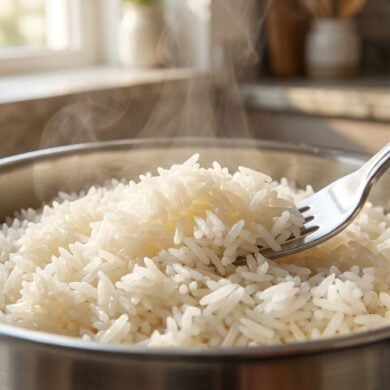
The most frequent mistake is cooking too much of one dish. Three different meals keep the week interesting, while seven identical dinners quickly lead to skipped portions and wasted food. Another error is forgetting side dishes such as rice, bread, or a fresh salad, which can be prepared on the day and make a batch meal feel complete. Some people also freeze food in containers that are too large, which makes it slow to thaw and difficult to reheat evenly. You can also visit loranocarter.com for more reading.
Batch cooking also needs flexibility. A meeting may run late or a family may cancel a session, so keep one quick backup meal in the freezer for those evenings. Many tutors find that a shared kitchen calendar or a small notebook helps them remember which dish is due next. For a related read on this site, see A Make-Ahead Lunch Plan for Teachers With Short.
Finally, remember that dinner after a long evening of teaching should feel rewarding rather than like another task. Choose recipes you genuinely like, keep the process simple, and accept that some weeks will look different from the plan. A little preparation on one day can make several later evenings calmer, and that is often the real benefit of cooking in batches.