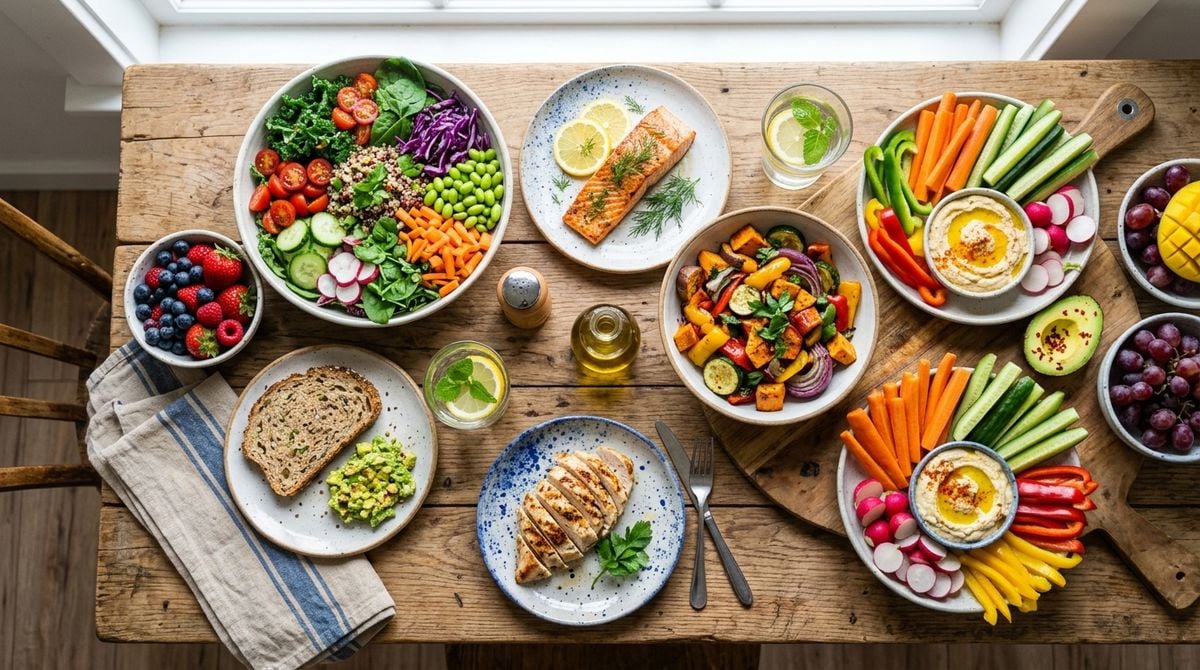
A potluck is one of the easiest ways for a hobby club or community group to share a meal. Everyone brings a dish, the table fills up, and conversation flows. Yet potlucks can also create a surprising amount of waste, with leftover trays of pasta and half-eaten cakes ending up in the bin. This article explains how to plan a potluck that feeds everyone well, reduces waste, and keeps the mood friendly from the first plate to the last.
Why potlucks go wrong
Most potlucks fail for one simple reason: nobody knows what anyone else is bringing. Five people arrive with a main course, nobody brings a salad, and the sweet table is almost empty. Others bring far more food than the group can eat. Without a little planning, the result is either hunger in the middle of the evening or a fridge full of food nobody wants.
A second problem is timing. Dishes that need heating or chilling can sit out for too long if people arrive at different times. Some items also look appealing at the start of the meal but do not survive a long wait on a table. A good plan takes these practical details into account before anyone cooks.
Planning the menu in advance
Ask each guest to name their dish when they accept the invitation. Keep a simple list on a shared sheet or a group message, and ask people to update it if they change their mind. This small step prevents three lasagnes and no vegetables. It also gives you a chance to spot any gaps, such as a dish that can be eaten by people who avoid meat or dairy.
Group the dishes into courses or types, so the table looks balanced. A few savoury mains, several side dishes, one or two salads, and a selection of desserts usually work well. Readers may also want to visit wallstsouth.org.
- Ask guests to name their dish when they reply to the invitation.
- Set a rough target for how many portions each dish should provide.
- Keep one spare savoury dish in case of a surprise extra guest.
- Ask for ingredient lists if anyone has allergies or strong preferences.
- Agree a time for dishes to arrive so the table is not overloaded.
Cooking and serving with care
Encourage guests to bring food in containers they can take home. Labelled containers with lids keep things tidy, and they let people share leftovers with family. You can also visit iamthomasjullien.com for more reading. Ask everyone to write the name of the dish and any main ingredients on a small card, so that guests with allergies can make informed choices. Plain cards are often the most useful.
Keep hot food hot and cold food cold. Slow cookers, insulated carriers, and chilled trays all help, but the simplest rule is to bring dishes at the right time. A dish that needs reheating should be brought ready to go, with clear instructions for the host. Anything that has been left out for a long time should be thrown away, however good it looks.
Reducing waste on the night
Serve food in modest portions and let people come back for more. This keeps the table attractive and reduces what gets scraped into the bin. Offer small serving spoons and provide a station where guests can take food to go in their own containers. A simple sign at the end of the table, inviting people to take leftovers home, can make a real difference.
Plan what happens to unwanted food before the event. Some groups donate surplus to a local food bank or a shelter that accepts home-cooked food, while others arrange for the leftovers to be shared among the volunteers who helped with the tidy-up. Check the rules for your area first, as some places have strict guidance about donated food. For a related read on this site, see Batch Cooking Three Dinners a Week for Late-Evening.


A potluck is about people as much as food. Ask a volunteer to welcome newcomers and introduce them to others. Put out name cards or a simple guest book so that people can share their names and dishes. Play quiet background music if the room allows, and keep the lighting warm.
Avoid pressuring anyone to cook elaborate dishes. Some people have busy weeks or limited kitchens, and a bag of good crisps or a bunch of fruit can be just as welcome. The sense of sharing matters more than the complexity of any single dish. A relaxed attitude helps newcomers feel comfortable enough to return.
Common mistakes to avoid
Do not forget drinks and cutlery. Ask one or two guests to bring plates, cups, napkins, and serving utensils, and check at the start that they are covered. Running out of forks in the middle of a meal is an avoidable disappointment.
Another mistake is leaving the clean-up to one person. Share the tasks out in advance, such as washing up, wiping tables, and sorting recycling. A simple rota turns the end of the evening into a team effort rather than a burden.
Finally, ask for feedback after the event. A short message asking what people enjoyed and what they would change will help you plan the next potluck. Over time, your group will develop a rhythm that suits its members, and the food will taste all the better for it.