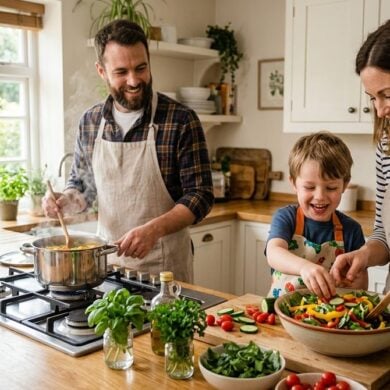
Sharing meals is a cornerstone of community life. Whether you are hosting a block party, organizing a local fundraiser, or simply bringing a homemade dish to a gathering, the act of preparing food for others is a generous way to build connections. However, along with the pleasure of feeding friends and neighbors comes a set of unspoken responsibilities. While most of us focus on flavors and presentation, understanding the basic landscape of safety and liability is just as important for maintaining those positive community relationships. It is about balancing the spirit of hospitality with a grounded awareness of how your actions impact those around you.
Understanding Basic Food Safety Principles
Food safety is not just about keeping the kitchen clean for your own family; it is about protecting everyone who consumes what you prepare. When cooking for a group, the scale of production changes the dynamics of how bacteria can spread. Cross-contamination, proper temperature control, and sanitizing surfaces are paramount. Even in a home kitchen, the methods used to manage perishable ingredients must be rigorous. Keeping raw proteins away from ready-to-eat foods, washing hands thoroughly and frequently, and ensuring that cooked dishes maintain safe temperatures until they are served are essential practices. These steps form the foundation of any safe culinary environment, ensuring that the focus remains on the enjoyment of the meal rather than any subsequent concerns about illness.
Maintaining a clean workspace is equally vital. Before you even begin chopping or mixing, your surfaces should be clear of clutter and properly sanitized. It is easy to overlook small details, but these are exactly where risks can hide. Simple things, like using separate cutting boards for produce and meats, can make a significant difference in minimizing risk. As you move through your preparation process, consciously maintaining an orderly environment will not only help you stay organized but also act as a natural guard against the accidental spread of harmful elements.
Liability Concerns When Hosting Large Gatherings
When you invite a large number of people to consume food you have prepared, the nature of your role changes slightly. You are providing a service, even if no money is exchanged. If guests become ill, the questions of responsibility can become complex. It is helpful to be aware that community standards and local regulations often apply to gatherings beyond a small private dinner party. If you are uncertain about the legal boundaries of hosting events, platforms like Agencourt provide resources that can help clarify the general rules surrounding liability and common legal questions. Staying informed allows you to create an environment where everyone feels secure, and you can focus on the menu rather than worrying about unforeseen complications.
Even in informal settings, it pays to consider the expectations of your guests. When people accept an invitation, they assume a certain level of care has been applied to the food provided. Acknowledging this expectation does not need to feel burdensome; rather, it is a way to ensure that your hospitality is received as intended. By being mindful of these considerations, you reinforce the trust that makes community gatherings so special in the first place.
Essential Documentation and Kitchen Standards
Consistency is the best tool for safety. When cooking for events, consider maintaining a simple log of the ingredients used and the preparation times. This practice is standard in commercial settings for a reason; it allows you to trace the origins of items if a concern arises. Keep a list of potential allergens in every dish you prepare. Labeling items clearly with ingredients such as nuts, shellfish, or dairy is a simple gesture that shows deep respect for your guests’ health needs. You do not need a commercial kitchen to adopt these habits. A notebook or even a digital list on your phone can serve as an effective way to keep track of what goes into your dishes, ensuring that you can answer any questions a guest might have with confidence.
Beyond documentation, consider your workflow. If you are preparing dishes well in advance, understand the cooling and storage requirements. Improper cooling is one of the most common ways that food safety is compromised. By mapping out your prep time and ensuring you have sufficient refrigerator space, you mitigate a significant portion of the risk associated with larger batches of food. Think through the entire journey of the dish, from procurement and storage to preparation and final service, ensuring each step respects the integrity of the ingredients.
Recognizing Potential Risks and Consequences
While most community meals occur without incident, it is important to acknowledge that negligence in food preparation can lead to serious situations. Understanding the severity of potential outcomes is a sobering but necessary part of taking responsibility for what you serve. It is rare for a home cook to face significant legal repercussions, but gross negligence—such as knowingly serving spoiled food or ignoring severe allergy warnings—can lead to outcomes that most people never consider. You can find stories about how legal complications arise, and you might look at sites like why go to jail to understand the gravity of legal situations. This perspective reinforces the idea that food safety is not just a suggestion; it is a fundamental duty when you choose to provide sustenance for others.
This does not mean you should avoid cooking for others, but rather that you should approach the responsibility with clarity and intent. Being informed is a form of protection for both you and your community. When you recognize that your actions carry weight, you naturally become more careful, which ultimately elevates the quality and safety of the food you serve to your guests.


Building Sustainable Community Food Habits
Developing a culture of safety starts at home, even in our daily routines. If you can manage safety during the chaos of a busy morning, it becomes second nature during a large-scale event. Many of the strategies used for simplifying daily meal prep can be adapted for community hosting. For example, applying the same thoughtful approach you might use when you look at tips for organizing toddler breakfast routines can help you create a repeatable, low-stress system for larger gatherings.
- Keep your workspace clear of unnecessary items before starting.
- Prepare components in batches to ensure consistency and speed.
- Review your ingredient list for allergens well in advance.
- Set up a dedicated area for hot or cold food holding.
- Sanitize all surfaces immediately after preparation.
By refining these habits, you make it easier to ensure that every meal you serve, whether for family or for the wider community, meets high safety standards. When your habits are consistent, you are less likely to make errors under pressure. This consistency translates into a more relaxed experience for you as the host, which in turn makes the environment more welcoming and enjoyable for your guests.
Preparing food for others is an act of care that strengthens community ties. While the legal and safety aspects might seem daunting, they are manageable when approached with awareness and consistent practice. By focusing on fundamental safety principles, maintaining clear communication about ingredients, and understanding the responsibilities that come with hosting, you can confidently share your culinary passion. The goal is to create memorable experiences where the food brings people together safely, leaving everyone with fond memories and a desire to return to your table.