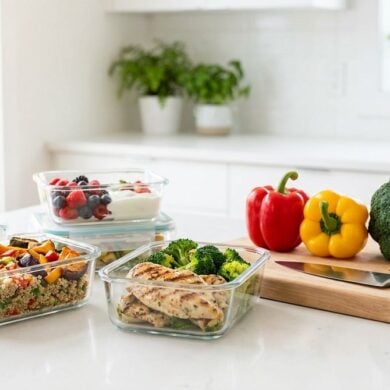
On a school night in late autumn, a parent looks at a nearly empty fridge and a long list of practices, and decides that the week’s dinners need a new plan. Family meals do not stay the same from one season to the next. The school calendar, work shifts, weather and extracurricular activities all shift the pattern of the household. Adjusting the dinner routine to each phase of the year keeps the table calm and makes shopping and cooking far less of a daily scramble. A short weekly talk about who is cooking and who is clearing up can make the routine feel shared rather than imposed. Children who help plan the week are often more willing to try new foods at the table.
Early Autumn Weekly Menus
At the start of the school year, families are often still learning the new rhythm. Build a simple weekly menu that repeats a few reliable dinners and leaves one or two nights open for leftovers or takeout. Write the menu on a board near the kitchen so everyone can see what is planned. Involve older children in choosing one dinner each week, which gives them a sense of ownership. Readers may also want to visit educity1713.com. Keeping a short list of the family’s favorite dishes on the fridge makes the weekly planning quicker still. Rotating a few favorites with one new idea each month keeps everyone interested without extra stress.
Winter Batch Cooking Days
Winter brings short days and long evenings, and many families find that a weekend batch cooking session saves the week. Choose a day when the household has some slack and cook two or three large dishes, such as soup, a casserole and a tray of roasted vegetables. Portion the food into containers that fit the fridge and freezer, and label each one with the day it was made and the reheating instructions. You can also visit snm-education.com for more reading. Freezing a few portions in advance gives the household a backup for nights when a schedule runs late. Labels with clear reheating notes make the process faster for anyone who arrives home first.
Spring Schedule Shifts and Pantry Rotation
In spring, practices move later, weekend plans multiply and the pantry starts to look crowded. Rotate older items to the front of the shelves and use them before buying new ones. Plan one meal around whatever is nearest to going off, and keep a running list of staples that need a restock. Shift the dinner time when needed so the family can eat together even on busy evenings. For a related read on this site, see Cultivating Culinary Curiosity in Young Learners at Home. A clear shelf plan also makes it easy for children to find the right ingredient without asking. Checking the pantry against the plan once a fortnight prevents double purchases.
Summer Meals When Routines Loosen
Summer brings a looser routine, longer daylight and a tendency to eat at odd hours. This is a good moment to try lighter meals built around fresh produce, grilled proteins and cold salads that need little cooking. Let children help with simple tasks, such as washing vegetables or assembling wraps. Keep a few heartier options ready for the nights when the family returns tired from outdoor activities. A relaxed summer menu works best when it leaves room for spontaneity without losing the basics. Setting a simple rule, such as one new recipe a week, keeps the summer menu lively without overcomplicating it. Warm evenings are also a good time to test salads and dips that can be served in several ways.

Storing Household Products Away From Food
Many homes keep cleaning supplies, medication and other household products near the kitchen, and some families also keep nicotine products in shared spaces. A regular review of storage each season helps keep food separate and secure. Move any product that could be mistaken for a snack to a high or locked cabinet, and keep food storage containers in their own area. Make the review part of the seasonal reset, so the habit becomes automatic rather than a single reaction to a problem. Keeping storage consistent also helps everyone in the house find things quickly during busy evenings. A quick check of the cabinet locks each week makes the routine feel automatic.
Adjusting Dinners as Seasons Turn
Family dinners work best when they follow the calendar rather than fighting it. Each season asks for a slightly different approach, and a family that notices the change early can adjust before the stress builds. Keep a short note of what worked in each phase and reuse the best ideas when the cycle returns. Over time the routine becomes familiar, and the table becomes a place where people look forward to eating together. Each season adds a little more experience, and the family gradually learns what works best for its own rhythm. Families who keep these notes often find that the same few ideas return each year with minor improvements.