Households with busy schedules often struggle to eat well on weeknights, especially when training sessions, games and work shifts overlap. Cooking from scratch every evening sounds ideal but rarely lasts, and buying takeaway each time can drain both the budget and the energy. Planning food in advance is the usual answer, yet there are several ways to do it, and each one changes the kitchen routine in a different way. The best method is often the one that matches the rhythm of the week rather than the one that looks most impressive in a photograph.
This article compares three approaches to preparing meals for people who are on the move: a weekly cook day, a rolling set of batch recipes and a flexible method built from ready components. It describes the kind of household each one serves best and offers a practical way to decide between them. The focus stays on general cooking habits rather than any particular diet, since appetite and energy needs differ widely from one person to the next.
The Weekly Cook Day
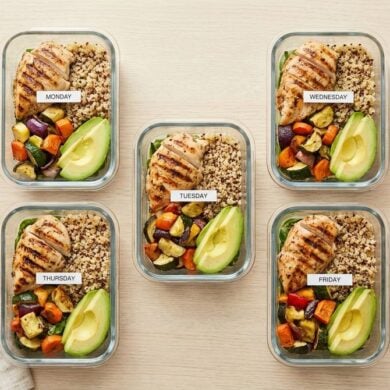
A weekly cook day sets aside one long session to prepare several meals for the days ahead. The cook chooses a few main dishes, such as a pot of grains, a tray of roasted vegetables and a slow-cooked protein, then portions them into containers. Readers may also want to visit Fiber Gaming. This approach suits households with a predictable calendar, because the whole week can be planned around one kitchen session. It also keeps the grocery list short and focused. The downside is that meals can feel repetitive by the end of the week, and a long session may not fit everyone’s schedule. A good test is to prepare two meals for the first week, then add variety once the routine feels natural and the kitchen feels comfortable.
Rolling Batch Recipes
The rolling batch approach cooks one or two large recipes every evening or every other evening, so there is always something ready to eat. Soups, stews, bean bowls and baked dishes freeze well and can be divided into lunches for the next several days. You can also visit contconcord.com for more reading. This method fits households where schedules change often, because it does not depend on one fixed session. It also spreads the workload across the week, which can feel lighter than a single large push. The limitation is that the kitchen needs attention more frequently, and leftovers must be managed carefully to avoid waste. Some families keep a simple chalkboard list of what is cooking and what is due to be eaten, which makes the rotation easy to follow.
Flexible Assembly From Ready Components
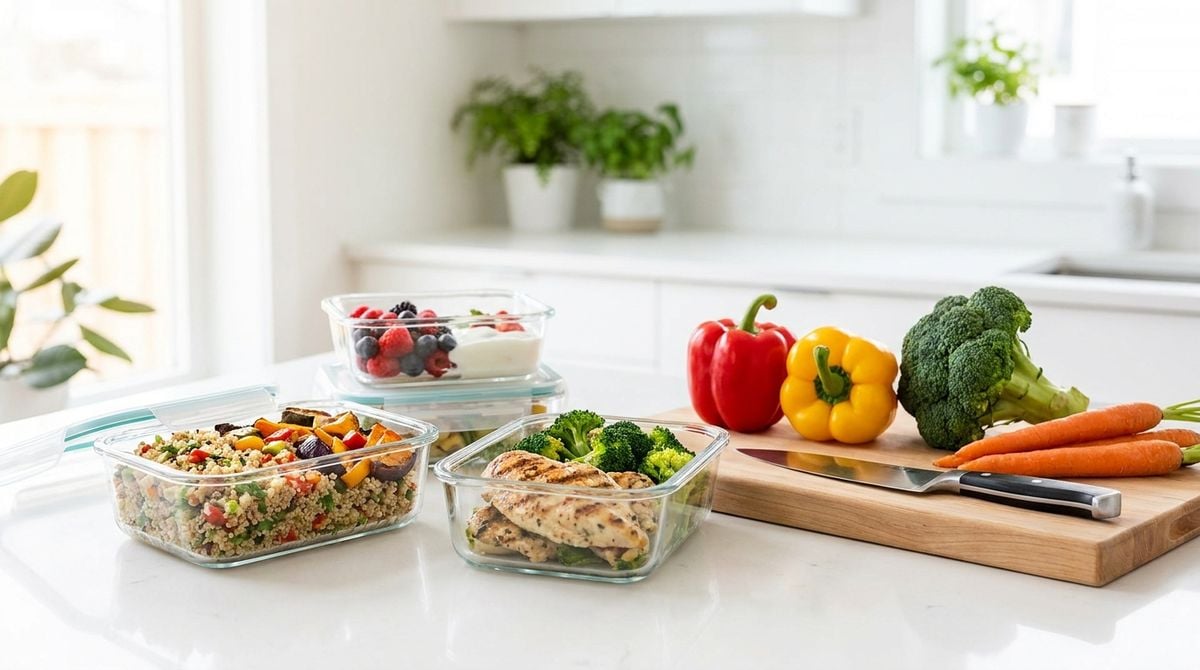
The third approach keeps a few prepared components on hand, such as cooked rice, a jar of sauce, washed greens, roasted vegetables and a protein that can be warmed quickly. Each evening the cook assembles a bowl, wrap or plate from what is available, which takes only minutes. For a related read on this site, see Choosing Fabrics for a Teen Cooking Class Uniform. This approach suits people with unpredictable hours, mixed tastes and a need for quick meals after practice or a late shift. It also lets each person adjust portions, which makes it easier to respond to different appetites. The risk is that assembly drifts into a string of takeaway-style shortcuts if the components are not planned, so a short shopping list helps keep it on track.


Choosing the Right Mix
Start by looking at the calendar. A household with fixed training days and a steady routine may do best with a weekly cook day, while a family with shifting commitments often finds rolling batches easier to manage. Next, consider the kitchen itself. Limited fridge or freezer space makes large batches harder to store, so assembly from fresh components may be the better match. Taste matters as well, because a dish everyone enjoys on Monday may not be welcome again on Thursday. Many households blend the approaches, cooking one large batch on the weekend and keeping a few quick components for the busiest evenings, which keeps both the budget and the mood under control. Writing the week’s menu on a shared note also helps everyone know what to expect at the table. A quick review on Sunday evening, when the coming week is clear, makes the cook day feel calmer.
Keeping the Routine Simple
A meal plan works only when it is easy to repeat. Keep a short list of reliable recipes, note which ones freeze well and review the plan once a month. Small changes, such as adding a bowl of fruit or swapping one grain for another, can keep meals interesting without making the routine harder to maintain. The best approach is the one the people in the household will actually follow.