A junior hockey team’s dinner night started as a simple pasta plate, but the coach noticed players picking at their food and dragging through the warm up. The meal was heavy, served too late and too close to the rink. The families were eager to help, yet nobody had a plan for timing, portions or allergies. This article explains how to plan a pre game dinner for a sports team with simple, balanced food that suits young athletes.
Pre game meals are not about special supplements or dramatic diets. They are about familiar food, served at a sensible time and in amounts players can digest comfortably before playing. General health guidance from public sources supports this simple approach. The sections below cover timing, the structure of the plate, food safety when feeding a crowd and the logistics of serving a large group without chaos. Each part can be adapted to the size of your own team.
Timing the Meal Before the Game
Serve the main meal several hours before the game, so players have time to digest it. A lighter snack can be offered closer to warm up, such as a banana or a small sandwich. Share the schedule with families in advance, so everyone knows when to arrive and when the kitchen closes. A plan written on paper keeps the evening calm and prevents the last minute rush that leaves players hungry.
Allow time for players who arrive late or who need to change before eating. A buffet that stays open for a short window helps. Keep a warm tray ready for latecomers so their food stays appetizing without drying out. Readers may also want to visit Free-pc-guides.com.
Building a Balanced Plate for Young Athletes
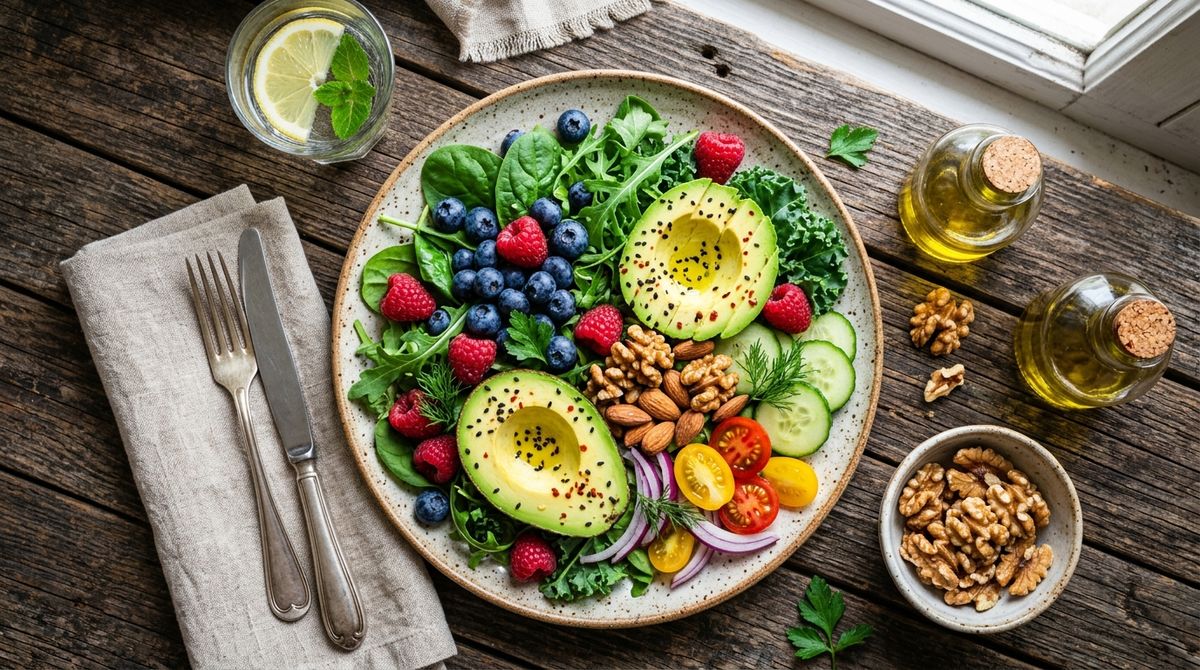
Aim for a plate with a clear starch, a lean protein, vegetables and fruit, with only a little fat. You can also visit bestwirelesssecuritycamera for more reading. Chicken, beans and eggs help with recovery after hard practices. Serve plenty of water alongside the food, and keep sugary drinks to a minimum. A simple structure is easy to repeat, and it is easy for families to copy at home.
Keep sauces and dressings on the side, so players can adjust their portions. Avoid very rich dishes that sit heavily before a fast game. A familiar meal that the team already enjoys is often the best choice, because nervous stomachs tend to do better with food they trust. Test any new dish at a practice dinner before it appears on the game night menu.
Food Safety When Feeding a Crowd
Feeding a large group from a home kitchen requires careful handling. Keep hot food hot and cold food chilled until serving time. For a related read on this site, see Sorting Kitchen Drawers When Snacks and Vape Accessories. Label each dish with its main ingredients, so players and families can spot any allergens quickly.
Ask each family about allergies when they sign up, and keep a clear list on the serving table. Use separate serving spoons for each dish, and wash hands before handling any food. A small checklist taped to the kitchen door helps volunteers remember the basics when the room is loud and the schedule is tight.

Organizing Volunteers and Cleanup
Assign one volunteer to the kitchen, one to the serving line and one to cleanup. Give each person a short list of tasks and a clear end time. Ask families to bring dishes in disposable containers where possible, which makes packing up quicker and reduces the load on the kitchen sink. A volunteer who arrives early to set up the tables saves everyone a great deal of stress.
Plan the leftovers before the meal starts. Decide who takes extra food home and how any remaining dishes will be handled. A clear plan avoids last minute confusion and makes the evening feel well organized from start to finish, which is good for players, parents and volunteers alike. Keep a simple box for leftover labels and markers, so every container leaves the kitchen with a clear name and date.
A Dinner That Supports the Game
A pre game dinner should help players feel ready, not weighed down. Serve at a sensible time, build balanced plates, handle food with care and share the work across volunteers. When the meal is planned well, the team walks onto the ice with energy, and the families leave the evening feeling proud of the part they played in the season. A short thank you note from the coach, read aloud before the meal, can make the evening feel like a true team event.