What does a catering shirt need to do after six hours beside an oven and a pass of hot trays? The answer is more than looking tidy at the start of a shift. A shirt that traps heat, pulls at the shoulders, or shows every stain by noon quickly becomes a distraction. Choosing the right shirt for summer work is a practical decision that affects comfort and focus.
The best catering shirt balances three needs: it breathes, it moves with the body, and it stays presentable through a long service. Many kitchens and event teams have settled on a few common features, though each crew has its own preferences. The notes below describe what to look for and how to care for the shirts once they are chosen.
Fabric Weight and Breathability
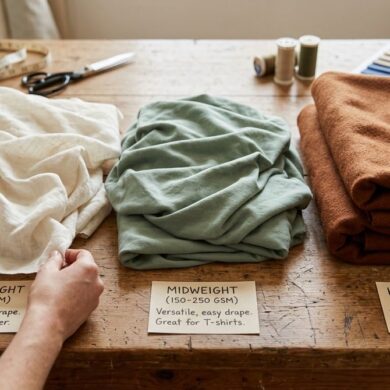
Lightweight cotton blends and twill weaves are common choices for hot kitchens. A fabric that is too heavy holds heat against the skin, while one that is too thin may show sweat or lose shape. Hold the fabric up to a light source before buying. If the weave looks open and even, it usually allows air to pass more easily. Lighter colors show stains quickly, so a cook may prefer them for prep work only.
Look for mesh panels or side vents on shirts meant for hot work. Vents placed under the arms or along the back can release heat during a rush. Readers may also want to visit TechRegar. Check the color after several washes, since darker shades can fade and show marks from cleaning products.
Fit for Lifting Trays
A catering shirt should allow full range of motion without pulling at the seams. Raise both arms and bend forward to check the fit. If the back gapes or the sleeves ride up, the shirt is too small. Extra fabric at the armpits and a slightly longer back panel help the shirt stay tucked in during lifting.
Consider how the shirt sits with an apron. A tight waist can bunch the fabric and push the shirt out from under the apron strap. You can also visit How to Fix my Printer for more reading. Try the shirt on before a full prep day, and move through a few common motions, such as reaching up and stooping.
Collar, Pocket and Sleeve Details
Collars should lie flat and stay closed during service. A band collar with a button is easier to keep neat than an open collar that flaps during movement. Sleeves with a button tab let the cook roll them up quickly and keep them in place, which helps when working near heat or raw food. For a related read on this site, see Snack Routines for a Mother Cutting Back on.
Pockets are useful for pens, thermometers, and small notes, but they should be sewn flat and placed where they do not snag on a tray handle. Avoid pockets with thin stitching that will tear under repeated washing. A pocket that holds its shape is more practical than a decorative one. Keep a pen loop sewn at the side of the pocket if the shirt has one, so the pen does not drop onto the floor.
Washing Shirts So They Hold Their Shape
Wash shirts in warm water with mild detergent and turn them inside out to protect the surface. Avoid high heat in the dryer, which can shrink cotton blends and set stains. Lay the shirt flat or hang it to dry, then press lightly while still slightly damp for a crisp finish. A second set of shirts keeps the rotation steady during a busy catering season.


Check for grease or sauce stains before washing, and treat them with a small amount of detergent on the spot. Rinsing right away prevents the stain from setting into the weave.
Hang shirts on a hanger rather than folding them into a bag, which keeps the collar crisp between shifts. Note the wash date on the shirt tag so the rotation stays balanced.
Building a Small Rotation of Shirts
Keep at least three shirts for a summer schedule so one can be washed while another is worn. A rotation spreads the wear evenly and gives a backup if a shirt is damaged during service. Label each shirt with the date it entered the rotation so you can see when it is due for replacement.
Replace shirts that have lost their shape, thinned at the elbows, or failed to recover after washing. A tired shirt can look sloppy even when it is clean. Choosing a few well-made shirts and caring for them carefully is usually cheaper and more comfortable than buying many inexpensive ones. Good shirts feel like part of the job, not an extra burden.