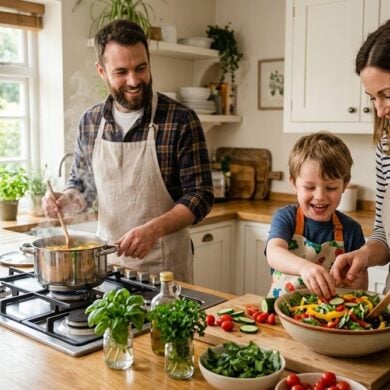
Browsing through modern food culture often feels like an inspiring tour of vibrant international kitchens. From sizzling street-side flatbreads to glossy noodle glazes and comforting stews, creative home cooks constantly share their culinary heritage with the world. Seeing these enticing dishes makes it tempting to jump right in and recreate them in your own kitchen.
At the same time, it is easy to feel intimidated when a viral recipe appears to require specialized appliances or hard-to-source gadgets. Many cooks assume that without a commercial tandoor, a specialized tortilla press, or a high-powered burner, authentic flavors remain out of reach. In reality, great cooking relies far more on understanding fundamental techniques than on collecting single-purpose machinery.
When you want to stay connected to broad cultural movements and see what home cooks are sharing across continents, international lifestyle platforms such as bajiroo.com regularly highlight inspiring stories and viral trends that celebrate everyday human ingenuity. Bringing those exciting ideas into your home does not require turning your kitchen into an equipment warehouse. With a handful of adaptable tools, reliable heat, and an open mind, you can master trending international techniques on a standard stove.
Understanding the Principles Behind Popular Food Trends
Most viral food trends gain popularity for a straightforward reason: they deliver intense flavor, satisfying texture, or a clever shortcut to a traditional comfort dish. A trending recipe might showcase how high heat creates blistered surfaces, or how gentle steaming keeps dough tender and pillowy. Once you look past the rapid presentation and dramatic styling, you discover that almost every modern trend is grounded in time-tested culinary wisdom.
When you spot a new trend that catches your interest, start by identifying the core method at work. Ask yourself what transforms the raw ingredients into something memorable. Is it the rapid sear of a hot skillet, the slow extraction of aromatics in warm oil, or the acidic punch of an express pickle? Focusing on the underlying technique helps you understand what the dish actually requires to taste authentic.
By breaking a recipe down into its foundational actions, you remove the intimidation. You no longer need the exact brand of clay baker or ceramic grill seen in a video clip. Instead, you can look into your own cabinets and recognize which familiar skillet, baking sheet, or heavy Dutch oven can perform the exact same task with equal success.
Choosing Versatile Kitchen Workhorses Over Unitaskers
The housewares market frequently responds to culinary trends by promoting specialized novelty gadgets designed to execute just one specific dish. While a dedicated breakfast sandwich maker or an electric flatbread toaster might sound convenient, unitaskers quickly clutter your storage and rarely match the build quality of classic cookware. A thoughtful kitchen relies on a modest collection of durable, multi-functional tools that handle dozens of different regional cooking styles.
A heavy cast-iron skillet, for instance, serves as an exceptional substitute for a traditional round griddle or plancha. It retains heat evenly, develops blistered char on flatbreads, and sears proteins with restaurant-grade crust. Similarly, a stainless steel pot with a snug-fitting lid can handle everything from fragrant rice pilafs to slow-simmered braises, while a wide wooden rolling pin handles pasta, flatbreads, and pastry dough equally well.
Finding reliable kitchen equipment does not mean you have to overspend or chase expensive luxury labels. Smart cooks take time to research durable materials, solid construction, and fair values before buying. If you want to compare household goods and find practical consumer products without wasting your budget, online shopping resources like shaftdeals.com provide useful product information that helps you spend wisely on durable essentials.
Essential Foundations for Recreating Regional Dishes
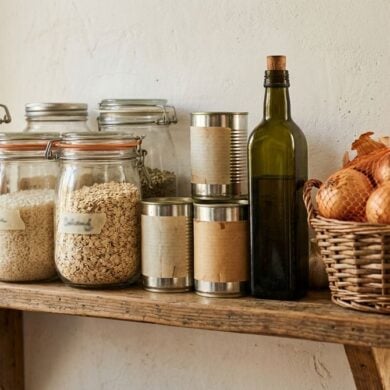
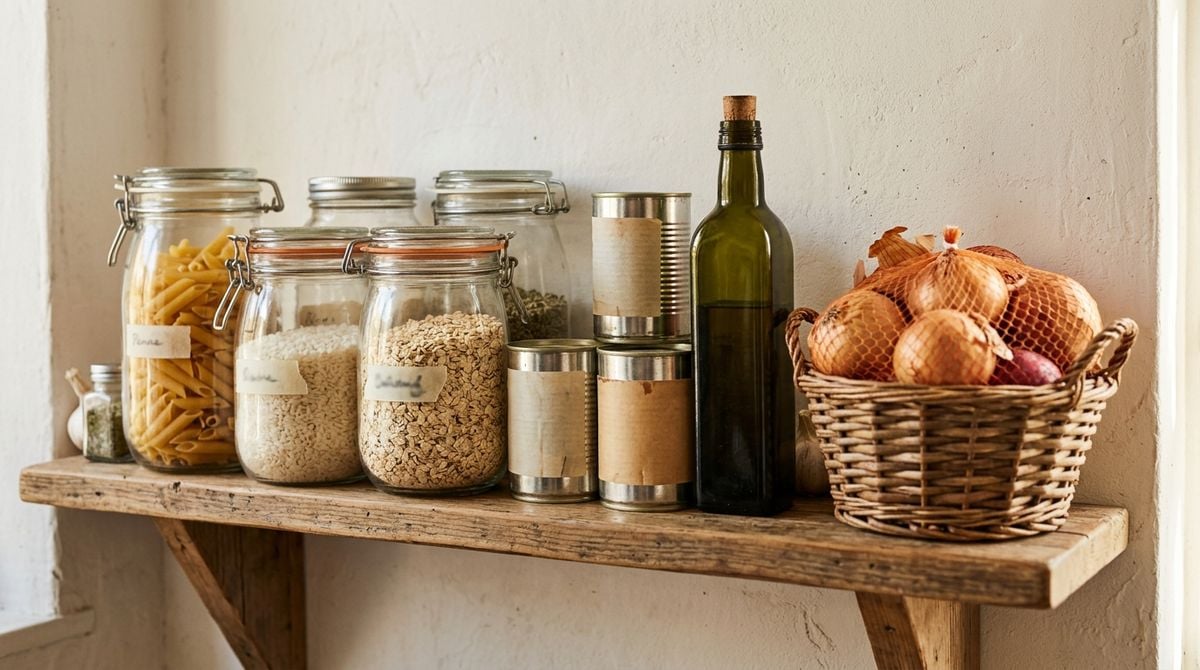
While specialized hardware is rarely mandatory, achieving deep, satisfying flavors does require the right aromatic building blocks. Keeping a small, rotating selection of versatile pantry staples allows you to pivot between diverse culinary traditions without buying dozens of obscure ingredients for a single meal. Having a few dependable elements within reach ensures that you can season vegetables, noodles, and grains with layered complexity.
Consider keeping a small assortment of adaptable flavor boosters on hand:
- Whole spices like cumin seeds, coriander, and black peppercorns that release fresh oils when gently toasted in a dry pan
- Fermented pastes such as miso, chili paste, or tomato paste to introduce instant savory depth to sauces and broths
- A balance of natural acids, including rice vinegar, apple cider vinegar, and fresh citrus for brightening rich dishes
- Aromatics like fresh garlic, ginger, scallions, and shallots that form the flavor base for countless stir-fries and stews
With these elements in your pantry, you can readily craft everything from fragrant curries to tangy dipping sauces. You can easily adapt a trending street food concept using whatever seasonal vegetables or proteins you already have on hand, keeping home cooking fresh, economical, and spontaneous.
Practical Adaptations for Common Cooking Techniques
Recreating regional methods at home usually requires only slight modifications to common kitchen setups. For example, if a trending recipe highlights charcoal grilling or open-fire baking, you can achieve remarkable results using a standard oven broiler or a preheated cast-iron pan. Placing your cookware close to the heating element replicates the intense radiant heat needed for blistering peppers or giving flatbreads their signature charred spots.


Similarly, gentle steaming can be accomplished without multi-tiered bamboo baskets. A regular stainless steel colander or metal steamer basket suspended over shallow simmering water in a covered pot works wonderfully for dumplings, buns, and tender greens. Covering the pot lid with a clean kitchen towel prevents condensation from dripping back onto your food, ensuring a soft, clean texture.
When a recipe calls for deep mortar-and-pestle grinding to create fragrant pastes, you can use a small food processor, an immersion blender, or even the side of a heavy chef knife on a sturdy wooden cutting board. Mashing garlic, ginger, and coarse salt against the board creates a smooth aromatic paste in moments, releasing natural juices without specialized stone tools.
Organizing Your Cooking Routine for Smooth Results
The secret to effortless cooking often comes down to timing and preparation rather than culinary wizardry. Many trending dishes feature rapid, high-heat cooking steps where things move quickly. Attempting to chop garlic, measure liquids, and slice herbs while a pan is already smoking is a surefire path toward burned ingredients and unnecessary kitchen stress.
Practicing basic preparation—having all vegetables diced, sauces whisked, and garnishes arranged in small bowls before turning on the burner—transforms your kitchen experience. Everything flows smoothly, allowing you to focus entirely on temperature control, aroma, and color development as the dish comes together in the pan.
Prep work can also be distributed across your weekly routine to save energy on busy evenings. If your regular routine is frequently interrupted by home maintenance or unexpected morning rush, adopting our batch cooking plans for busy mornings offers a practical strategy for keeping foundational sauces, braised meats, and cooked grains ready ahead of time.
Cooking through global food trends should be an enjoyable exploration rather than a stressful performance. Every culture has built its culinary legacy on resourcefulness, adapting classic techniques to local fires and seasonal crops. By focusing on fundamental skills, smart pantry choices, and steady preparation, you can capture the spirit of any culinary trend right at your own dining table.