Rice, pasta, and eggs are among the most affordable and useful foods you can keep at home, yet many new cooks struggle with them. Rice turns gummy or stays hard, pasta clumps together or overcooks, and eggs crack, stick to the pan, or turn rubbery. These problems are common and easy to fix once you understand the basic method. This article explains how to handle each staple with confidence, so that you can cook a filling meal on a tired evening without stress, and so that you know what to adjust when something goes wrong.
Rice that is fluffy, not sticky
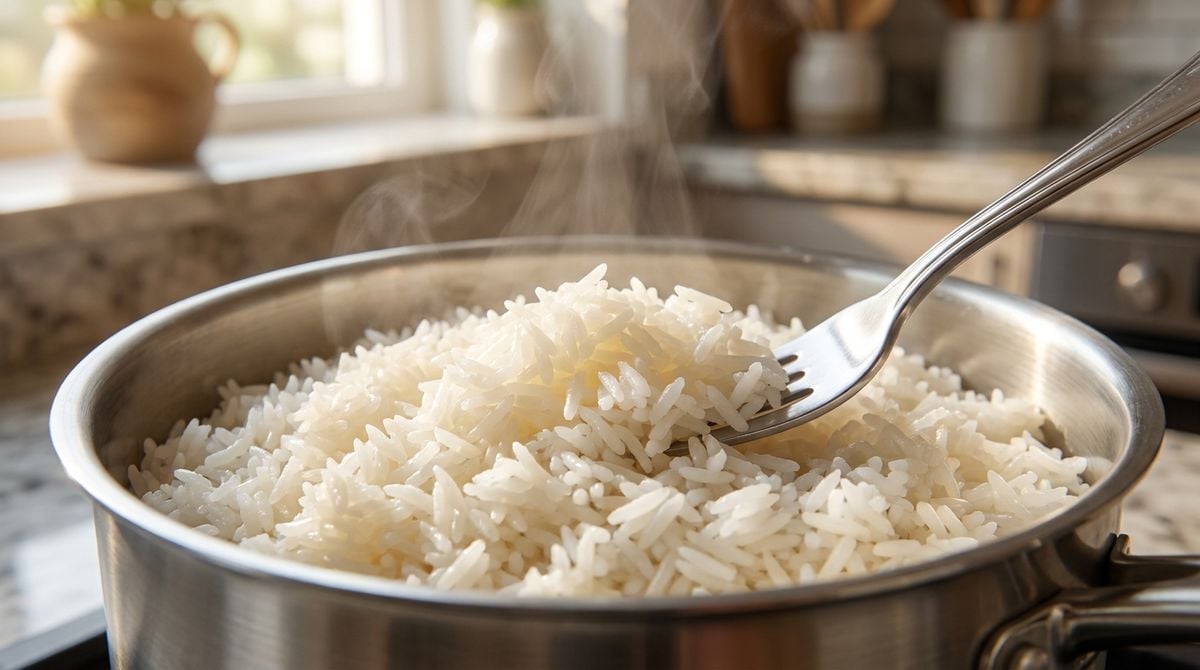
Rinse rice in cold water until the water runs mostly clear. This removes surface starch that makes grains clump together. Measure the water carefully, since too much produces mush and too little leaves the grains hard in the middle. Bring the pot to a boil, reduce the heat to low, cover it tightly, and leave it alone. Resist the urge to lift the lid, because the escaping steam is what cooks the grains evenly. After a short rest off the heat, fluff the rice gently with a fork rather than stirring it with a spoon. Readers may also want to visit hotklix.com.
Pasta cooked to the right texture
Use a large pot with plenty of water, and add salt once the water boils. A roomy pot prevents clumping because the pasta can move freely. Stir during the first minute, then start tasting a piece a minute or two before the packet’s suggested time. The centre should have a slight firmness, often called al dente, because pasta continues to soften once it is drained and mixed with sauce. Reserve a cup of the cooking water before you drain, since a little of it helps the sauce cling to the pasta and makes a simple dish feel more finished.
Eggs without cracks or rubbery texture
Simmer eggs gently rather than boiling them hard, because a hard boil can make the whites tough and the yolks grey. Lower them into the water with a spoon to reduce cracking. Once they are cooked, move them to cold water so the shells peel more easily. For scrambled eggs, cook over low heat and stir slowly, removing the pan before they look fully set, since they keep cooking on the warm pan. Fried eggs benefit from a lid that traps steam over the top, which sets the white without overcooking the yolk. You can also visit Pudding Media for more reading.
Combine them into one dinner
These staples work well together. A rice bowl with a fried egg on top, a pasta dish tossed with vegetables and a splash of cooking water, or a simple omelette served with cooked rice on the side can feed you well on a busy evening. Keep a few sauces and seasonings in your cupboard so that the meals never taste flat. Soy sauce, lemon juice, dried herbs, and chilli flakes can transform plain ingredients into something you look forward to eating. Once you are comfortable with the basics, you can add vegetables or a little cheese to make each meal more complete. For a related read on this site, see Building an Inspiring Daily Routine in Your Home.
A quick troubleshooting list
Problems are a normal part of learning, so keep a short list of fixes you can check quickly. When a staple goes wrong, start with these points:
- Rice is sticky: rinse it more thoroughly and use a little less water next time
- Rice is hard: add a splash of water, cover it, and let it rest for a few minutes
- Pasta is mushy: start tasting earlier and drain it sooner
- Eggs crack in the pan: lower them more gently and use a spoon to guide them
- Scrambled eggs are dry: cook more slowly and remove the pan while they still look soft

Write down what you changed each time. Over several weeks, those notes become a personal guide that is more useful than any general rule you could read.
If you cook on an unfamiliar cooker, make a small test batch of rice before you cook for a group. Power, pot size, and the fit of the lid all change the result. Adjust one variable at a time, so you can see clearly what made the difference. Patterns appear quickly, and your notes will show you which adjustment works for your own stove and pans.
Rice, pasta, and eggs reward patience more than complicated technique. Practise one staple each week, take notes on what worked, and adjust the timing next time. Once these basics feel calm, you will have a reliable set of meals that works on busy evenings, tight budgets, and quiet weekends alike, and your confidence in the kitchen will grow with every simple dish.