Coming home after a long trip often means opening a fridge that has been silent for weeks. Some items may have spoiled, others may look fine but have passed their best, and the pantry may hold half-used packets that were forgotten before you left. A calm clear-out is a practical way to protect your health, reduce waste, and make the kitchen feel ready for everyday cooking again. This article offers general food handling ideas. If you are ever unsure whether something is safe to eat, it is wiser to discard it than to take a risk.
Why the kitchen needs a reset
Food does not stop changing when the household leaves. Refrigerated items may warm up if the power dipped, dry goods may attract insects through gaps in packaging, and fresh produce can soften or collapse. Even sealed items can develop odours or texture changes over time. Walking into a kitchen with a plan prevents the common mistake of simply putting everything back where it was, without checking dates or condition.
Readers may also want to visit Erome. Reading these guides before you start can help you feel more confident about your decisions.
Work in a clear order
Start with the fridge, because it holds the items most likely to be unsafe. Remove everything, wipe the shelves with warm soapy water, and rinse them with clean water. Then check each item one at a time. Look at the use-by and best-before dates, and smell or look at anything that seems doubtful. Put aside anything that is clearly spoiled, mouldy, or past its safe date.
Move on to the freezer next, although it may still be cold and safe. Check for freezer burn, ice crystals, and packaging that has torn or loosened. Frozen food kept in a stable freezer can often remain safe for longer than the fridge, but quality may still decline, so be honest about what you actually want to eat.
A simple sorting checklist
Use a consistent checklist so that the clear-out is quick and careful. The steps below work well for most kitchens and can be done in one session.
1. Check every fridge item for dates, odours, and visible spoilage before anything goes back.
2. Discard fresh produce that is soft, slimy, or showing mould, and compost where it is appropriate.
3. Review the freezer for torn packaging, freezer burn, and items you no longer want to eat.
4. Look at pantry packets, tins, and jars for swelling, leaks, dents on the rim, or insect activity.
5. Group the remaining items together so that older food is used first in the coming week.
You can also visit filmepenet.org for more reading. These can explain which items keep well in a cupboard, which need cool storage, and how to store leftovers so they stay fresh longer.


Deciding what to keep and what to use first
Once you know what is safe, decide what to cook first. Items that are close to their use-by date should be used early, while long-life items can wait. A simple way to plan is to pick two or three meals that use the most perishable foods, then build the rest of the week around them. This reduces the pile of half-finished ingredients that often appears after a holiday.
For items you are unsure about, ask whether you would happily eat them if they were fresh. If the answer is no, let them go. A kitchen that holds only foods you enjoy is easier to manage and less likely to attract waste.
Cleaning the pantry without a rush
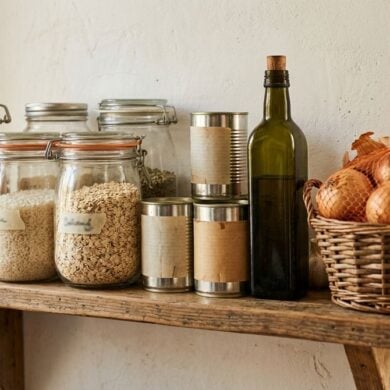
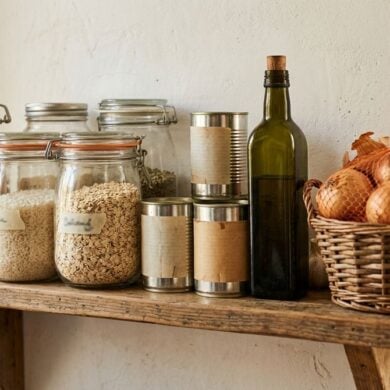
Empty one shelf at a time, rather than emptying the whole cupboard onto the worktop. Wipe the shelf, check for crumbs and sticky patches, and return items in a logical order. Keep open packets in sealed containers, and label them with the date you opened them. Tins and jars with rust, bulging lids, or leaks should be discarded, because they may be unsafe.
Take this chance to see what you have too much of. Many households discover several open bags of the same grain or duplicate tins hidden at the back. Noting these items on a list makes the next shopping trip more focused. For a related read on this site, see Food Safety Basics for Club Bake Sales.
Mistakes to avoid
One common mistake is to taste questionable food to decide whether it is still safe. Smell and appearance are useful, but tasting is not a reliable test for spoilage. Another mistake is to store cooked leftovers in a warm place while you sort the fridge, which allows bacteria to multiply. A third is to forget the bin and compost bin, leaving discarded items on the worktop for hours. Finally, avoid clearing the kitchen while exhausted from travel. Breaking the task into short sessions often produces better decisions.
A thorough fridge and pantry clear-out is one of the kindest things you can do for yourself after a long trip. It removes risk, clears space, and gives you a clear picture of what is available for the coming days. With a steady routine and a little patience, the kitchen can feel welcoming again within a single afternoon.