Cooking together is one of the richest ways for children to learn about family history, language, and everyday skills. When grandparents live in another city or country, that shared kitchen time can feel out of reach. Yet a child can still learn to cook alongside a grandparent through video calls, recorded lessons, and carefully chosen recipes. This article explains how to plan these lessons so that children stay safe, enjoy the process, and build confidence over time. It offers general guidance and does not replace supervision by a responsible adult.
Start with simple, safe tasks
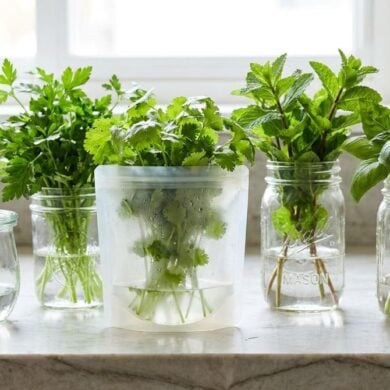
Young children are capable of more than many adults expect, but they need clear boundaries. Begin with tasks such as washing vegetables, tearing herbs, stirring a bowl, or measuring dry ingredients. Knife work and hot cooking should wait until a child has shown steady concentration and the adult in the room is ready to supervise closely. Agree these rules with the grandparent before the first lesson, so that both adults give the same guidance.
Choose recipes that have only a few steps and a forgiving outcome. A simple flatbread, a fruit salad, or a basic soup gives the child a sense of achievement without overwhelming them. Success early on builds the motivation to try more complex dishes later.
Set up the kitchen for a call
Preparing the space makes a big difference. Place the tablet or phone on a stable stand, angled so the grandparent can see the child’s hands and the ingredients. Lay out the equipment before the call begins, including measuring spoons, bowls, and a clean cloth. Ask a parent to be present in the kitchen throughout, since safety always comes first. If the parent must leave the room for a moment, pause the lesson rather than continuing without an adult nearby.
Keep the lesson short, perhaps no longer than the child’s attention span allows. A focused short session of cooking can be more valuable than a long one full of distraction.
- Agree on which tasks the child may do alone.
- Wash hands before the lesson begins.
- Keep hot surfaces and sharp tools out of reach.
- Lay out all ingredients before the call starts.
- Finish by cleaning the workspace together.
Use language as a bridge
Cooking lessons across distance can also become language lessons. A grandparent may teach words for ingredients, actions, and measures in their own language. Ask the child to repeat each word, and reward the effort rather than perfect pronunciation. Readers may also want to visit casetify.
Stories help too. A grandparent may describe where a dish comes from, who taught them to cook it, and what it was like to eat it as a child. These stories often stay in a child’s memory longer than the recipe itself.
Record and repeat the lessons
Children love to repeat what they enjoy. Ask the parent to record the session, with everyone’s permission, so the child can watch it again and practice at home. A written card with the steps in simple language is also useful. Over time, the child can prepare the dish alone and call the grandparent to report the result, which makes the grandparent a proud audience.


Respect privacy when recording. Share the recording only with family members, and check the platform’s rules before posting anything publicly. Recordings can also be stored in a shared folder, where the child can find them easily.
Celebrate mistakes as learning
Burnt pancakes and uneven slices are part of learning to cook. Give the child a chance to try the same step again the following week, so the lesson feels like a journey rather than a single test. Respond to mistakes with curiosity rather than criticism. Ask the child what they noticed, what they would change next time, and what the grandparent would suggest. This approach builds problem-solving skills and keeps the child eager to try again. You can also visit news4public.com for more reading.
Make the bond last beyond the call
Plan small rituals that connect the cooking to the relationship. The child might send a photograph of each finished dish, or the grandparent might send a voice message describing a favorite memory linked to the recipe. A shared recipe book, started with a few pages in each household, becomes a keepsake over the years. For a related read on this site, see Planning a Holiday Meal Shared by Relatives in.
Teaching a child to cook with a grandparent who lives far away is an investment in both skill and belonging. Each lesson gives the child a practical ability, a new word, and a link to a relative they may not see often. With careful planning, a little patience, and plenty of warmth, the kitchen can connect generations across any distance.