On busy weeknights, the question of what to cook can arrive before anyone has thought about it. A well-stocked pantry removes much of that stress, because simple meals can be assembled from items that keep for weeks. This article explains which pantry staples are most useful, how to organize them for quick access, how to rotate stock so nothing expires, and what mistakes to avoid when shopping for a busy week.
Choose Versatile Staples
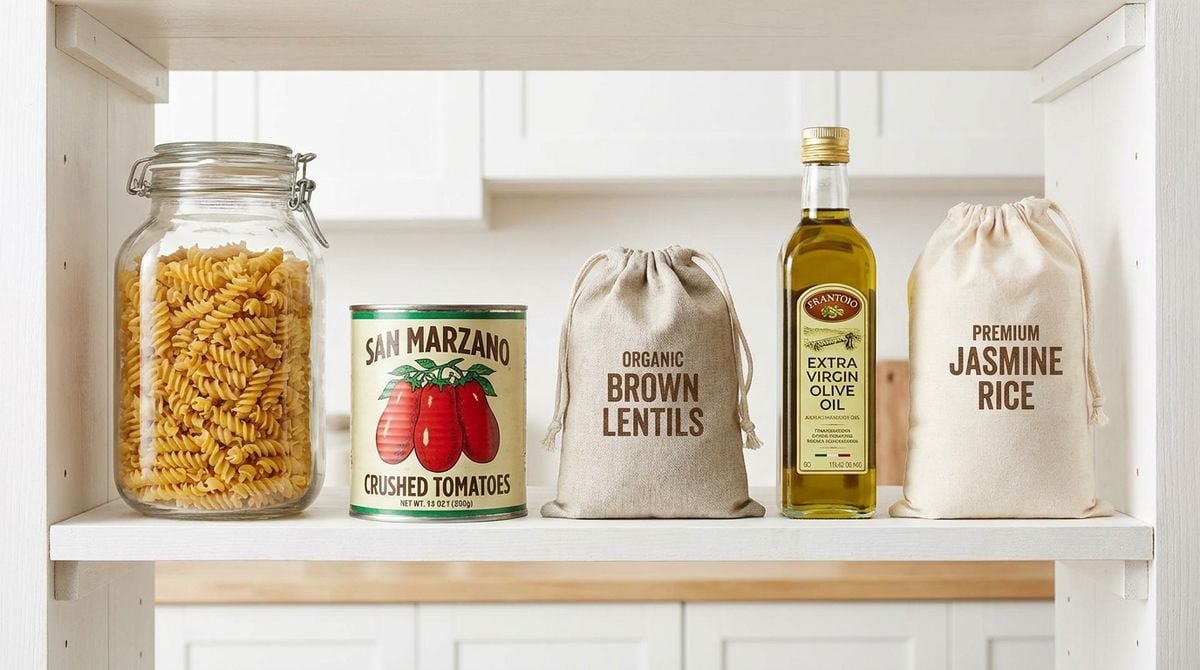
The most useful pantry items are those that work in many meals. Dried pasta, rice, lentils, canned beans, canned tomatoes, and rolled oats can form the base of dozens of dinners. Add a few flavor builders such as garlic, onions, dried herbs, stock cubes, and spices you already enjoy. Shelf-stable items like nut butter or olive oil can also help. Start with a small list rather than trying to buy everything at once, because a focused pantry is easier to manage than a crowded one. Keep a few cans of fish or vegetables as well, since they stretch a meal and last for a long time.
Readers may also want to visit patbigoldmedia.org. Choose staples that match the meals your household already enjoys, rather than ingredients that look impressive but sit unused on the shelf.
Organize for Fast Access
Store items where you can see them. Group pasta and grains together, keep canned goods in one row, and place spices on a small tray for easy reach. Put newer items at the back and older ones at the front, so the oldest stock is used first. Clear containers make it easier to see what is running low. A simple shopping note on the fridge or in a phone app helps you restock before you run out. Place a small notepad near the pantry door so anyone in the household can add items as they notice them.
- Keep a list of pantry items and update it weekly.
- Store grains in airtight containers to protect them from pests and moisture.
- Check the best-before dates when you put groceries away.
- Keep one or two emergency meals that need only a single pan.
You can also visit news-takeuchi.com for more reading. Following those simple rules prevents waste and keeps flavors fresh. A little attention at the time of shopping saves a great deal of confusion later.
Build Simple Meal Patterns
Rather than memorizing recipes, think in patterns. A pattern might be a grain, a bean or lentil, a tin of tomatoes, and a green vegetable. Cook the grain, simmer the beans with tomatoes and spices, then add a handful of greens at the end. Another pattern is pasta with olive oil, garlic, and whatever vegetables are fresh. Patterns make dinners quicker to plan, because the structure is already known and only the flavors change. A pattern also makes it easier to use leftovers, since a cooked grain or bean can slot into the next day’s plan without extra thought.
Keep a short list of your favorite patterns on the fridge. When the week feels full, you can choose one quickly without searching through cookbooks. Over time the list grows naturally as you discover what your household enjoys.


Mistakes to Avoid When Shopping
A common mistake is buying large quantities of items that will never be used before they expire. Another is shopping without a list, which often leads to impulse purchases that crowd the cupboard. Some people also forget to check what they already have, resulting in duplicate jars and tins. Finally, avoid stocking only foods that require long preparation. A pantry should support quick meals on the days when energy is low. Be wary of buying items only because they are on sale if you have no plan for them, since a discount does not help when the food is never eaten.
For a related read on this site, see Quick Breakfasts That Keep You Full Until Lunch. Use it to avoid duplicates and to spot the staples that are running low.
Rotate Stock and Stay Flexible
Check the pantry once a month, move older items forward, and donate anything unopened that you know you will not use. Keep a few flexible ingredients that work in many dishes, so that a missing item does not derail the whole dinner. Pantry cooking is less about perfect recipes and more about being prepared. This article offers general guidance about food storage and meal planning. It does not replace advice from a qualified professional when a specific diet is needed. Keep a small list of two or three quick meals that use only pantry staples, and check it whenever the week becomes unexpectedly busy.