Carrots, potatoes, parsnips, and onions are among the most useful foods in a cold-weather kitchen. They are affordable, filling, and versatile, and many of them can last for months when stored properly. Yet most households lose a fair share of their root vegetables to rot, sprouting, or shrivelling. This guide explains why storage goes wrong and how to set up a simple system that keeps vegetables sound until spring. The methods here work in an ordinary house, not only in a cellar or a garden shed.
Why vegetables spoil in winter homes
Root vegetables are alive in a quiet way, and they continue to respond to their surroundings after harvest or purchase. Warmth encourages sprouting, while dry air makes them shrivel. Moisture invites mould and soft patches. Sealing vegetables in plastic while they are still damp can encourage rot, so let them dry briefly before storing. Light can turn potatoes green and bitter. Keeping them covered in a dark box also protects them each time the kitchen light is switched on. Many winter homes are warm near the radiator and damp in the kitchen corner, which makes storage tricky. Understanding these forces helps you choose the right spot instead of guessing. The goal is a place that stays cool, dark, and steady, rather than one that is simply cold. A spot that changes temperature sharply from day to night is often harder to manage than one that stays consistently mild.
Choosing the right spot
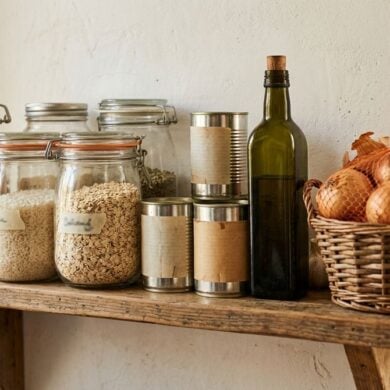
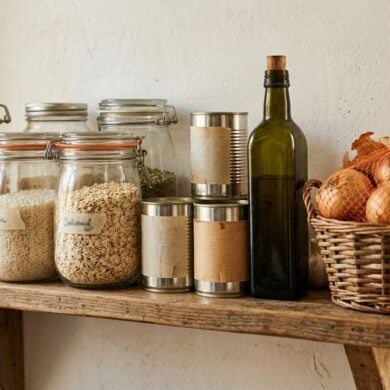
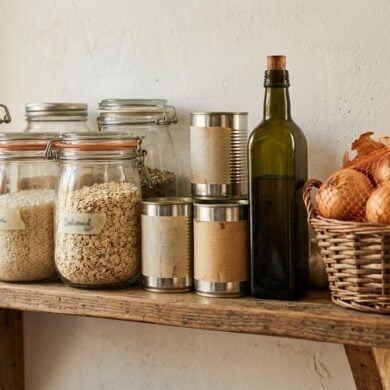
The best storage area is often an unheated room, a hallway cupboard away from pipes, or a box placed inside a larger cupboard on an outside wall. Avoid spots near the cooker, the boiler, or a sunny window. A cupboard beside an outside wall can be a surprisingly good choice in a cold season, provided it does not freeze. Potatoes do well in a dark container with a little ventilation, such as a paper sack or a basket with a cloth over it. Carrots and parsnips stay crisp when kept in a sealed bag in the fridge, or in damp sand if you have room for a box. Onions prefer dry, airy conditions and should be kept apart from potatoes, because the gases they release can cause the potatoes to sprout faster. Many people find that a small wooden crate on a shelf works well for all of them. Label the crate with the date you stored it, so you can see at a glance which batch needs using first.
Checking and sorting
Readers may also want to visit Bitmoji. Regular checks make the biggest difference. Once a week, lift the lid, look at each item, and remove anything soft, wrinkled, or smelling sour. One bad potato can spread rot to its neighbours within days, so remove it promptly. A quick look each week takes far less time than sorting through a whole box of spoiled produce later. Use the best items first and keep the firmest ones for the longest storage. Keep a small note on your phone if you tend to forget when items arrived. Wipe off damp soil before storing, but do not wash the vegetables, because moisture on the skin shortens their life. A clear routine turns storage from a gamble into a simple habit.
Simple mistakes to avoid
- Storing potatoes in the fridge, which can change their taste
- Keeping vegetables in plastic bags with no air flow
- Placing onions beside potatoes in the same tight box
- Leaving damaged items mixed in with sound ones
Another common error is buying a large quantity without a plan. Root vegetables are inexpensive, but they still cost money when they go into the bin. You can also visit blogcabinca for more reading. Buy an amount you can use within a few weeks, and top up as needed. This keeps the stock fresh and reduces the temptation to stretch an aging supply past its best.


Using the last of the winter stock
As spring approaches, vegetables that have softened or sprouted can still be useful. Cut away small soft patches and use the rest in soups, stews, or mashed dishes, where texture matters less. Sprouted potatoes should have the sprouts removed, and any green areas should be cut away deeply. If a vegetable is clearly rotten, leave it out entirely. Turning slightly tired produce into a warming dish is a good way to make the most of the season. Roasting or mashing vegetables that have softened a little often brings back their flavour. For a related read on this site, see Foolproof Quick Breads and Muffins: Mixing Secrets for.
Good storage is a quiet skill. It asks for a few minutes each week and a sensible corner of the home, but the reward is a steady supply of nourishing food through the coldest months. Set up the system once, check it regularly, and the root vegetables will repay the effort with good meals and less waste. This practical approach also means fewer last-minute trips to the shop on icy mornings.