A dependable sauce can make weeknight cooking feel less like starting from zero. The goal is not to prepare a complicated restaurant-style component, but to create a flexible mixture that brings moisture, seasoning, and contrast to several simple foods. One batch might dress roasted vegetables on Monday, coat noodles on Tuesday, and brighten a grain bowl later in the week. That continuity saves thought without making every dinner taste identical.
Start with a balanced base
Think in broad flavor roles rather than rigid recipes. A useful sauce usually needs richness, acidity, seasoning, and enough liquid to make it easy to spoon or toss. Richness might come from yogurt, blended beans, seed butter, olive oil, or a soft vegetable. Acidity could be citrus juice or a mild vinegar. Aromatic ingredients and herbs give character, while water can adjust texture without adding more intensity.
Taste after combining the main ingredients, then change only one thing at a time. If the mixture seems heavy, add a small amount of acidity. If it tastes sharp, a richer ingredient may soften it. If every flavor seems muted, check the salt before adding more spices. This measured approach is more reliable than throwing several corrections into the bowl at once.
Readers may also want to visit specialedoptions.com. Use those ideas as a framework, not as a demand to buy a long list of special items.
Choose meals with different textures
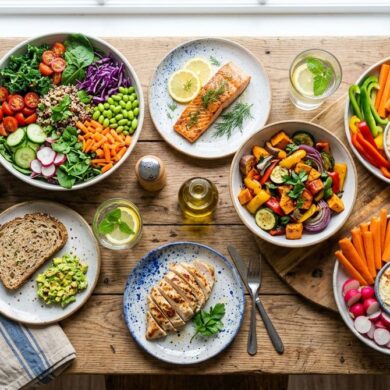
Using the same sauce successfully depends on changing what sits underneath it. Soft noodles, crisp vegetables, chewy grains, toasted bread, and tender proteins create distinct experiences even when the finishing flavor is familiar. Temperature matters too. A cool herb sauce feels different over hot roasted vegetables than it does in a chilled lunch bowl.
Plan a few pairings before making the batch:
- Spoon it over roasted vegetables and a cooked grain.
- Thin it slightly for noodles or a substantial salad.
- Spread it on flatbread with crisp raw vegetables.
- Serve it as a dip beside patties, eggs, or baked wedges.
These are starting points rather than a fixed menu. If a sauce is too thick for one use, thin only the portion you need. Keeping the main batch concentrated preserves more options.
Store it with the next meal in mind
Cool any cooked ingredients before mixing and refrigerating the sauce. Use a clean container with a lid, label it with the preparation date, and return it to the refrigerator promptly after serving. Ingredients differ in how long they keep, so base your storage window on the most perishable component. If appearance, aroma, or texture changes unexpectedly, discard it rather than relying on a taste test.
You can also visit Exxointerior.com for more reading. General meal-planning convenience should never override appropriate storage practices.


Consider dividing the sauce into two small containers. The first can stay ready for immediate meals, while the second remains untouched until later. This limits repeated warming and handling. It also makes it easier to season one portion differently, perhaps with extra herbs for a salad or a little warm spice for roasted food.
Refresh rather than repeat
Small finishing changes keep the sauce from becoming monotonous. Add chopped herbs just before serving, scatter toasted seeds over one meal, or pair the sauce with a sharper pickle another night. Avoid changing the whole batch unless you are certain about the result. Adjusting at the plate preserves flexibility for everyone at the table.
For a related read on this site, see How to Master High-Heat Cooking Indoors Without Smoke. Record the base, the adjustment, and what it accompanied. After a few weeks, you will have a useful rotation that reflects real evenings rather than an idealized meal plan.
The best versatile sauce is not the most elaborate one. It is the one you can make calmly, store appropriately, and use in meals with enough variety that nobody feels they are eating leftovers in disguise.
When choosing the next batch, review what remained rather than automatically making the same quantity. A sauce that was finished early may deserve a slightly larger batch, while one that lingered should be reduced. Notice whether its thickness changed in storage and whether certain fresh ingredients faded. These observations help you decide what to mix into the base and what to save for serving. They also prevent a useful shortcut from becoming routine waste. Over time, the goal is a modest, familiar process: one bowl, a balanced taste, safe storage, and several meals that still have their own character.